





The Old Protein Playbook
For decades, the quality of a protein source was mainly judged using a system called the Protein Digestibility-Corrected Amino Acid Score, or PDCAAS. This method, adopted in 1993, measures protein quality by comparing a food's essential amino acid profile
to a reference standard and then adjusting for its digestibility. It was a big step forward at the time, but it had a significant flaw: its scores were capped. A protein source could score a maximum of 1.0, meaning any quality difference between high-performing proteins was invisible. For example, top-tier animal proteins like whey and high-quality plant proteins like soy isolate might both score close to 1.0, making them seem nutritionally equivalent when they aren't. This system also relied on measuring digestibility in a way that wasn't fully representative of human absorption, which set the stage for a new approach.
A More Accurate Way to Score
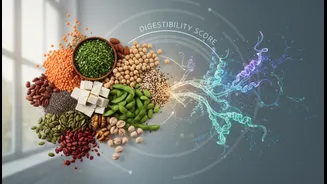
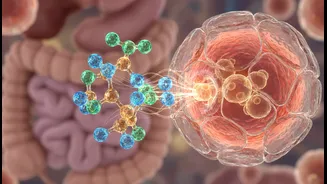
Enter the Digestible Indispensable Amino Acid Score (DIAAS). Recommended by the UN's Food and Agriculture Organization to replace the older system, DIAAS offers a more precise picture of protein quality. Instead of measuring overall protein digestibility, it measures the absorption of each individual essential amino acid at the end of the small intestine—a much more accurate reflection of what the body can actually use. Crucially, DIAAS scores are not capped, allowing for a clearer distinction between good and excellent protein sources. This new math reveals that while many whole plant proteins have lower digestibility (around 75-80%) compared to animal proteins (90-95%), the gap can be narrowed significantly. High-quality plant protein isolates, for instance, can achieve absorption rates over 90%, rivaling their animal-based counterparts.
Why Absorption Is Everything
The ultimate goal of eating protein is to break it down into amino acids, which serve as the building blocks for everything from muscle tissue to enzymes. Your body needs nine 'essential' amino acids from food because it cannot produce them on its own. The rate and efficiency at which your body absorbs these amino acids from the gut into the bloodstream determines the food's anabolic potential—its ability to stimulate muscle protein synthesis. Studies show that animal proteins often deliver a higher concentration of essential amino acids into the bloodstream compared to an equivalent serving of many plant proteins like beans or almonds. This is partly due to 'anti-nutrients' like phytates and tannins in whole plant foods, which can slightly hinder protein digestion.
Putting the New Math into Practice
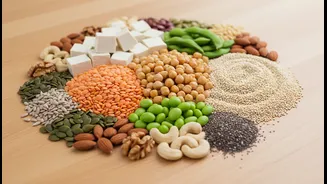
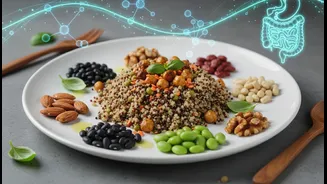
This updated understanding doesn't mean plant-based diets are inadequate for building strength. In fact, it empowers users with better strategies. The idea that most plant proteins are 'incomplete' is largely a myth; all plants contain all nine essential amino acids. The key is the proportion of those amino acids. Some, like wheat or rice protein, might be lower in one specific amino acid, like lysine. The modern solution is simple: protein combining. By eating a varied plant-based diet—for example, pairing a grain (low in lysine) with a legume (high in lysine) over the course of a day—you can easily create a complete and highly usable amino acid profile. Furthermore, processing matters. Techniques like fermentation or creating protein isolates from peas or soy can improve their digestibility and bioavailability, making them highly effective.
Building Muscle with Plants
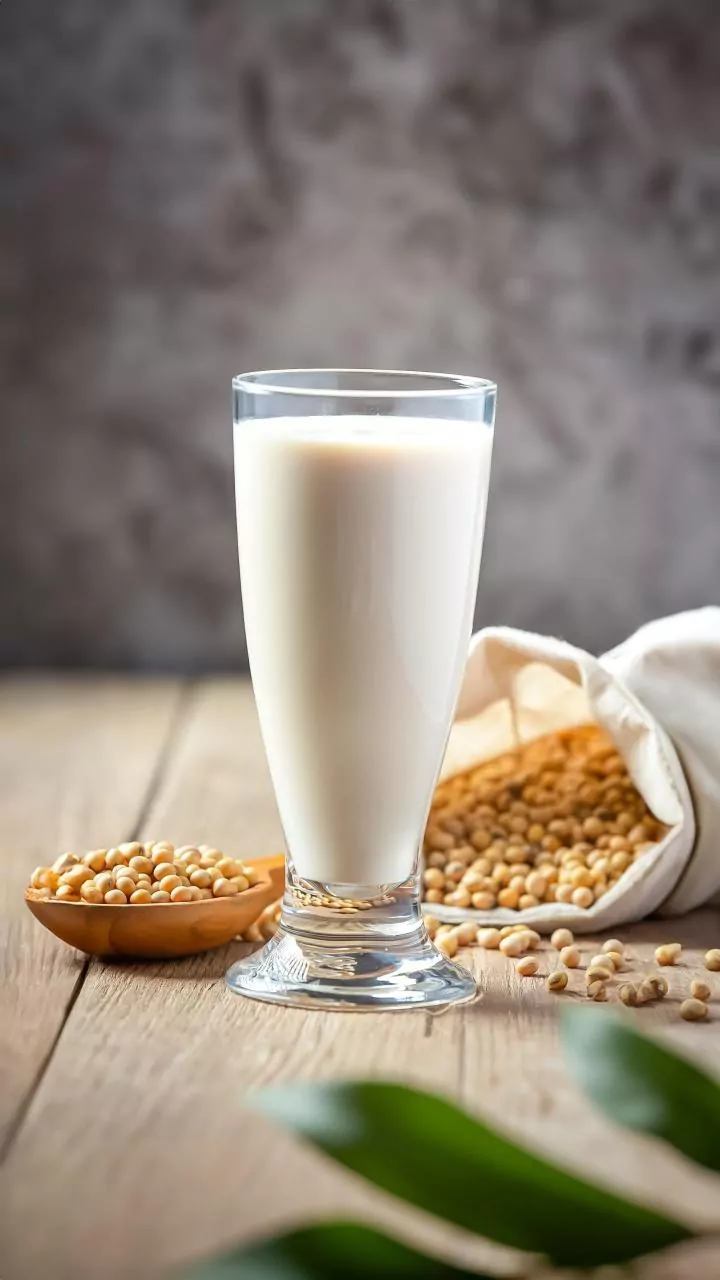
The science increasingly shows that with sufficient quantity and smart combinations, plant-based proteins can support muscle growth and strength just as effectively as animal proteins. While some reviews note that animal protein may offer a slight edge for gaining lean mass in younger adults, others find no significant difference in muscle strength or performance when total protein intake is high enough. Studies on soy protein, in particular, have shown it produces similar gains in muscle mass and strength when compared to animal sources. Even the slower absorption rate of some plant proteins isn't necessarily a disadvantage; it can lead to greater satiety and provide a more sustained release of amino acids to the muscles.