





The Green with a Tangy Identity
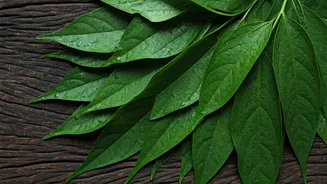
Gongura, also known as sorrel leaves or pulichakeerai in Tamil, refers to the edible leaves of the roselle plant (Hibiscus sabdariffa). Unlike spinach or fenugreek, its primary contribution is not bitterness or earthiness, but a distinct and powerful
sourness. This clean, sharp tang is what gives it its culinary superpower, allowing it to cut through richness and add a vibrant layer of flavour that is hard to replicate. There are two main varieties: one with green stems, which is milder, and another with red stems, which is known for being more intensely sour. The hotter the climate it's grown in, the more pronounced its sourness becomes. Culturally, this leaf is the heartbeat of Andhra and Telangana cuisine, so much so that it's affectionately called the 'Andhra Matha' (Mother Andhra) for its significance in the daily diet.
A Pickle That Defines a Cuisine
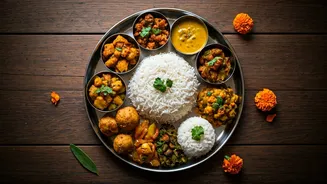
To truly understand gongura's importance, one must start with Gongura Pachadi. This fiery, tangy pickle or chutney is a quintessential part of an Andhra meal. The preparation involves cooking down the sour leaves until they wilt completely and then grinding them with a potent mixture of fried red chillies, garlic, and spices like mustard and fenugreek seeds. The resulting condiment is an explosion of flavour: intensely sour, spicy, and deeply savoury all at once. It's most classically enjoyed mixed into a mound of hot, steaming rice with a generous spoonful of ghee, a combination that many consider the ultimate comfort food. This pachadi isn't just a side dish; it's a cultural icon, a taste of home that is stocked in refrigerators across the region for instant satisfaction.
Beyond the Pachadi: A Versatile Star
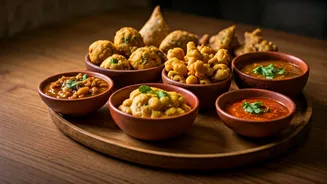
While the pickle may be its most famous form, gongura's culinary applications are vast. Its ability to balance fatty, rich flavours makes it a perfect partner for meats. Dishes like Gongura Mutton and Gongura Chicken are celebrated delicacies, where the sourness of the leaves tenderises the meat and creates a complex, mouth-watering gravy. The leaves are cooked into a paste and incorporated into the curry, infusing the entire dish with their signature tang. It also shines in simpler preparations. Gongura Pappu, a dal made with toor lentils, is another beloved staple where the leaves add a refreshing sourness to the earthy lentils. From flavouring rice dishes like pulihora to being paired with shrimp (Gongura Royyalu), this versatile green proves it can elevate almost any dish it touches.
More Than Just Taste
Beyond its powerful flavour, gongura is also a nutritional powerhouse. The leaves are a rich source of essential vitamins and minerals, including iron, vitamin C, vitamin A, and folic acid. This makes it particularly beneficial for boosting immunity and improving iron levels. The leaves are also packed with antioxidants and minerals like calcium, magnesium, and phosphorus, which are important for maintaining bone health. In traditional medicine, it has been used for a variety of purposes, from aiding digestion and cooling the body to its anti-inflammatory properties. Its high vitamin C content is one reason it's a popular green to consume even during monsoons when other leafy vegetables might be avoided.