


Decoding the SPEARS Initiative
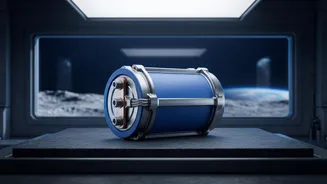
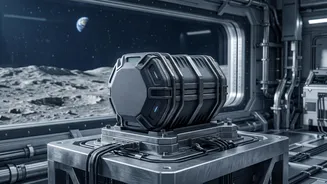
SPEARS stands for 'Solid Power for Extreme Environment Adaptability and Resilience in Space'. As the name suggests, this early-stage NASA project is focused on creating a new generation of batteries that can withstand the punishing conditions of space.
Led by NASA's Glenn Research Center, the initiative aims to move beyond the limitations of the traditional lithium-ion batteries we use in everything from smartphones to electric cars. The goal is not just to make a better battery, but to develop a technology that is fundamental for the long-term ambitions of the Artemis program, which seeks to establish a sustainable human footprint on the lunar surface. SPEARS is, in essence, the research and development effort to build the tough, reliable power storage needed for humanity's return to the Moon.
The Challenge of the Lunar Night
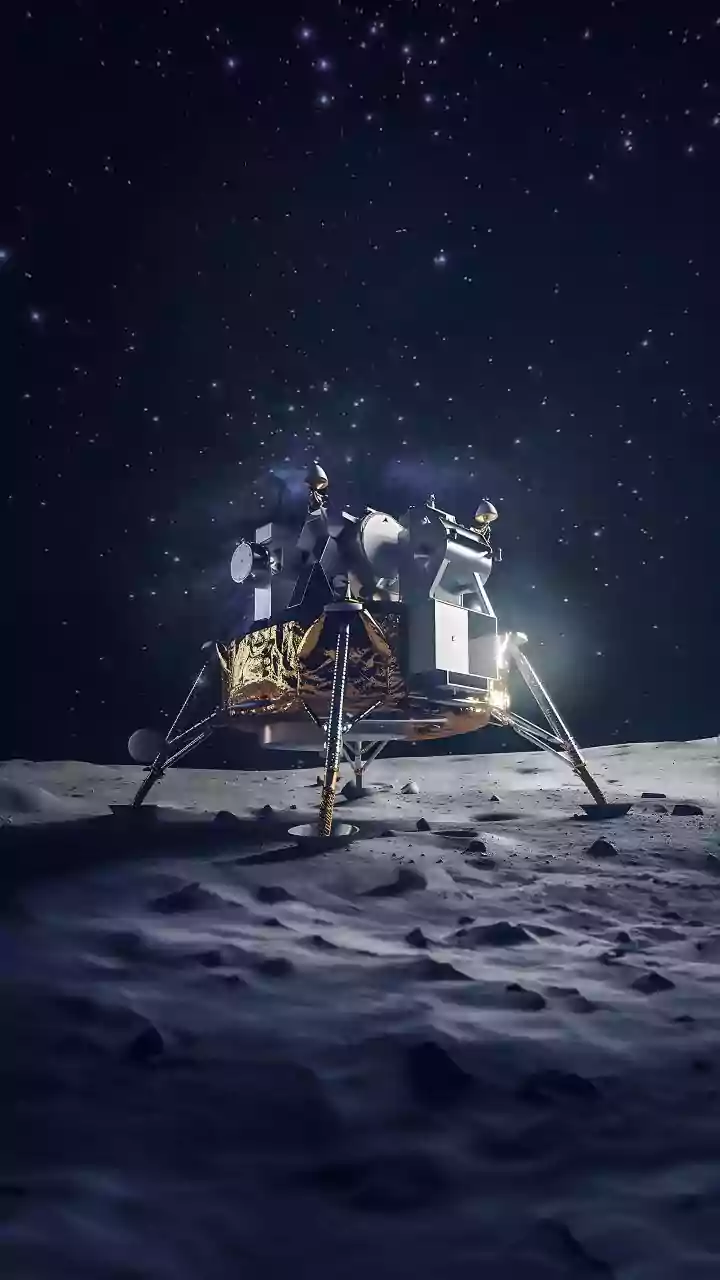
If you've ever had a car battery die on a frigid morning, you have a small sense of the problem NASA faces, but on a planetary scale. The Moon's South Pole, a key target for future Artemis missions, experiences extreme temperature swings. During its long day, temperatures can reach a boiling 100°C (212°F). But during the roughly 14-day lunar night, temperatures plummet to an astonishing -200°C (-328°F). Conventional batteries contain a liquid electrolyte, which acts as the medium for the chemical reactions that store and release energy. In the deep cold of the lunar night, this liquid would freeze solid, damaging the battery's internal structures and rendering it useless. Furthermore, the vacuum of space can cause these liquids to evaporate. This vulnerability makes standard batteries a non-starter for any equipment intended to operate for more than one lunar day.
A Solid-State Solution
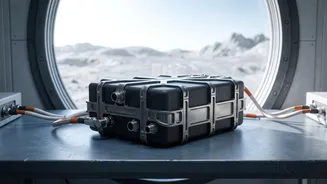
The innovation at the heart of the SPEARS project is the shift to solid-state technology. Instead of a liquid, these batteries use a solid material, such as a specialized ceramic or polymer, as the electrolyte. This simple change has profound implications. A solid electrolyte cannot freeze or evaporate, immediately solving the core problem of the lunar environment. While the batteries still operate best within a specific temperature range, recent tests have shown remarkable resilience. At NASA's Langley Research Center, prototype SPEARS cells survived exposure to temperatures from -170°C (-274°F) all the way up to 100°C (212°F) without being damaged. They have already proven operational down to -80°C (-112°F). This means that instead of needing a large, power-hungry heating system to keep them from being destroyed, they may only need a small heater to warm them up to operating temperature when needed, saving enormous amounts of energy.
Generation vs. Storage
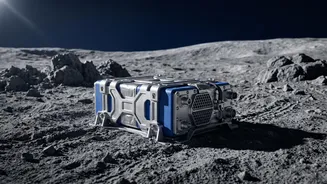
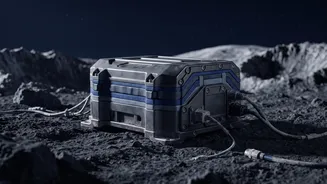
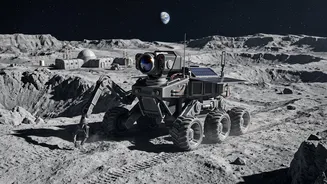
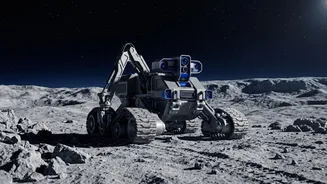
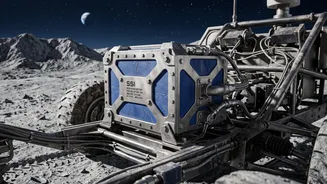
SPEARS batteries are a crucial piece of a much larger power puzzle. It's important to distinguish between energy storage (batteries) and power generation (the source of the electricity). While SPEARS focuses on storage, NASA and its partners are also developing Fission Surface Power (FSP) systems. These are small, scalable nuclear reactors designed to provide a steady, continuous supply of electricity, day or night. The two technologies are designed to work in tandem. A fission reactor could provide the baseline power for a lunar habitat and, crucially, act as a charging station for the SPEARS batteries. Astronauts could then use these robust batteries to power rovers for long-range exploration, operate scientific instruments in permanently shadowed craters, and run their life-support systems, untethered from a central power source.
Powering Future Exploration
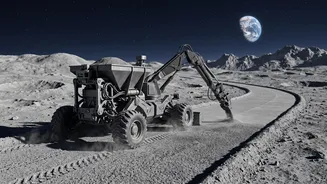
The success of the SPEARS project is a direct enabler of a new era of lunar exploration. With resilient power storage, missions are no longer limited by the sunrise. Rovers can travel farther and operate for longer, and vital life-support and communications equipment can remain active through the long night. This enhances astronaut safety and dramatically increases the potential for scientific discovery. By creating batteries that can survive the Moon's harshest conditions, NASA is laying the groundwork for the infrastructure needed for a permanent lunar base. While still in the early phases, the technology being developed under SPEARS could one day power not only lunar missions but also find applications back on Earth in electric vehicles and consumer electronics that need to perform in extreme environments.