



A Return to the Roots
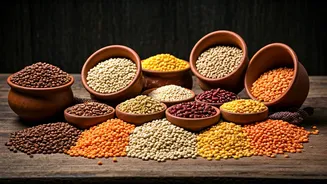
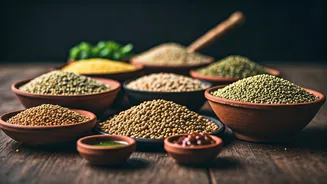
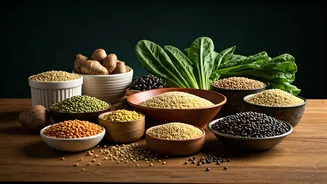
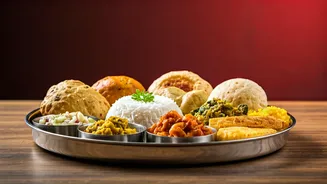
The new “fibre era” is less about invention and more about rediscovery. For centuries, Indian diets were incredibly diverse and packed with fibre from a wide range of sources. Grains like ragi (finger millet), jowar (sorghum), and bajra (pearl millet) were staples
long before polished white rice and refined wheat became dominant. These ancient grains, once dismissed as the food of the rural poor, are now being celebrated for their immense nutritional benefits. They are rich in both soluble and insoluble fibre, which aids digestion, helps manage blood sugar levels, and keeps you feeling full for longer. This shift represents a conscious return to traditional eating patterns that were naturally healthier and more sustainable.
The Mighty Millet Movement
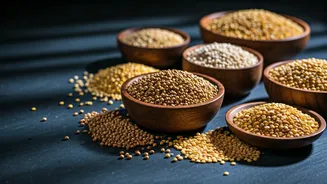
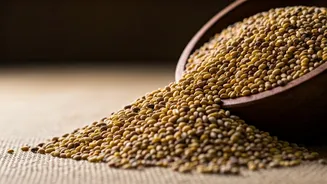
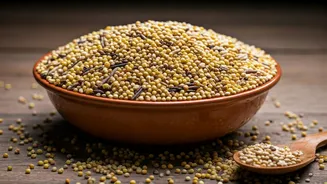
Millets are at the heart of this fibre renaissance. Thanks to a combination of growing health consciousness since the pandemic and promotional efforts like the UN’s International Year of Millets in 2023, these grains are making a major comeback. A 2026 report revealed that 70% of Indian households now regularly consume millets in some form. Once used mainly for traditional rotis and porridges, chefs and home cooks are now getting creative. You can find millets in everything from breakfast cereals and dosas to risottos and even pizza bases, showcasing their incredible versatility. Ragi, jowar, bajra, and others are being recognised not just as patriotic superfoods, but as practical tools for building a healthier, fibre-rich diet.
Beyond the Grains
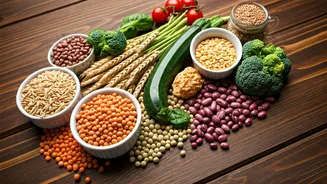
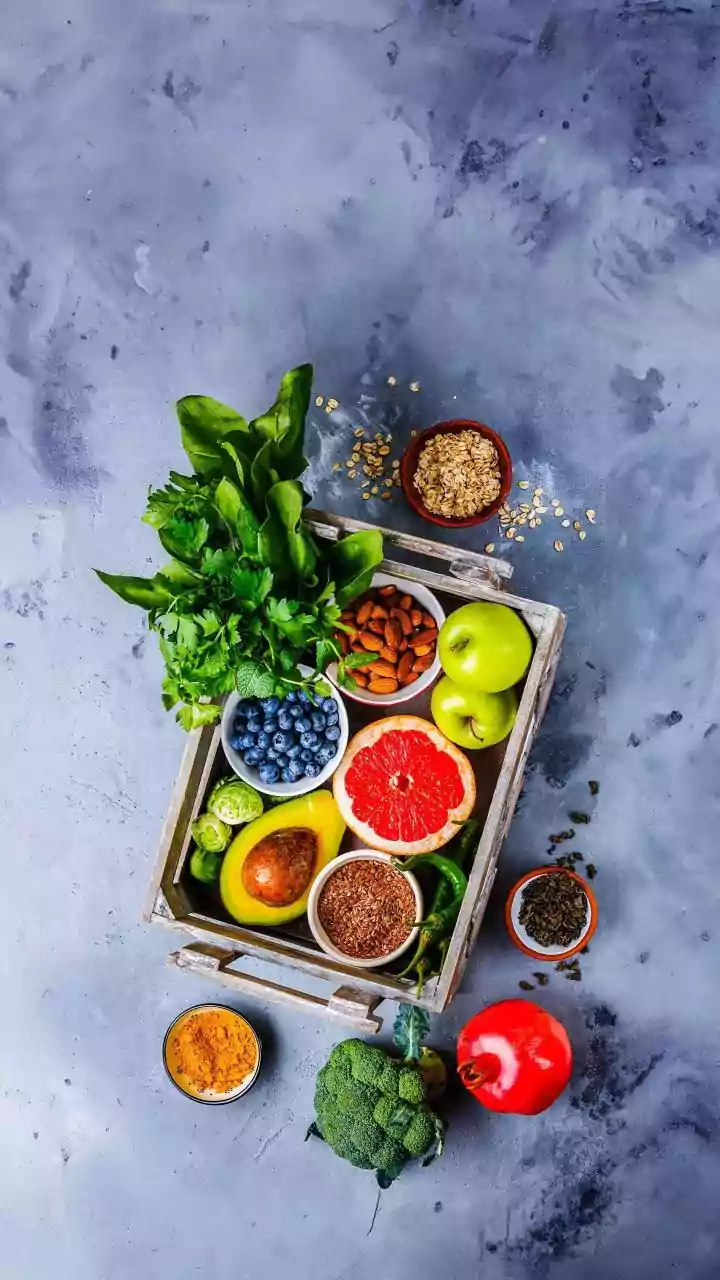
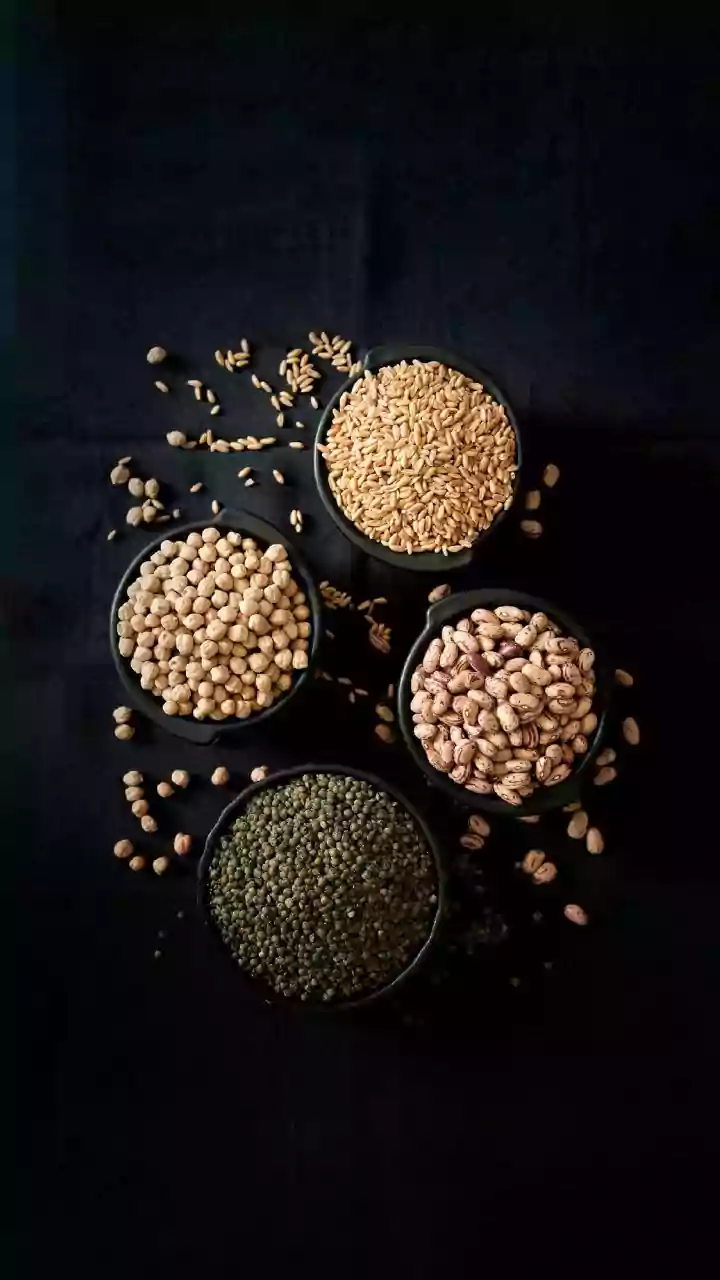
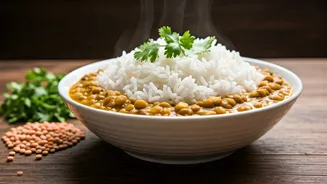
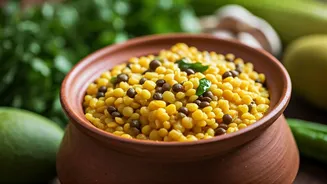
While millets are the stars, the fibre focus extends across the entire Indian plate. There's a renewed appreciation for pulses and legumes like rajma, chana, and whole dals, which are excellent sources of both fibre and plant-based protein. Nutritionists are highlighting the importance of everyday vegetables such as bhindi (okra), lauki (bottle gourd), and leafy greens, all of which are packed with beneficial fibres. Even fruits that were often overlooked, like guava and papaya, are being championed for their high fibre content. The trend is about embracing the full spectrum of fibre-rich ingredients that have always been part of India’s culinary heritage but were sidelined by modern, processed foods.
From Home Kitchens to Modern Restaurants
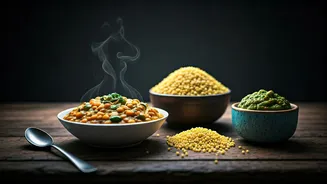
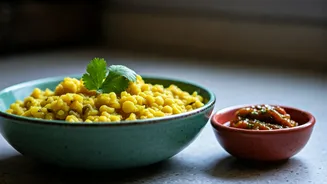
This movement is not confined to health blogs; it's transforming daily meals. Home cooks are swapping refined flour for millet flour in their rotis and incorporating more vegetables into every meal. Meanwhile, innovative chefs are building entire menus around indigenous ingredients, reinterpreting traditional dishes with a modern, health-conscious twist. Restaurants are showcasing the versatility of ancient grains in contemporary formats, making them appealing to a new generation of diners. This dual adoption, from the humble home kitchen to high-end dining, proves that the fibre era is not a fleeting trend but a fundamental shift in how India thinks about food, wellness, and flavour.