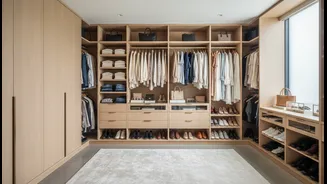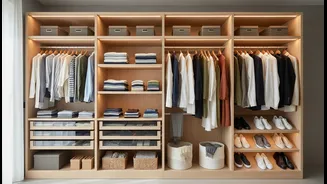








Assess Your Needs and Plan Your Space
Before you choose a system, take a moment to analyse your entryway and your family's habits. What causes the most clutter? Is it a mountain of shoes, a tangle of coats and bags, or a lack of a designated spot for keys and mail? Make a list of everything
you need to store. This could include jackets, shoes, backpacks, umbrellas, and pet leashes. Measure your wall space carefully, noting height, width, and importantly, the depth available, especially if the door swings open against the wall. For tight spaces, look for slim systems to avoid creating a bottleneck. This planning stage is crucial for creating a system that genuinely works for your real life, making your comings and goings smoother.
Choosing the Right Floating Modular System
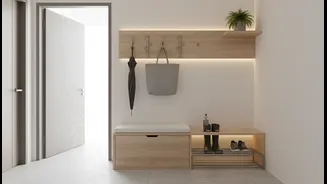
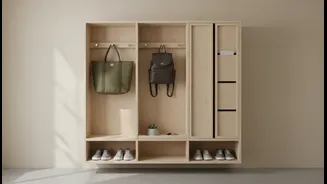
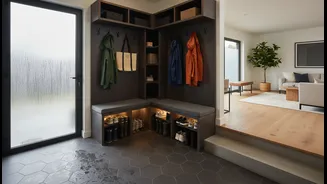
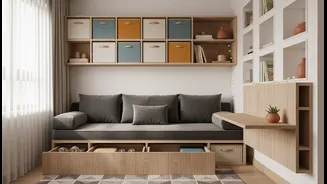
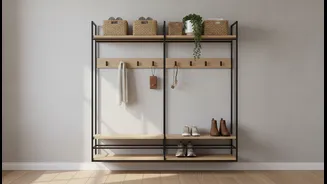
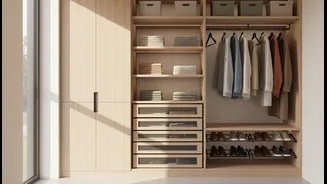
The beauty of modular systems is their flexibility. You can mix and match components to build a custom solution. Key elements often include a combination of hooks, shelves, and sometimes a bench. Hooks are essential for coats, hats, and bags. Floating shelves create a “landing strip” for keys, wallets, and mail without the bulk of a traditional table. You might also consider systems that incorporate cubbies or bins, which are perfect for hiding shoes or organizing smaller accessories like gloves and scarves. When selecting materials, consider your home’s aesthetic. Wood shelves can add warmth, while metal systems offer a more modern or industrial feel. The goal is to choose a system that is scalable and can be customized to your specific lifestyle.
Installation for Strength and Safety
A floating rack is only as good as its installation. For a secure and long-lasting setup, it is highly recommended to anchor the mounting brackets directly into wall studs. You can locate these using an electronic stud finder. Mark your desired height and use a level to ensure the brackets are perfectly straight before drilling any holes. If a stud isn't available in the ideal location, you must use heavy-duty wall anchors, like toggle bolts, that are rated to support the weight of the shelf and its contents. Drywall alone is not strong enough to hold a loaded shelf. Once the brackets are securely fastened, you can slide the shelf on and secure it, often with small set screws underneath. Taking the time to install it properly prevents sagging and ensures safety.
Styling for a Welcoming First Impression
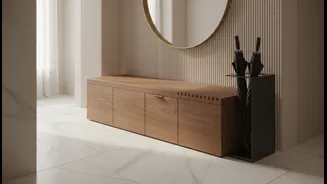
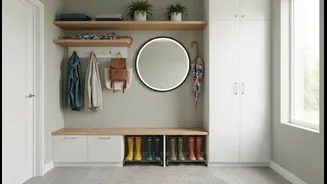
With the functional structure in place, it’s time to bring in the aesthetic elements. Think of your entryway rack as a canvas. Use attractive baskets or woven bins in cubbies to conceal clutter while adding texture. The main floating shelf is the perfect place for a small bowl to catch keys, a stack of mail, and a personal touch like a small potted plant or a framed photo. A mirror is an excellent addition to any entryway; it makes the space feel larger by reflecting light and allows for a quick final check before you leave the house. Keep the display curated and minimal. The goal is to have essentials within reach while maintaining a clean, uncluttered look that feels intentional and welcoming.