

The Comfort Foundation: Your Chair
The first and most critical upgrade for any hobby nook is the seating. Perching on a hard kitchen stool or a spare dining chair is a guaranteed way to ensure your hobby sessions are short and strained. Hobbies often involve long periods of sitting, so
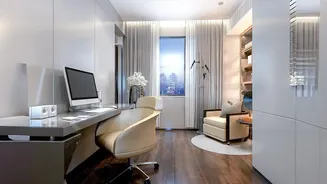
an ergonomic chair isn't an indulgence; it's a necessity. Look for a chair with adjustable height and proper lumbar support to maintain good posture and prevent back pain. Your feet should rest flat on the floor, with your elbows at a 90-degree angle to your work surface. For hobbies that require a lot of movement, like sewing or extensive crafting, consider an armless chair or one with flip-up arms to allow for more mobility. The goal is to find a chair so comfortable that you lose track of time, not one that has you counting the minutes until you can leave.
Lighting That Inspires, Not Strains
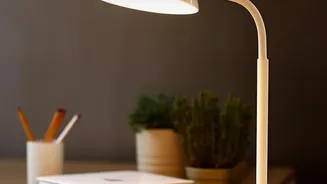
Never underestimate the power of good lighting. A single, harsh overhead light creates shadows and causes eye strain, making detailed work difficult and unenjoyable. A well-lit hobby space uses layered lighting: ambient, task, and accent lighting. Start with good ambient light to illuminate the whole area, preferably from a natural source like a window if possible. Then, add dedicated task lighting. This could be an adjustable desk lamp or a floor lamp that you can position directly over your work to see details clearly without straining. For a cosier feel, warm-toned lights can increase creativity, while cooler-toned lights help with focus. Smart bulbs or dimmers can give you the flexibility to change the lighting to suit your mood and your project. Good lighting is not just functional; it sets the atmosphere, making the space feel warm and inviting.
Organisation as an Art Form
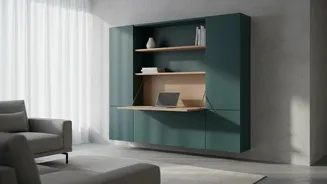
A cluttered space leads to a cluttered mind. The constant search for a specific tool or supply creates friction and can stop a creative session before it even starts. Smart organisation is about making things easy to find and easy to put away. Vertical storage is key in a small nook, so use wall space with pegboards and shelves. Pegboards are excellent for keeping frequently used tools visible and within arm's reach. Clear storage bins are invaluable for seeing what you have at a glance, while drawer dividers can tame smaller items. For projects that move around the house or need to be packed away, a wheeled storage cart is a game-changer, keeping all related supplies together in one mobile unit. The goal isn't just to be tidy, but to create a seamless workflow where your environment supports, rather than hinders, your creativity.
The Psychology of a Dedicated Space
Carving out a physical space for your hobby does something profound psychologically. It sends a signal to your brain that this is a place to switch off from daily obligations and focus on something you love. This mental separation is invaluable; it helps you transition into a state of 'flow,' where you become fully immersed in the activity. Research has shown that engaging in hobbies can reduce stress, anxiety, and depression. A dedicated space amplifies these benefits by removing the barriers to starting. When your supplies are ready and the space is inviting, your hobby transforms from something you 'should do' into something you truly 'want to do.' This isn't just about finding a corner; it's about creating a sanctuary that validates the importance of your own well-being and passions.
Make It Personally Yours
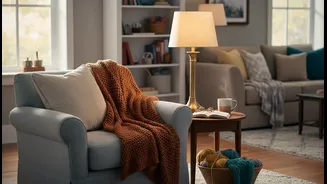
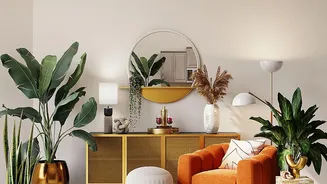
Finally, your hobby nook should feel like you. This is the one corner of the house that doesn't need to conform to anyone else's taste. Personalize it with things that make you happy and inspired. Add a small rug for warmth, hang art on the walls, or display a few finished projects to remind yourself of what you can create. A cosy throw blanket, a favourite mug for tea, or even a specific scent from a candle can help define the space as a personal retreat. A simple entry ritual, like putting on a specific playlist or lighting that candle, can also help train your brain to switch into a creative and restorative mode each time you sit down. This space is a celebration of your interests—make sure its character reflects that.