





From Paragliders to Programmers
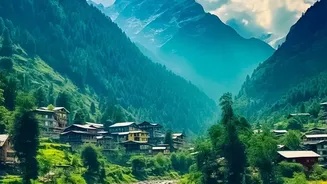
For years, Bir was a destination for thrill-seekers and spiritual travellers. Today, a different kind of visitor is putting down roots, albeit temporary ones. Laptops have become as common as prayer flags in the local cafes. This shift was accelerated
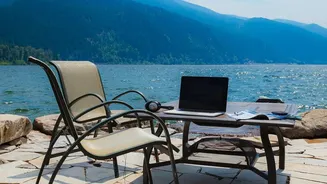
by the global move towards remote work, which allowed professionals to trade city cubicles for mountain views. The appeal is a unique blend of adventure, tranquility, and, crucially, reliable internet. Cafes like June 16 and Silver Linings offer not just coffee and panoramic views but also the stable Wi-Fi and power outlets that are the lifeblood of a remote professional.
The Anatomy of a Nomad Hub
What makes a quiet village like Bir a digital nomad hotspot? It's a combination of factors. The cost of living is significantly lower than in metropolitan cities, allowing for a comfortable lifestyle on a modest budget. A burgeoning ecosystem of co-working spaces, co-living hostels, and long-stay guesthouses has emerged to cater specifically to this demographic. Establishments like Alt Life and NomadGao offer not just a desk and a bed, but a built-in community of like-minded individuals, helping to combat the isolation that can sometimes accompany remote work. This infrastructure, providing internet speeds up to 200 Mbps and crucial power backups, has turned scenic retreats into viable, productive workspaces.
The Trend Spreads Across Himachal
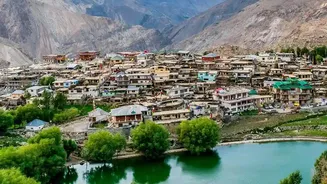
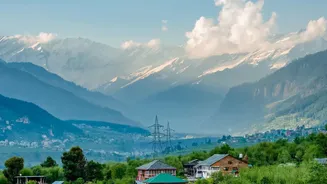
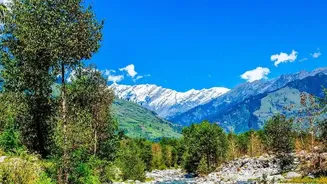
Bir is not an isolated case. The digital nomad trend is rippling across Himachal Pradesh. Dharamkot, a small village above McLeod Ganj, is now considered one of India's most established digital nomad enclaves. Further afield, the riverside town of Manali, the serene valleys of Jibhi and Tirthan, and the backpacker-favorite Kasol are all experiencing a similar influx. Each location offers a slightly different flavour—from the spiritual vibe of Dharamshala to the deep-focus solitude of Tirthan Valley—but the underlying drivers are the same: a search for a better work-life balance, enabled by improving digital connectivity across the state.
An Economic Boom with Growing Pains
The influx of long-stay visitors has been a boon for local economies. It creates sustained revenue for cafes, homestays, and service providers, often smoothing out the seasonal troughs typical of tourism. However, this rapid growth is not without consequences. Academic studies and local observations point to a growing strain on resources. Housing markets are particularly affected, with rising rental costs pricing out some local residents. There is also increasing pressure on fragile infrastructure, including water supply and waste management. The cultural fabric of these villages is also changing, leading to a complex dynamic between the host communities and the new, transient residents.
The Road to Sustainability
The long-term viability of this trend hinges on finding a sustainable balance. Policymakers and local communities are now grappling with how to manage this growth responsibly. The conversation is shifting from simply attracting visitors to managing their impact. This includes investing in infrastructure upgrades, promoting community integration initiatives, and ensuring that the economic benefits are distributed equitably. The goal is to prevent these vibrant mountain communities from being loved to death, preserving the very qualities that made them so attractive in the first place. Without careful planning, there's a risk of what some experts call 'overtourism', where the destination's quality of life diminishes for residents and visitors alike.