



Hanle, Ladakh: India’s First Dark Sky Reserve
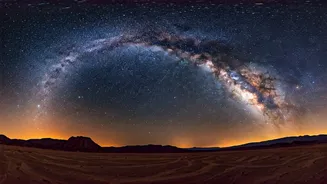
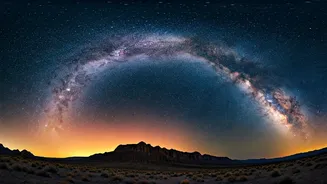
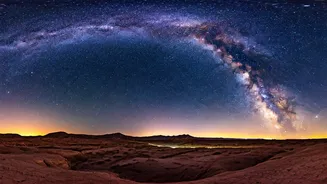
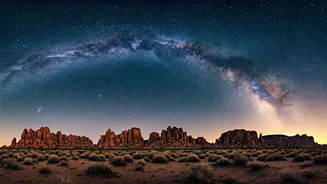
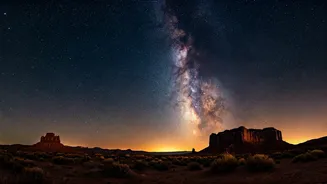
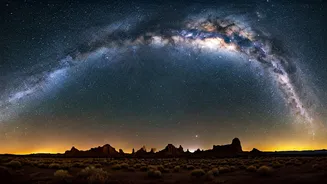
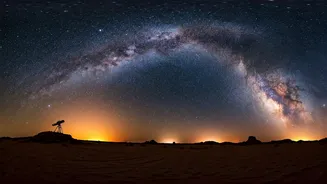
For the ultimate celestial experience, there is no place like Hanle. Tucked away in the cold desert of Ladakh, this remote village was officially designated India's first Dark Sky Reserve. The reasons are clear: its high altitude (over 4,500 metres),
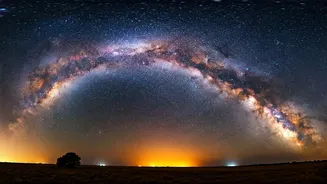
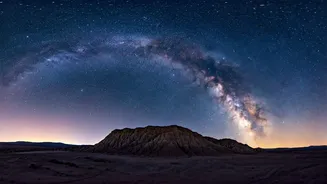
minimal light pollution, and crystal-clear atmospheric conditions for most of the year create a perfect window to the cosmos. Here, the Milky Way isn't just a faint band; it's a brilliant, textured river of light arching across the sky. Hanle is also home to the Indian Astronomical Observatory, one of the world's highest-altitude observatories. While access to the main telescope is restricted, the trip itself offers breathtaking views of constellations, nebulae, and shooting stars that are simply not visible from anywhere else. The best time to visit is from May to September when the roads are accessible and the skies are at their clearest.
Spiti Valley, Himachal Pradesh: Adventure Under the Stars
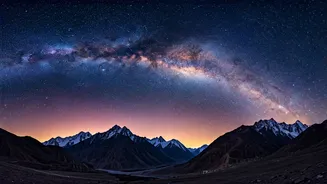
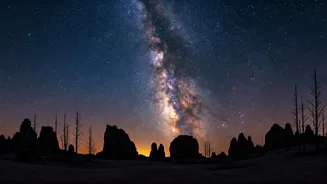
If you like your stargazing served with a side of adventure, Spiti Valley is your destination. This high-altitude desert region in Himachal Pradesh is a world away from modern life. With villages like Kibber and Kaza perched at staggering heights, the lack of urban development means the night sky is profoundly dark. Imagine camping under a canopy of a billion stars, with the jagged peaks of the Himalayas silhouetted against the cosmos. During the day, you can explore ancient monasteries and dramatic landscapes. At night, the show begins. The air is thin and crisp, allowing for exceptionally sharp views of planets, star clusters, and the Andromeda Galaxy with the naked eye. A trip to Spiti requires acclimatisation and a rugged spirit, but the reward is an unforgettable connection with nature and the universe.
Coorg, Karnataka: A Southern Celestial Haven
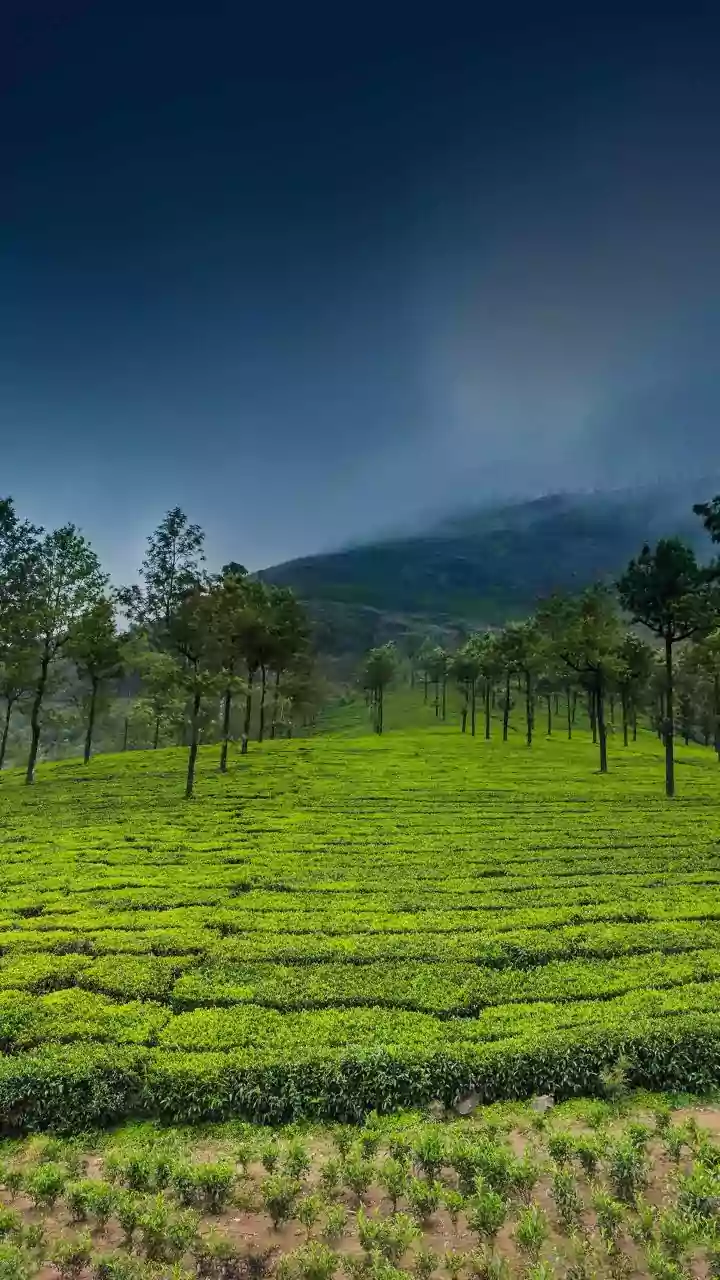
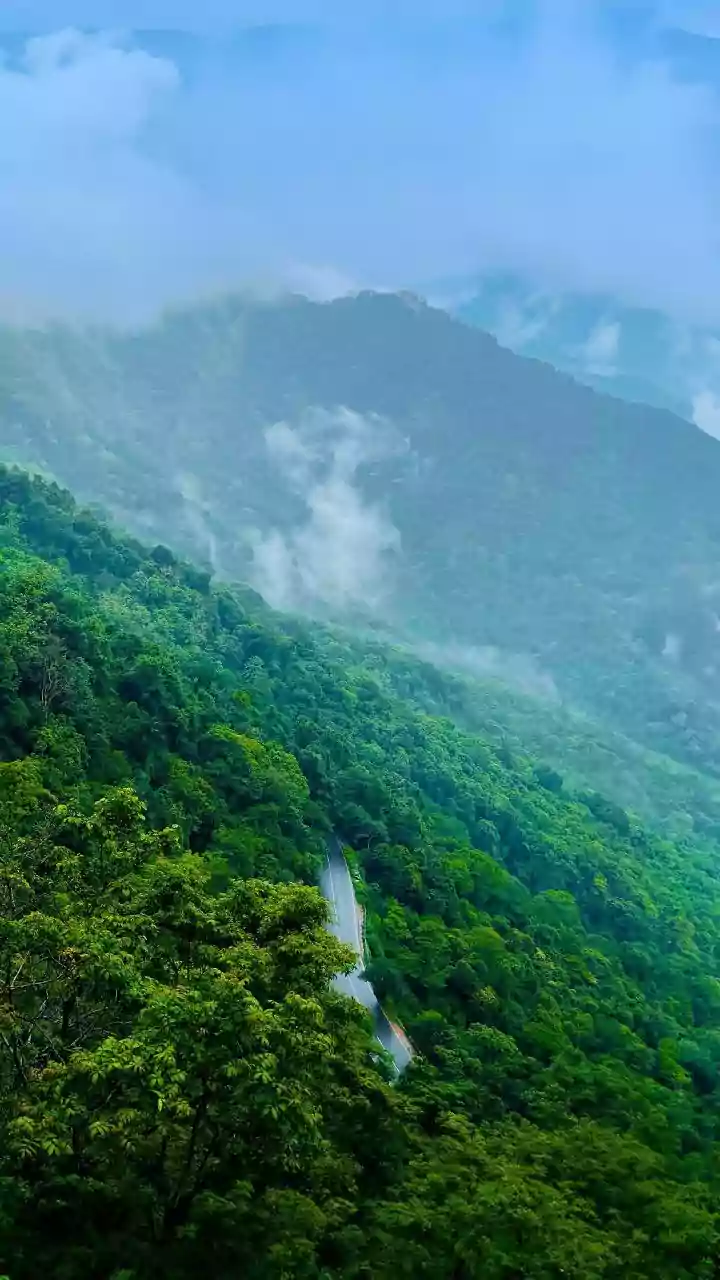
Think astrotourism is only for the Himalayas? Think again. The coffee plantations of Coorg (Kodagu) in Karnataka offer a surprisingly brilliant stargazing experience, especially for those in South India. While it doesn't have the high-altitude advantage of Ladakh, its remote estates and hilly terrain shield it from the light pollution of major cities like Bengaluru and Mysuru. Several homestays and resorts in the region are now catering to amateur astronomers, offering clearings and viewpoints away from any ambient light. The post-monsoon period, from October to March, provides clear, haze-free skies. Here, you can enjoy the Southern Hemisphere constellations that are not easily visible from North India, all while sipping on locally grown coffee. It’s a more accessible, relaxed way to chase the stars.
Rann of Kutch, Gujarat: A Surreal Starry Expanse
The vast, white salt desert of the Rann of Kutch provides one of the most surreal backdrops for stargazing in India. During the Rann Utsav (from October to February), the landscape transforms into a shimmering white canvas under the moonlight. But the real magic happens on a moonless night. With no hills or trees to obstruct the view, you get a 360-degree, horizon-to-horizon view of the celestial dome. The sheer emptiness of the landscape makes the sky feel impossibly large and close. Lying on the cool salt flats and watching meteor showers or tracing constellations is a meditative experience. The combination of the unique terrestrial geography and the infinite cosmos above makes the Rann of Kutch a photographer's dream and a stargazer's paradise.