

First, What Are Polyphenols?
Before we dive into cooking methods, let's talk about what we're trying to save. Polyphenols are a large group of naturally occurring compounds found in plants. You may know them by another name: antioxidants. These powerful micronutrients are what give
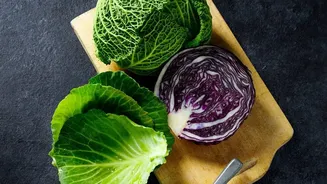
many fruits and vegetables their vibrant colours, from the deep purple of an aubergine to the rich green of spinach. More importantly, they help protect our bodies at a cellular level. They fight against unstable molecules called free radicals, which can cause cell damage and contribute to inflammation and chronic diseases. A diet rich in polyphenols is linked to numerous health benefits, so getting as many of them as possible from our food is a worthy goal.
The Gentle Power of Steaming
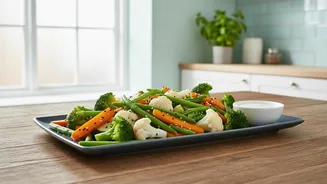
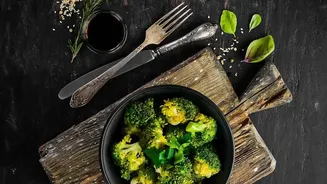
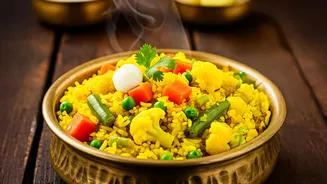
Think of steaming as a spa treatment for your vegetables. In this method, the food is cooked by hot water vapour, never coming into direct contact with boiling water or a scorching hot pan. This gentle, indirect heat is crucial for preserving delicate nutrients. Research shows that steaming is one of the best methods for retaining polyphenols. One study found that steaming could even increase the average polyphenol content in vegetables by over 50%. Because the vegetables are in a closed, moist environment, they are less exposed to oxygen, which can degrade antioxidants. The cooking temperatures are also relatively low and stable, typically around 100°C (212°F), which is less destructive to heat-sensitive compounds than the soaring temperatures of a frying pan. In many cases, steaming helps soften the plant's cell walls, making some nutrients even more available for our bodies to absorb.
The High-Heat World of Stir-Frying
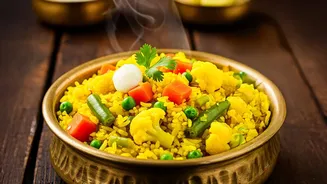
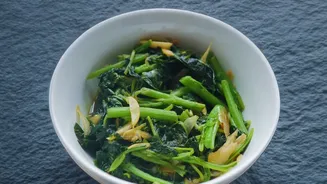
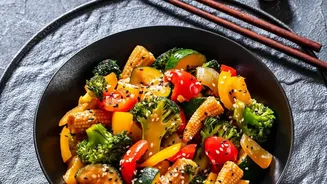
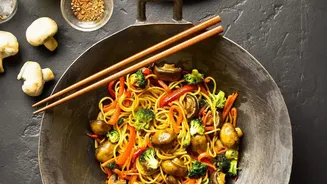
Stir-frying is a fast, flavourful, and popular way to cook vegetables, especially in Indian and other Asian cuisines. It involves cooking food quickly in a small amount of oil over very high heat in a wok or kadhai. While it's quick, this combination of high heat, direct contact with a hot surface, and constant agitation creates a perfect storm for polyphenol loss. The high temperatures can directly destroy heat-sensitive compounds. Furthermore, the continuous tossing and turning of the vegetables introduces a large amount of oxygen, which leads to oxidation—the very process that antioxidants are meant to fight. Essentially, the antioxidants in the vegetables get 'used up' fighting the oxidative stress of the cooking process itself.
Heat and Oxygen: The Key Differences
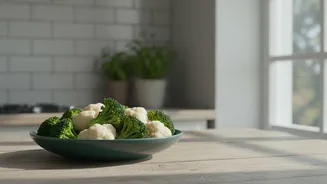
The core reason stir-frying leads to greater polyphenol loss than steaming comes down to two factors: temperature and oxygen. Steaming uses moist, indirect heat that rarely exceeds the boiling point of water. Stir-frying, on the other hand, can see pan surface temperatures reaching 150°C or higher, especially with certain oils. This intense, dry heat is simply more destructive. One study found that frying could reduce the polyphenol content in some leafy greens by over 75%. By comparison, steaming often results in the lowest loss of nutrients like glucosinolates in broccoli, while stir-frying causes the greatest loss. While boiling also leads to significant losses, it's often because the water-soluble polyphenols leach into the cooking water—which you can reclaim if making a soup. With frying, the loss is often due to outright destruction by heat and oxidation.
Should You Stop Stir-Frying Vegetables?
Absolutely not. The most important thing is that you are eating vegetables, regardless of the cooking method. A stir-fried vegetable is far better than no vegetable at all. Plus, there are ways to make your stir-frying healthier and better at preserving nutrients. You can try a method called 'steam-frying' or 'water-sautéing,' where you add a few tablespoons of water or broth to the pan along with a minimal amount of oil. This lowers the cooking temperature and creates steam, protecting the vegetables. Keep cooking times as short as possible—just until the vegetables are tender-crisp. Avoid letting the oil smoke, as this is a sign it's breaking down and creating harmful compounds. Finally, remember that some nutrients, like carotenoids, become more available when cooked with a little fat, so pairing vegetables with a healthy oil isn't a bad thing.