



In the morning rush, it’s easy to grab a quick, processed bite. Yet, the answer to sustained energy and a balanced urban lifestyle might just be waiting in our own kitchens, rooted in generations of wisdom. So, what makes them so powerful?
Sustained Energy, Not a Sugar Crash
The modern urban
day is a marathon, not a sprint. It demands consistent energy, something sugary cereals and refined-flour pastries fail to provide. This is where traditional Indian breakfasts like Poha and Upma shine. Made from flattened rice and semolina respectively, they are rich in complex carbohydrates. Unlike simple carbs that cause a rapid spike and subsequent crash in blood sugar, these meals release energy slowly and steadily. This low-glycemic nature helps maintain stable energy levels, preventing the dreaded mid-morning slump and keeping you focused and productive for hours. When vegetables and peanuts are added, the meal becomes even more balanced, providing essential fibre, healthy fats, and a bit of protein.
The Gut-Friendly Power of Fermentation
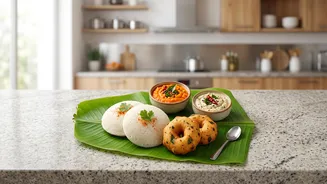
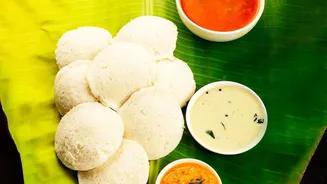
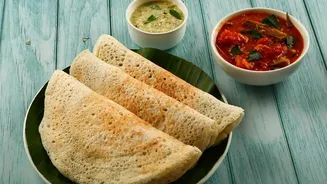
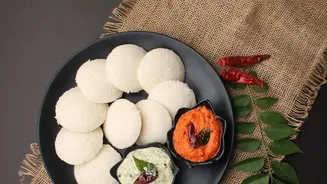
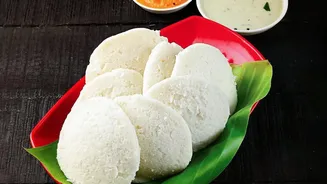
Gut health is the cornerstone of overall wellness, influencing everything from immunity to mood. South Indian staples like Idli and Dosa are champions of gut health, thanks to one key process: fermentation. The batter, made from rice and urad dal, is fermented overnight. This process not only makes the food light and easy to digest but also enriches it with probiotics—beneficial bacteria that support a healthy gut microbiome. These probiotics aid digestion, reduce bloating, and enhance nutrient absorption. In a world increasingly turning to probiotic supplements, these traditional dishes offer a natural, delicious, and time-tested alternative. Steamed instead of fried, an idli is also incredibly low in calories, making it a light yet satisfying start to the day.
A Masterclass in Balanced Macronutrients
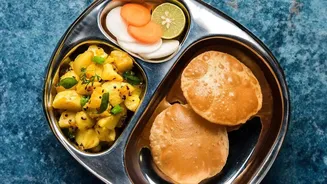
A truly effective breakfast provides a balanced mix of carbohydrates, protein, and healthy fats. Traditional Indian breakfast plates achieve this effortlessly. The combination of rice and lentils in Idli and Dosa creates a complete protein profile, offering all essential amino acids. Moong Dal Cheela, a savoury pancake made from split green gram, is another protein powerhouse, perfect for muscle repair and satiety. When you pair a whole-wheat Aloo Paratha with a bowl of plain curd, you're getting complex carbs for energy, protein and probiotics from the yogurt, and healthy fats. This holistic approach ensures you feel full for longer, reducing the urge to snack on unhealthy options before lunch.
More Than Just Food: The Ayurvedic Perspective
According to Ayurveda, the morning digestive fire, or 'Agni', is gentle and needs to be kindled, not overwhelmed. Traditional Indian breakfasts align perfectly with this principle. Most are warm, cooked, and easy to digest, which helps awaken the metabolism without shocking the system. Cold, raw, or heavy foods are generally avoided. A warm bowl of Upma or a plate of soft Idlis respects the body's natural rhythm. This mindful approach to the first meal of the day sets a calm and centered tone, supporting not just physical energy but also mental clarity. It transforms breakfast from a mere act of eating into a nourishing ritual that prepares both body and mind for the day ahead.