


Beyond the Dust: Reimagining Masala Chai
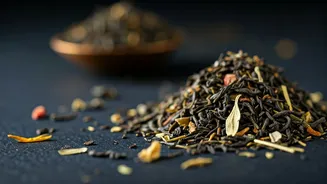
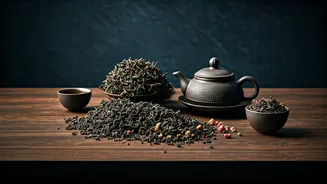
The humble masala chai is the undisputed king of Indian beverages, but its everyday nature often means compromising on quality. The path to a more special cup begins with ditching the pre-packaged tea dust and embracing whole-leaf black tea as a base.
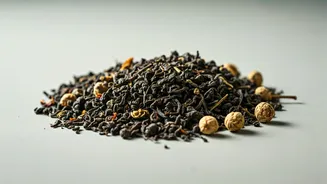
An authentic masala chai is an artful blend of a robust black tea, typically a strong Assam, with whole spices. Using fresh, coarsely crushed ingredients like green cardamom pods, cloves, cinnamon bark, and slivers of ginger transforms the flavour from flat and uniform to vibrant and multi-layered. This approach allows the individual notes of each spice to sing, creating a brew that is both comforting and complex. It’s about honouring the tradition by using high-quality components, turning a daily habit into a small, luxurious moment.
The Terroir in Your Teacup: Single-Origin Wonders
Just like wine, tea is a product of its environment, or 'terroir'. Single-origin teas, hailing from one specific region, offer a pure expression of that place. India is home to three legendary tea-growing regions: Darjeeling, Assam, and Nilgiri. Assam, from the lowlands of the Brahmaputra Valley, is known for its bold, malty, and full-bodied character, making it the perfect foundation for a strong morning tea. Darjeeling, grown in the Himalayan foothills, is famously called the "Champagne of Teas" for its delicate, complex, and floral notes. Then there is Nilgiri tea from the Blue Mountains of South India, which is bright, fragrant, and exceptionally smooth, making it ideal for iced tea as it doesn't cloud when chilled. Exploring these single-origin teas is like taking a sensory tour of India, with each cup telling the story of its unique climate and soil.
A Garden of Flavours: Herbal and Floral Infusions
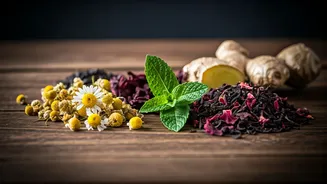
An authentic blend doesn’t always have to be from the tea plant, Camellia sinensis. Herbal infusions, or tisanes, offer a world of caffeine-free flavours and wellness benefits. Chamomile, made from dried flowers, is renowned for its calming properties and is often enjoyed as a bedtime beverage to aid sleep. Hibiscus tea, with its vibrant red hue and tart, cranberry-like flavour, is packed with antioxidants and can be enjoyed hot or cold. Other blends might feature ingredients like lavender, rose petals, peppermint, or lemongrass, each providing a unique aroma and potential health benefit, from aiding digestion to reducing stress. These infusions make tea time a more holistic and restorative practice.
The Art of the Artisan: Curated Blends
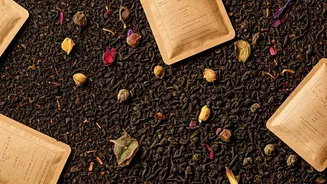
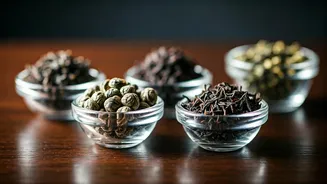
In the hands of a master blender, tea becomes a true art form. Artisanal blends combine different teas, herbs, flowers, fruits, and spices to create a harmonious and unique flavour profile that is more than the sum of its parts. These blends are crafted with intention, balancing the robust foundation of a black tea with the citrusy notes of bergamot oil to create Earl Grey, or layering green tea with fragrant jasmine flowers. Some modern Indian brands specialise in creating unique blends like rose and chamomile or even mango and chilli infused with white tea. These curated creations are designed to evoke a mood or a memory, offering a sophisticated and surprising tea experience that breaks from the norm.
Brewing for Brilliance: Simple Steps to a Perfect Cup
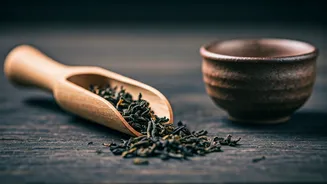
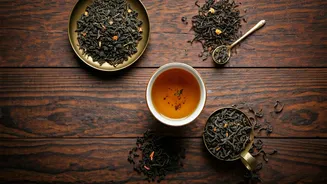
To unlock the full potential of an authentic blend, brewing it correctly is key. The two main variables are water temperature and steeping time, and they vary by tea type. Delicate green and white teas require lower water temperatures (around 80°C) and shorter steeping times (2-3 minutes) to prevent bitterness. Black teas can handle hotter water, just off the boil (around 95-100°C), and can be steeped for 3-5 minutes. Herbal infusions, being more robust, can be steeped in boiling water for 5 minutes or even longer to fully extract their flavours. Using loose leaves in an infuser rather than a bag allows the leaves to fully expand, releasing more flavour and aroma into the water. A little attention to these details can make a world of difference.