



Scotland's Fjord Connection
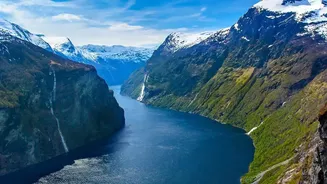
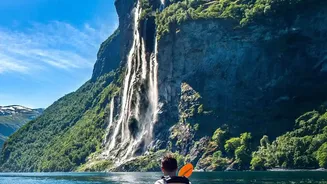
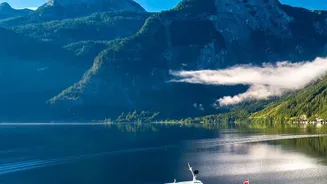
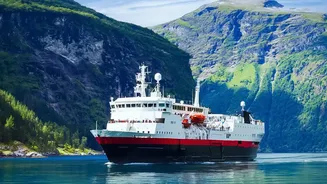
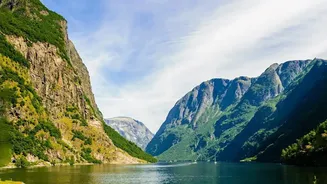
So, what's the difference between a Norwegian fjord and a Scottish sea loch? Geologically, very little. Both are deep, narrow sea inlets carved out by massive glaciers during the last Ice Age, which later flooded as sea levels rose. The word 'fjord' is Norse,
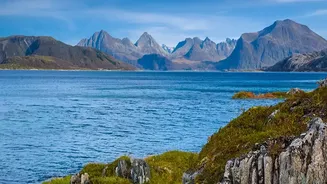
while 'loch' is Gaelic, but the dramatic origin story is the same. While Norwegian fjords are often cited for their colossal scale and sheer cliffs, Scotland's sea lochs offer a unique character, weaving through a complex coastline of peninsulas and over 900 islands. This intricate geography creates a varied tapestry of landscapes, from wide, open lochs reflecting towering mountains to narrow, winding channels that feel like secret waterways.
Loch Fyne: A Foodie's Paradise
Stretching an impressive 65 kilometres, Loch Fyne is the longest sea loch in Scotland and a must-visit for any coastal explorer. Situated in the stunning region of Argyll, its shores are a blend of lush forests, rolling hills, and charming villages. The area is a renowned foodie destination, famous for its fresh oysters and seafood, which are cultivated in the loch's clear, nutrient-rich waters. Visitors can tour the famous Loch Fyne Oyster Bar, explore the historic town of Inveraray and its fairy-tale castle, or simply enjoy the scenic drive along the A83 which hugs its shoreline. For a deeper connection with nature, the Ardkinglas Woodland Garden offers walks among some of Britain's tallest trees.
Loch Linnhe: Gateway to the Highlands
Loch Linnhe serves as a majestic gateway to the heart of the Scottish Highlands. This large sea loch runs along the Great Glen Fault, with the town of Fort William sitting at its head and the towering peak of Ben Nevis, the UK’s highest mountain, providing a dramatic backdrop. The loch's waters are a hub for outdoor activities, including boating, kayaking, and wildlife watching, with common sightings of seals and various seabirds. Boat trips from Fort William offer panoramic views of the surrounding mountains, including the moody peaks of Glencoe. For a unique piece of engineering history, visitors can see Neptune's Staircase, a series of eight locks that lift boats from the Caledonian Canal into the loch.
Loch Hourn: The Wildest Fjord
Often described as Scotland’s most fjord-like loch, Loch Hourn is a remote and wild inlet that separates the Knoydart peninsula from the mainland. Its Gaelic name, Loch Iutharn, translates to 'Loch of Hell', a testament to its imposing and dramatic atmosphere. Unlike more accessible lochs, no road runs its full length, preserving its untamed character. Reaching it requires a journey, either via a spectacular mountain pass to the village of Arnisdale or by boat. This remoteness is its greatest appeal, offering unparalleled peace for hikers and nature lovers. The area is a haven for experienced mountaineers looking to tackle the remote peaks of Knoydart and for anyone seeking to experience the raw, elemental beauty of the Highlands.
The Isle of Skye: A World of Its Own
The Isle of Skye is a landscape photographer's dream, where dramatic sea lochs cut deep into the island's mystical interior. Loch Coruisk, a freshwater loch nestled at the foot of the jagged Black Cuillin mountains, is one of Scotland's most awe-inspiring sights, accessible only by boat from the village of Elgol or a long, challenging hike. The boat trip itself often includes sightings of a local seal colony. Elsewhere on the island, Loch Slapin offers breathtaking views of the mountain Bla Bheinn, while Lochs Eishort and Dunvegan showcase the island's stunning and varied coastline. Exploring Skye's lochs means immersing yourself in a landscape of myth, legend, and untamed natural beauty.