








The Viral Claim: Is Cardio Obsolete?
The argument currently making the rounds online is a familiar one, repackaged with new confidence. It suggests that for true longevity, you should ditch long, slow jogs and bike rides in favour of a routine built exclusively around strength training and short,
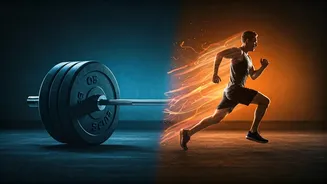
intense bursts of high-intensity interval training (HIIT). Proponents argue that building and maintaining muscle is the single most important factor in healthy ageing, protecting against frailty and metabolic decline. They claim steady-state cardio does little to build the physical resilience needed for a long, independent life. This black-and-white framing is compelling, especially for those short on time, but it oversimplifies a complex biological picture.
The Undeniable Power of Strength
To be clear, the viral claims get one thing right: strength training is critically important for longevity. For decades, it was often treated as secondary to aerobic exercise in public health messaging. However, recent large-scale studies have confirmed its powerful, independent benefits. Research shows that maintaining muscle mass as we age—a process that counteracts the natural decline known as sarcopenia—is linked to a lower risk of all-cause mortality. Strength training improves bone density, reduces the risk of falls and fractures, and plays a huge role in regulating blood sugar and improving insulin sensitivity. A recent study even identified a 'sweet spot' of 90 to 120 minutes of strength training per week, which was linked to significantly lower risks of death, particularly from cardiovascular and neurological diseases.
Why You Shouldn't Ditch Cardio
The mistake in the viral argument isn't that strength training is important; it is the idea that cardio is not. Aerobic fitness, or cardiorespiratory fitness (CRF), is one of the single strongest predictors of long-term survival—stronger even than risk factors like smoking or diabetes. Aerobic exercise, particularly lower-intensity 'Zone 2' training where you can hold a conversation, works wonders at a cellular level. It improves mitochondrial function, which is your cells' ability to produce energy efficiently. It also enhances cardiovascular health by lowering resting heart rate and blood pressure, improving blood flow, and making blood vessels more flexible. While HIIT is great for boosting peak fitness (VO2 max), steady-state cardio builds the foundational endurance engine that supports all other activity and long-term health.
The Expert Consensus: A Blended Approach
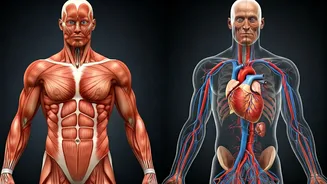
If you ask longevity experts to choose between cardio and strength training, they will tell you it's a false choice. The overwhelming scientific consensus is that the greatest benefits come from combining both. Think of it like a car: your muscles, bones, and joints are the chassis, while your heart and lungs are the engine. A powerful engine in a rusted frame is useless, and a pristine chassis with a weak engine will not go far. Studies repeatedly show that combining aerobic activity and resistance training reduces the risk of early death far more than doing either one alone. The benefits don't just add up; they multiply. The most effective routines incorporate a mix of moderate-intensity cardio, some high-intensity work, and regular strength training.
What This Means For Your Routine
So, how do you apply this in a busy life? Forget the online arguments and focus on consistency across different domains of fitness. Major health organisations recommend a baseline of 150-300 minutes of moderate cardio or 75-150 minutes of vigorous cardio per week, plus at least two strength training sessions. For a balanced longevity plan, this could look like two or three total-body strength workouts (about 90-120 minutes total), two or three sessions of moderate cardio like brisk walking or cycling (about 30-45 minutes each), and perhaps one short HIIT session a week. The key is not to chase a single 'best' exercise but to build a sustainable, well-rounded habit you can stick with for decades.