
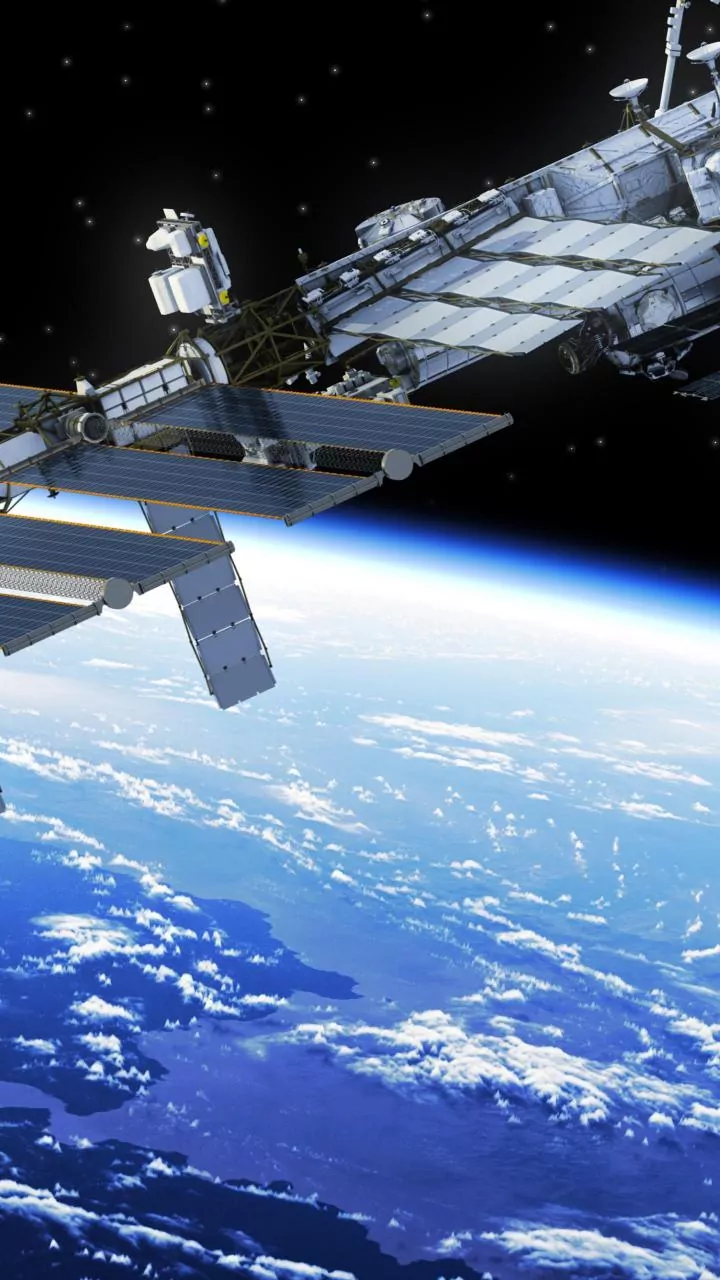




As humanity extends its reach into orbit, the biggest constraint isn't ambition—it's space itself. Traditional metal habitats are heavy and small, but a new generation of expandable modules promises to change everything.
The Packing Problem in Space
Every kilogram launched into orbit
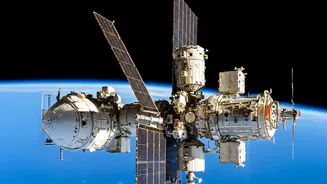
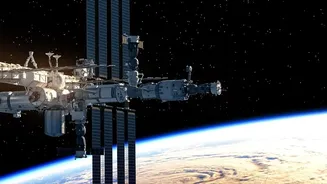
is incredibly expensive, and rockets have limited space inside their payload fairings. For decades, this has meant space station modules had to be built like rigid, cramped metal cans—strong, but inefficient. The International Space Station (ISS), for example, was assembled piece-by-piece over dozens of launches. As NASA prepares to transition from the aging ISS to commercially operated stations by 2030, a new approach is needed to make orbital living sustainable and affordable. The solution is to launch something small and make it big once it gets there.
Enter the Inflatable Habitat
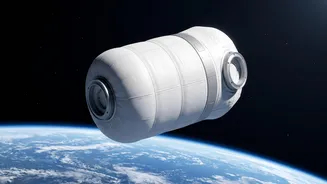
Inflatable modules are not like party balloons. They are sophisticated structures made of multiple layers of high-tech, flexible fabrics like Vectran, a material five times stronger than steel. These 'soft-goods' habitats are launched in a compressed, compact form. Once in orbit, they are inflated with breathable air, expanding to several times their launch size. Think of it like a high-tech tent for space that, once inflated, becomes a rigid and durable habitat. This concept allows companies to launch modules that offer the interior space of a small apartment building while fitting inside a standard rocket.
More Than Just Extra Elbow Room
The primary advantage of inflatable modules is the massive increase in pressurized volume for a fraction of the mass. Sierra Space's LIFE (Large Integrated Flexible Environment) habitat, for instance, can provide a third of the entire volume of the ISS in a single module. This allows for larger crews, more dedicated lab space, and better living quarters, which is critical for the mental and physical health of astronauts on long-duration missions. Beyond just volume, the multi-layered fabric construction offers superior protection against micrometeoroids and space radiation compared to traditional single-wall aluminum modules, a critical safety feature for life in orbit.
Proven Technology and Future Players
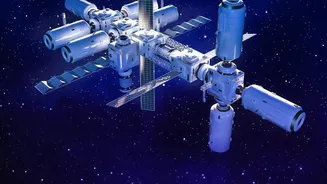
Inflatable habitats are already a proven technology. The Bigelow Expandable Activity Module (BEAM) was attached to the ISS in 2016 for a two-year test. It has since outperformed expectations, proving its durability and reliability to the point that it remains attached and is used for cargo storage. This success has paved the way for a new commercial market. Companies like Sierra Space are aggressively developing their LIFE modules for the Orbital Reef station, a joint project with Blue Origin. Other companies, including Lockheed Martin and Max Space, are also developing their own expandable habitat concepts, signaling a major shift in how orbital infrastructure will be built.
Building the Future of Life in Orbit
With the ISS scheduled for retirement around 2030, the race is on to build its commercial successors. Inflatable modules are at the heart of this transition. Their scalability means that commercial stations can be deployed faster and more affordably than ever before. Sierra Space has stated that just three of its LIFE module launches could create a space station with more volume than the entire ISS. This capability doesn't just enable research and manufacturing in low-Earth orbit; it's a foundational technology for future exploration. These same habitats could one day be used for missions to the Moon and Mars, providing relatively spacious and well-protected homes for the first human settlers on other worlds.