




Spotless Cities and Pristine Nature
Oman's reputation for cleanliness is not just a talking point; it's a reality that greets you upon arrival. The capital, Muscat, has been ranked as one of the cleanest cities in Asia. This is the result of strong government regulations, modern waste management
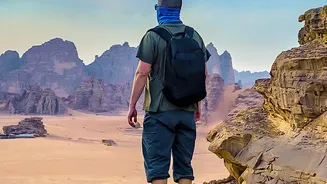
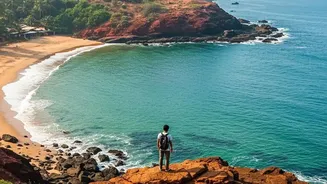
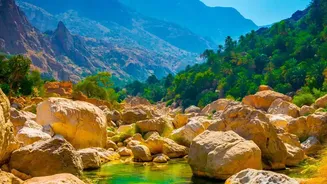
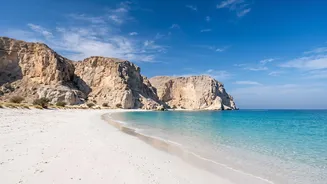
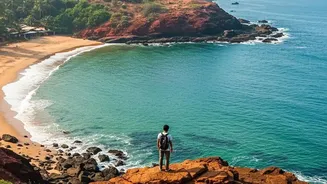
systems, and a culture that places a high value on tidiness and respect for the environment. For a backpacker, this translates into a pleasant and comfortable urban experience, with well-maintained public spaces, beaches, and streets. Driving a dirty car can even attract a fine, a testament to how seriously cleanliness is taken. This commitment extends beyond the cities to its famous natural attractions, from the clear waters of its wadis (riverbeds) to its beautifully kept beaches, many of which are free to access.
A Culture of Genuine Hospitality
Omani culture is deeply rooted in hospitality, and this warmth is frequently extended to visitors. Indian travellers, in particular, often report feeling respected and welcomed, thanks to a long history of cultural and commercial ties between the two nations that spans thousands of years. There is a large and well-integrated Indian expatriate community, which means Indian food is widely available and affordable, and a sense of familiarity permeates daily life. The country is also considered one of the safest in the world, with very low crime rates, making it an ideal destination for solo travellers and families alike. This feeling of security allows backpackers to explore with confidence, whether navigating the bustling Mutrah Souq in Muscat or camping under the stars.
Making the Budget Work
While Oman isn't as cheap as some parts of Southeast Asia, a backpacking trip is surprisingly achievable with smart planning. Flights from major Indian cities are often competitively priced, with round trips available for between ₹15,000 and ₹25,000 if booked in advance. For accommodation, while luxury resorts are plentiful, budget options like guesthouses and basic hotels are available, particularly in cities like Muscat and Nizwa. A significant advantage for budget travellers is that camping is legal, safe, and widely practiced in many of Oman's most beautiful natural spots, including beaches and mountains, which can drastically reduce accommodation costs. When it comes to food, avoiding hotel restaurants and eating at local cafes and Indian restaurants can keep daily expenses low, with hearty meals available for just a few Omani Rials.
Affordable Adventures and Free Attractions
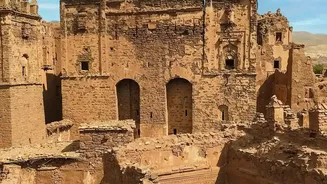
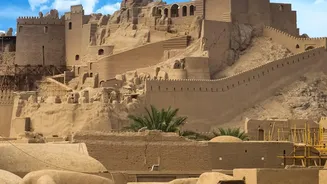
Many of Oman’s most memorable experiences are either free or very low-cost. Exploring the country’s stunning wadis, like Wadi Shab and Wadi Bani Khalid, involves little more than the cost of transport and perhaps a small fee for a boat crossing. The beautiful beaches along the coast are public and perfect for swimming or enjoying a sunset. Wandering through historic souqs (markets) in Muscat or Nizwa is a cultural experience in itself that costs nothing. While some of Oman's grand forts have entry fees, they are generally modest, and many historic sites can be admired from the outside for free. For transport, while public buses between major cities are available, renting a small car and sharing the cost with fellow travellers is often the most economical way to explore the country's diverse landscapes at your own pace.
Easy Visas and Practical Tips
The visa process for Indian citizens is relatively straightforward. Oman offers an electronic visa (eVisa) system, and travellers can apply online for short-term tourist visas. In some cases, Indians with valid visas from countries like the US, UK, or Schengen area may be eligible for visa-free entry for up to 14 days, though it's crucial to check the latest rules before travelling. To make your trip smoother, remember to dress modestly, especially when visiting religious sites like the magnificent Sultan Qaboos Grand Mosque. While the currency is the Omani Rial, which is strong against the Rupee, the abundance of affordable food and free activities helps balance the costs. The best time to visit is between October and April when the weather is cooler and ideal for exploring.