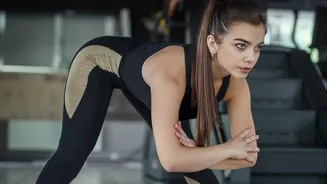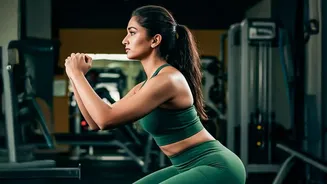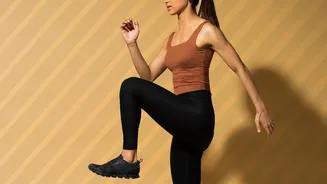




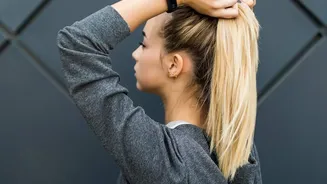

There's nothing more distracting than a high ponytail that sags, slips, or completely falls apart mid-burpee. A good workout deserves a hairstyle that can keep up. Forget constant adjustments and focus on your form with this guide to a truly secure ponytail.
The Right Foundation and Tools
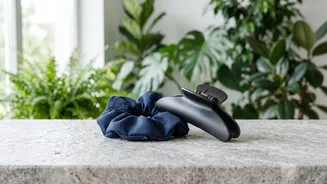
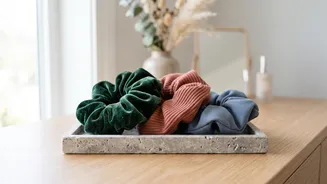
The secret to a secure ponytail begins before you even start gathering your hair. Hair that is freshly washed and silky is more prone to slipping. Second-day hair often has more natural grip. If your hair is clean, add a bit of texture with a light mist of dry shampoo or a texturizing spray at the roots. This creates a foundation for your hair ties to hold onto. Speaking of tools, not all hair ties are created equal. Standard elastics can snap and snag. For workouts, consider hair ties made specifically for sports, which offer a stronger hold without causing as much damage. Spiral or coil-style ties distribute pressure more evenly, while fabric or silk scrunchies are gentler on the strands, reducing friction and the risk of breakage. For very thick or heavy hair, a hair bungee or a specialized buckle tie can provide an even more secure, adjustable hold.
The Two-Ponytail Technique
One of the most effective methods for a gravity-defying ponytail is the two-part approach. This technique creates a strong anchor and gives the illusion of more volume. First, section off the top half of your hair, as if you were creating a half-up hairstyle. Gather this hair at the crown of your head—or wherever you want the base of your high ponytail to sit—and secure it tightly with a hair tie. This first small ponytail acts as a solid base. Once the top is secure, flip your head over and gather the remaining bottom section of your hair. Brush it upwards, smoothing out any bumps, and join it with the first ponytail. Secure the combined ponytails with a second, strong hair tie. This method distributes the weight and prevents the entire style from drooping under its own heaviness during high-impact movements.
Securing the Style for Intense Activity
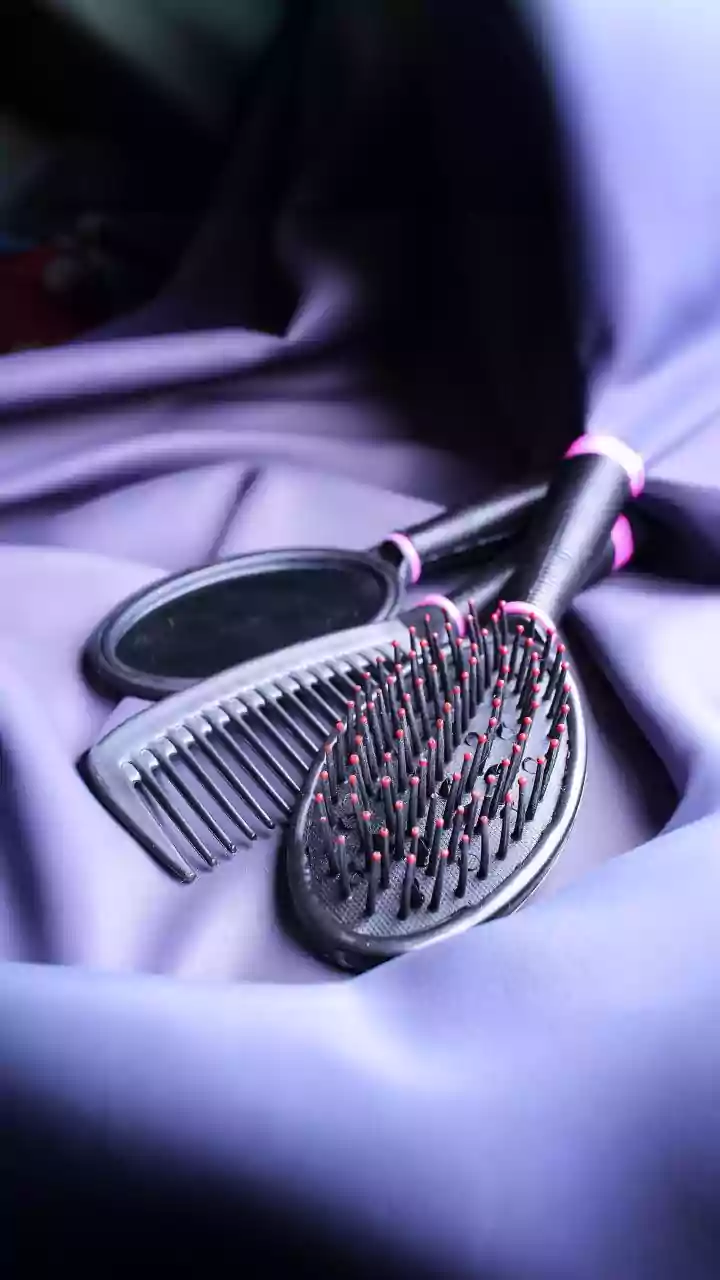
With your double ponytail in place, a few extra steps will ensure it's completely locked in. For added security, especially at the nape of the neck where bumps can form, use bobby pins. A classic trick is to insert two bobby pins vertically on the underside of your ponytail's base, pushing them up into the elastic. This helps prop the ponytail up and keeps it from sagging. You can also criss-cross bobby pins over the base for extra reinforcement. Once you are satisfied with the placement and smoothness, a light mist of a strong-hold hairspray or a small amount of styling gel smoothed over the top and sides will tame any flyaways. This not only creates a sleek, polished look but also adds another layer of hold, keeping every strand in place from your warm-up to your cool-down.
Tips for Different Hair Types
The success of a workout ponytail can often depend on your hair's specific texture and thickness. For those with fine or thin hair, the biggest challenge is slippage. Using texturizing spray is crucial, and employing thinner elastics that can be wrapped multiple times will offer a better grip than one thick band. For thick and heavy hair, the main issue is weight dragging the ponytail down. Using heavy-duty sports ties like Burlybands or a hair bungee is highly recommended. The two-ponytail method is particularly effective for thick hair as it better distributes the weight. If you have very smooth or straight hair that lacks natural grip, avoid applying conditioning products near the roots on workout days, as this can increase slickness and cause the tie to slide.
Preventing Damage and Post-Workout Care
While a tight ponytail is great for the gym, wearing it too often or too tightly can cause stress on your hair follicles, leading to breakage or even traction alopecia. Always use hair ties without metal clasps, which can snag and break strands. Alternate your hairstyles; don't place the ponytail in the exact same spot every day. Consider lower-impact styles like a loose braid or a low bun on rest days to give your scalp a break. When your workout is over, don't just pull the hair tie out, especially from sweaty hair. Gently unwind it to minimize snagging. Never tie your hair up when it is wet, as hair is most fragile in this state and more prone to breaking under tension.