




The Universal Language of Action
The single biggest reason for the action genre's financial dominance is its unparalleled global appeal. Unlike comedy, which relies on culturally specific humor, or drama, which is heavy with nuanced dialogue, action speaks a universal language. A punch,
a chase, or a spectacular explosion is understood just as easily in Mumbai as it is in Minneapolis. This makes action films the perfect product for a globalized Hollywood, where international ticket sales often dwarf domestic earnings. Studios specifically develop projects with an eye toward what will travel well, and that almost always means prioritizing visual spectacle over dialogue-heavy scripts. As a result, top-grossing lists are filled with films that made the majority of their money outside of North America, a testament to action's border-crossing power.
Event Status Through Spectacle
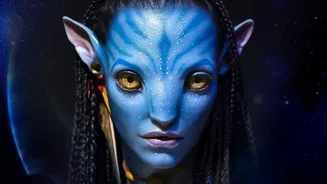
To compete with the convenience of streaming, cinemas now rely on selling experiences you can't get at home. Action films, with their massive budgets and cutting-edge special effects, are the primary drivers of this "event cinema" model. The advent of CGI, 3D, and premium formats like IMAX has turned watching a blockbuster into a sensory experience. James Cameron’s ‘Avatar’ films, for example, became must-see events as much for their groundbreaking visual technology as for their stories. This focus on spectacle creates an urgency to see the film on the biggest screen possible, driving ticket sales and justifying higher prices for premium formats. It transforms a movie from simple entertainment into a cultural moment that audiences feel compelled to participate in.
The Power of the Franchise
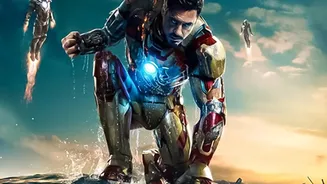
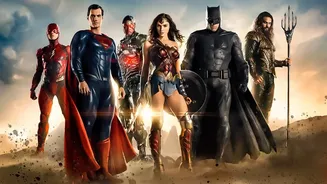
Why take a risk on an original story when you have a built-in audience waiting for the next installment? The franchise model has become Hollywood's most reliable moneymaker. Superhero sagas like the Avengers series and enduring sci-fi like Star Wars prove that familiar characters and interconnected universes build immense loyalty. Each new film acts as a commercial for the next, creating a self-perpetuating cycle of box office success. This strategy minimizes financial risk for studios, as marketing costs are lower for a known property and audience anticipation is already high. Looking at the all-time box office charts confirms this: a huge number of the top films are sequels, prequels, or part of a larger cinematic universe.
Crafting the Four-Quadrant Hit
In industry speak, a "four-quadrant" movie is one that appeals to the four major demographic groups: male and female, and both over and under 25 years old. Action films are frequently engineered to hit this sweet spot. They blend thrilling sequences (traditionally appealing to younger males) with strong character arcs, romance, and relatable heroes that broaden their reach. The goal is to create a film that a whole family or a group of friends with diverse tastes can agree on seeing. This broad appeal is a key component of their strategy, ensuring that the potential audience is as large as possible from the very beginning.
The Evolving Action Star
The face of the action hero has changed significantly, contributing to the genre's continued relevance. The era of the invincible, muscle-bound hero personified by Arnold Schwarzenegger and Sylvester Stallone in the 1980s has given way to a more modern star. Today's biggest action draws, like Dwayne Johnson or Tom Cruise, blend physicality with charisma, humor, and a degree of vulnerability. They are global brands in their own right, with massive social media followings that serve as powerful marketing tools. This evolution has made action heroes more relatable and has allowed the genre to attract a wider, more diverse audience that might have been put off by the hyper-masculinity of the past.