



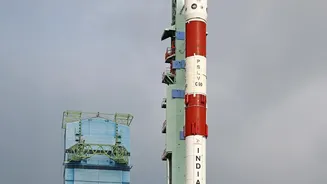
A New Space Age for India
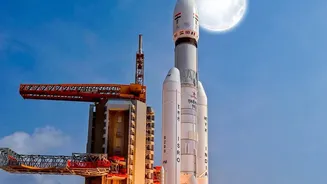
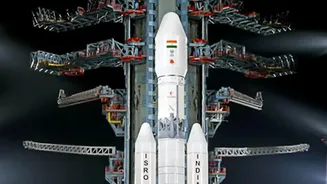
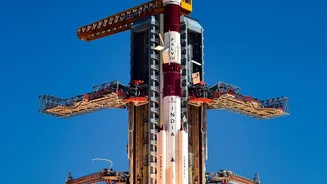
For decades, a career in India’s space sector primarily meant one thing: joining the Indian Space Research Organisation (ISRO). While ISRO remains the proud anchor of the nation's space ambitions, the landscape has fundamentally changed. The government's
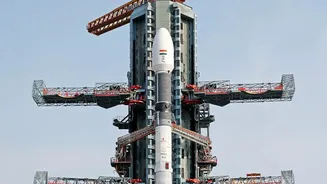
decision in 2020 to open the sector to private enterprise, supported by the creation of the regulatory body IN-SPACe, has ignited a startup boom. Today, there are over 400 private space startups in India, attracting significant investment and creating thousands of jobs. Companies like Skyroot Aerospace, Agnikul Cosmos, and Pixxel are now major players, building everything from launch vehicles to advanced satellite constellations. This shift means the Indian space economy, currently valued at over $8 billion, is projected to expand dramatically, creating a surge in demand for a skilled workforce.
It's Not Just Rocket Science Anymore
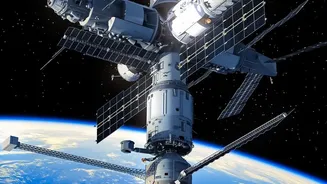
The popular image of a space career involves building rockets or being an astronaut, but the reality of India's new space economy is much broader. The most significant growth is happening in downstream applications and software. This includes satellite communications, Earth observation, and navigation services that impact everything from agriculture and disaster management to urban planning and financial services. The explosion of data from satellites has created a massive need for professionals who can analyse it. This diversification means that opportunities are no longer limited to aerospace engineers; the industry now actively seeks talent from a wide range of academic backgrounds.
The Satellite Data Analyst
One of the fastest-growing roles is the satellite data analyst. These professionals are the interpreters of the vast amounts of information sent back by Earth observation satellites. They use skills in Geographic Information Systems (GIS), remote sensing, and machine learning to turn raw data into actionable insights. For example, a data analyst might monitor crop health for an agritech company, track deforestation for an environmental agency, or assess infrastructure projects for urban planners. Students with backgrounds in computer science, environmental science, or geography are finding a strong footing in this domain. Companies like Pixxel and SatSure are at the forefront, hiring analysts to build products for a global clientele.
The Aerospace Software Developer
Modern spacecraft are sophisticated computers flying through space, and every mission depends on flawless software. Aerospace software engineers are in high demand to develop everything from the on-board flight software that controls a satellite to the ground systems that manage missions. They work on autonomous navigation systems, mission-planning algorithms, and data processing pipelines. Strong skills in programming languages like C++ and Python, along with experience in embedded systems, are highly sought after. As private companies launch entire constellations of satellites, the need for robust, secure, and intelligent software has become a critical bottleneck, making this a lucrative and stable career path.
The Space Policy and Law Expert
As the space sector becomes more crowded with private players, the need for rules of the road is paramount. This has created a demand for space law and policy experts. These professionals help navigate the complex world of international treaties, national regulations, launch licensing, and liability for space debris. They might work for a startup seeking regulatory approval from IN-SPACe, a law firm advising on satellite spectrum allocation, or a government body shaping the future of space governance. A background in law, public policy, or international relations, combined with a deep understanding of the space domain, can open doors to this unique and influential field.
The New-Age Space Engineer
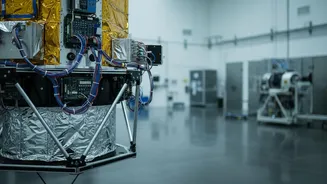
While traditional aerospace engineering remains vital, the profile of an engineer in the new space industry is evolving. There is a growing need for specialists in cutting-edge fields like space robotics, 3D printing for manufacturing rocket components, and developing advanced materials that can withstand the harsh environment of space. Propulsion engineers at companies like Agnikul Cosmos and Bellatrix Aerospace are pioneering new engine technologies, while systems engineers at Dhruva Space work on integrating complex satellite components. These roles require a strong foundation in mechanical, electrical, or materials science engineering, coupled with a passion for innovation and problem-solving.