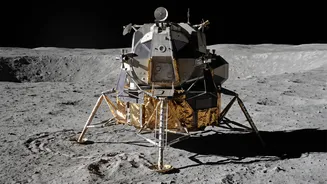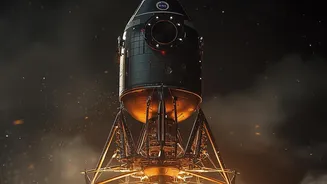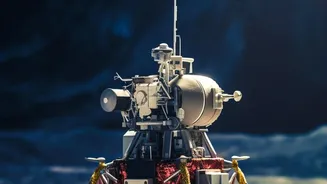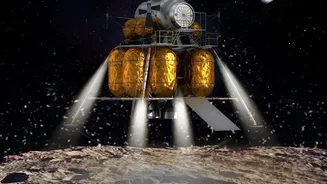

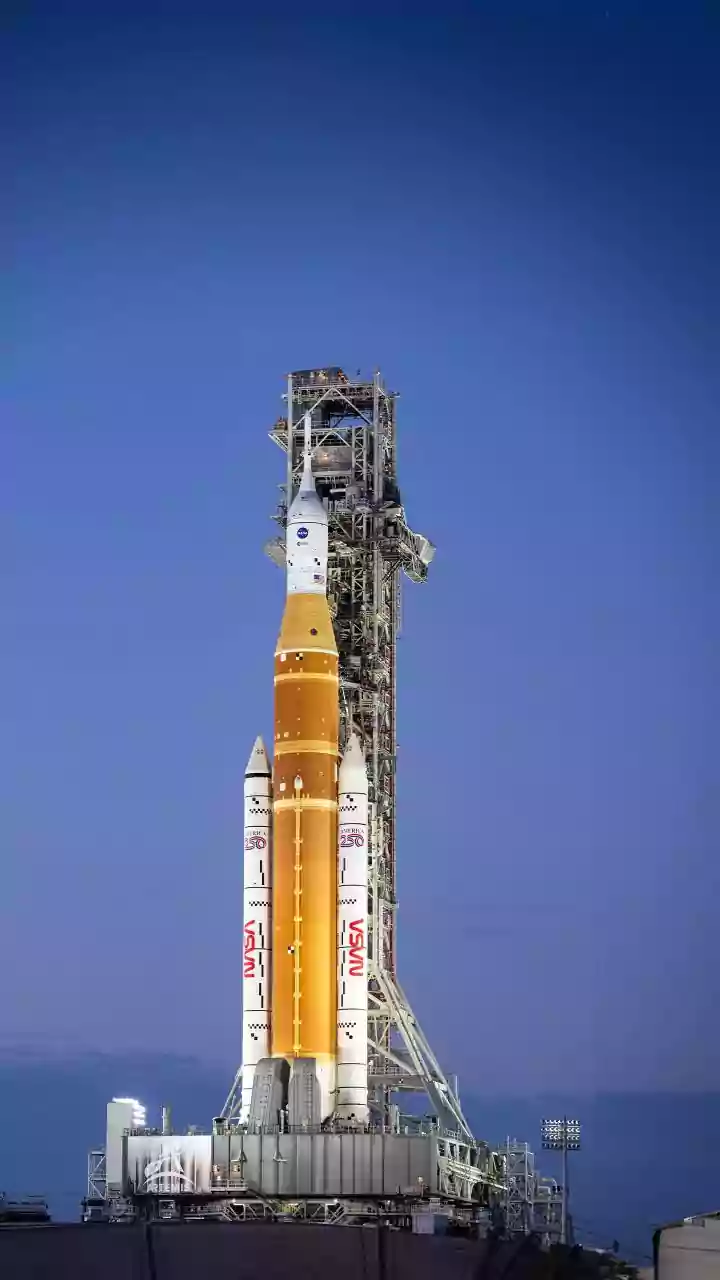


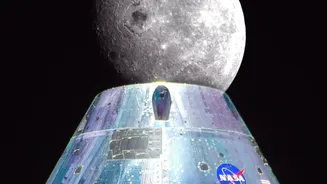
NASA's historic Artemis program aims to return humans to the Moon, with a landing planned for 2028. But to touch down on the lunar surface, astronauts need a ride, and the selection of that all-important vehicle remains a critical open question.
A Reshuffled Mission Plan
The journey
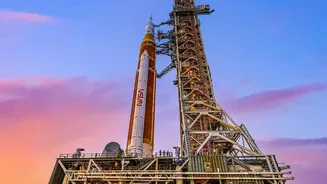
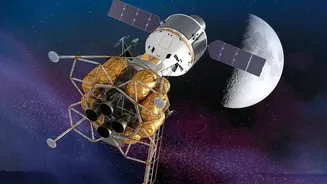
back to the Moon has seen a few detours. Originally, the Artemis III mission was slated to be the historic lunar landing. However, in late 2026, NASA revamped its strategy to prioritize safety and ensure technical readiness. The Artemis III mission, now targeted for 2027, will serve as a full-scale dress rehearsal in low Earth orbit. During this flight, astronauts will practice docking the Orion spacecraft with test versions of landers from both SpaceX and Blue Origin. This change pushes the actual landing to the Artemis IV mission, now scheduled for early 2028, making it the first time humans will walk on the Moon since the Apollo 17 mission in 1972.
The Two Key Contenders
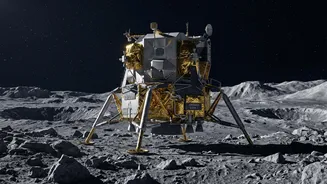
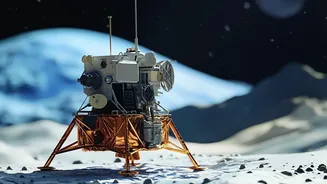
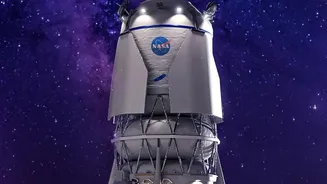
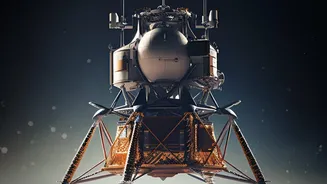
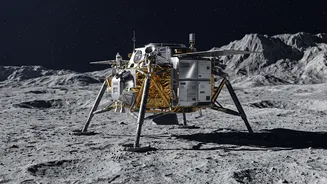
The competition to build the vehicle for this momentous landing has come down to two American aerospace giants: Elon Musk's SpaceX and Jeff Bezos' Blue Origin. SpaceX is developing its Starship Human Landing System (HLS), a massive, futuristic vehicle that is a modified version of its Starship rocket. Blue Origin, leading a 'National Team' with partners like Lockheed Martin, is developing its Blue Moon lander. Both companies received contracts from NASA to develop their landers, fostering a competitive environment designed to spur innovation and provide redundancy. Under the revised plan, neither company has been formally assigned the 2028 landing mission. Instead, NASA will decide which lander is ready first and best suited for the historic flight.
Why No Decision Has Been Made
The decision to delay the final lander assignment is a strategic one, born from a desire to maximize the chances of success for the 2028 target. By keeping both SpaceX and Blue Origin in development and setting up the Artemis III mission as an orbital test, NASA is essentially holding a final-round audition. The agency will assess which vehicle performs better, which company meets its development milestones, and which presents a lower risk profile for the actual landing. This approach creates a powerful incentive for both companies to perform at their best while giving NASA flexibility. If one provider encounters significant technical issues or delays, the other can potentially step in to keep the overall Artemis timeline on track.
The High-Stakes Engineering Race
Both lander concepts present immense but different engineering challenges. The SpaceX Starship requires a complex sequence of in_orbit refueling missions to fill its tanks for the journey to the Moon. How many tanker launches will be needed is a subject of debate, with estimates varying, but it remains a critical, unproven capability. The Blue Origin Blue Moon lander avoids in_space refueling for the landing itself but relies on multiple launches of its own powerful New Glenn rocket to get its lander and transfer stages into position. Both companies have faced their own development hurdles, including launch pad explosions and the inherent difficulties of creating next_generation spacecraft. The performance of each company in upcoming tests, including the Artemis III orbital demonstration, will be crucial in NASA's final decision.
What This Means for the Return to the Moon
This deliberate 'wait and see' approach from NASA underscores the monumental challenge of returning to the Moon. It's a calculated strategy to mitigate risk in a high_stakes endeavor. While the headline suggests a delay or uncertainty, NASA frames it as a move to strengthen the program and increase the probability of a safe and successful 2028 landing. The competition ensures that two of the most well_resourced private space companies are racing to solve one of the hardest problems in exploration. The ultimate winner will not only gain a hugely prestigious contract but will also earn the distinction of carrying the first astronauts to the lunar surface in over half a century.