





The Case for Green, Unripe Bananas
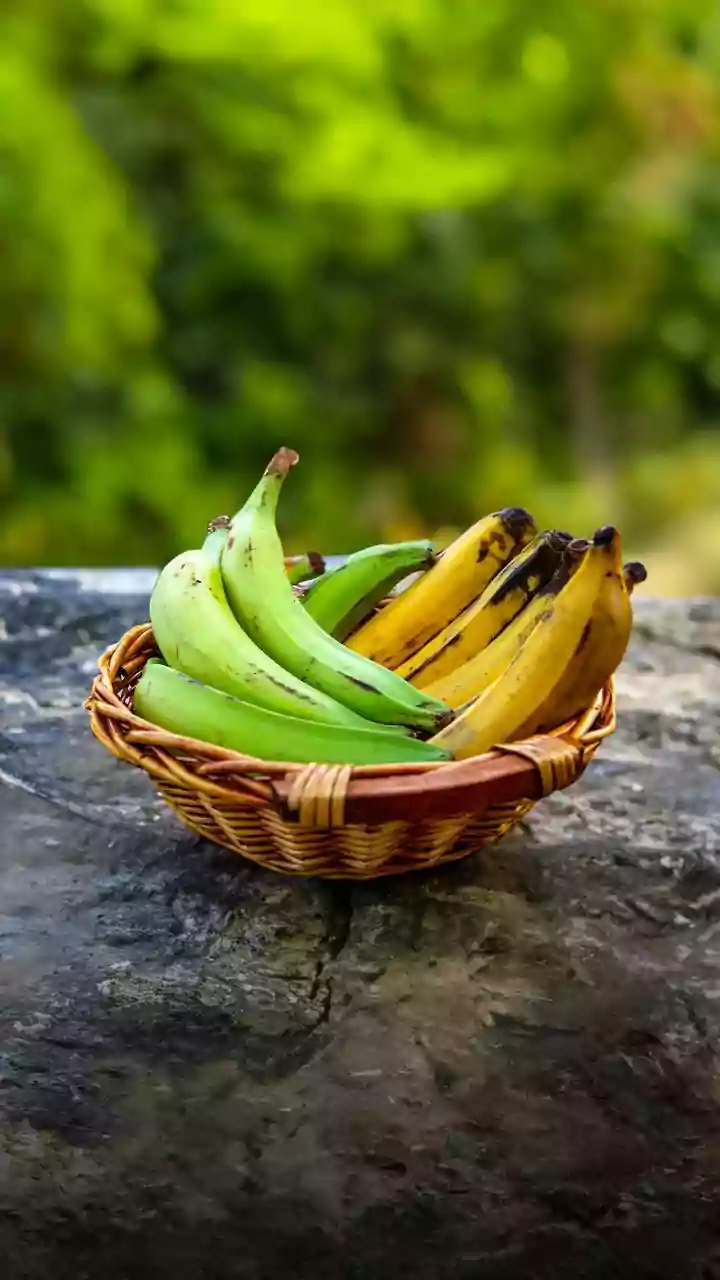
If you're managing blood sugar or focused on gut health, the green banana is your friend. Unripe bananas are packed with resistant starch, a type of carbohydrate that, as its name suggests, 'resists' digestion in the small intestine. Instead of breaking
down into sugar and being absorbed quickly, it travels to the large intestine where it acts as a prebiotic, feeding the good bacteria in your gut. This process is great for overall colon health and can make you feel fuller for longer, which may aid in weight management. The slow release of energy means a lower glycemic index, preventing sharp spikes in blood sugar levels. This makes them a more suitable choice for individuals with type 2 diabetes. The trade-off is the taste and texture; green bananas are firmer, less sweet, and can have a slightly bitter or waxy taste. Some people might also find them a bit harder to digest, potentially causing gas or bloating initially due to their high resistant starch content.
The Appeal of Yellow, Ripe Bananas
As a banana ripens, its nutritional profile changes significantly. The resistant starch breaks down and converts into simple sugars like sucrose, glucose, and fructose. This is why yellow bananas are noticeably sweeter and softer. This higher sugar content makes them an excellent source of quick energy, ideal for a pre-workout snack or a midday boost. Because the starches are already broken down, ripe bananas are generally easier to digest for most people. Furthermore, the ripening process increases the level of antioxidants in the fruit. Antioxidants are beneficial compounds that help fight off cellular damage in the body. While the core vitamins and minerals like potassium and Vitamin B6 are present in both types, they can become more bioavailable, or easier for the body to absorb, as the banana matures. The downside, of course, is the higher sugar content, which can cause a more rapid increase in blood sugar compared to its greener counterpart.
Why Fibre is Always the Hero
The headline of the banana story isn't just about starch and sugar; it’s also about fibre. While unripe bananas are celebrated for their resistant starch (which acts like fibre), it's important to know that both green and yellow bananas are a good source of dietary fibre. As a banana ripens, the type of fibre changes. The tough, structural pectin in green bananas, which helps them hold their shape, breaks down, making the fruit softer. A medium-sized banana provides about 3 grams of fibre, which is about 10% of the recommended daily intake. This fibre is crucial for maintaining a healthy digestive system, ensuring regular bowel movements, and contributing to that feeling of fullness, which helps control overall calorie intake. A study from the USDA showed that while the type of fibre changes dramatically with ripening, a meaningful amount is present at each stage. So, whether you choose green or yellow, you are still getting a beneficial dose of this essential nutrient.
Portion Control Remains Queen
Regardless of its colour, a banana is still a banana, and portion size is a factor that cannot be ignored. Bananas are more calorie-dense than many other fruits. A single medium-sized banana contains around 105-110 calories and about 27-29 grams of carbohydrates. For most healthy individuals, one to two bananas per day is considered a moderate and healthy intake. However, if you are closely monitoring your carbohydrate intake or blood sugar levels, the size of the banana matters. A very large banana can have a significantly greater effect on blood sugar than a small one, an effect known as glycemic load. Health organisations like the UK's NHS and the American Heart Association generally define one portion of fruit as one medium banana. The simple takeaway is this: while the ripeness affects the type of carbohydrates you consume, the total amount is determined by the size of the fruit you eat. Moderation is the key to enjoying the many benefits bananas have to offer without overdoing it on calories or sugar.