


An Annual Celestial Fireworks Show
Every year in mid-August, Earth passes through the dusty trail of Comet 109P/Swift-Tuttle. This comet, which takes 133 years to orbit the sun, leaves behind a stream of debris. When these tiny particles, many no bigger than a grain of sand, slam into
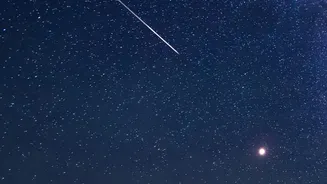
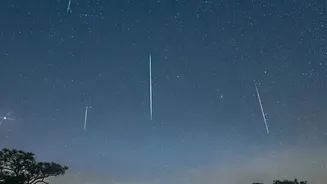
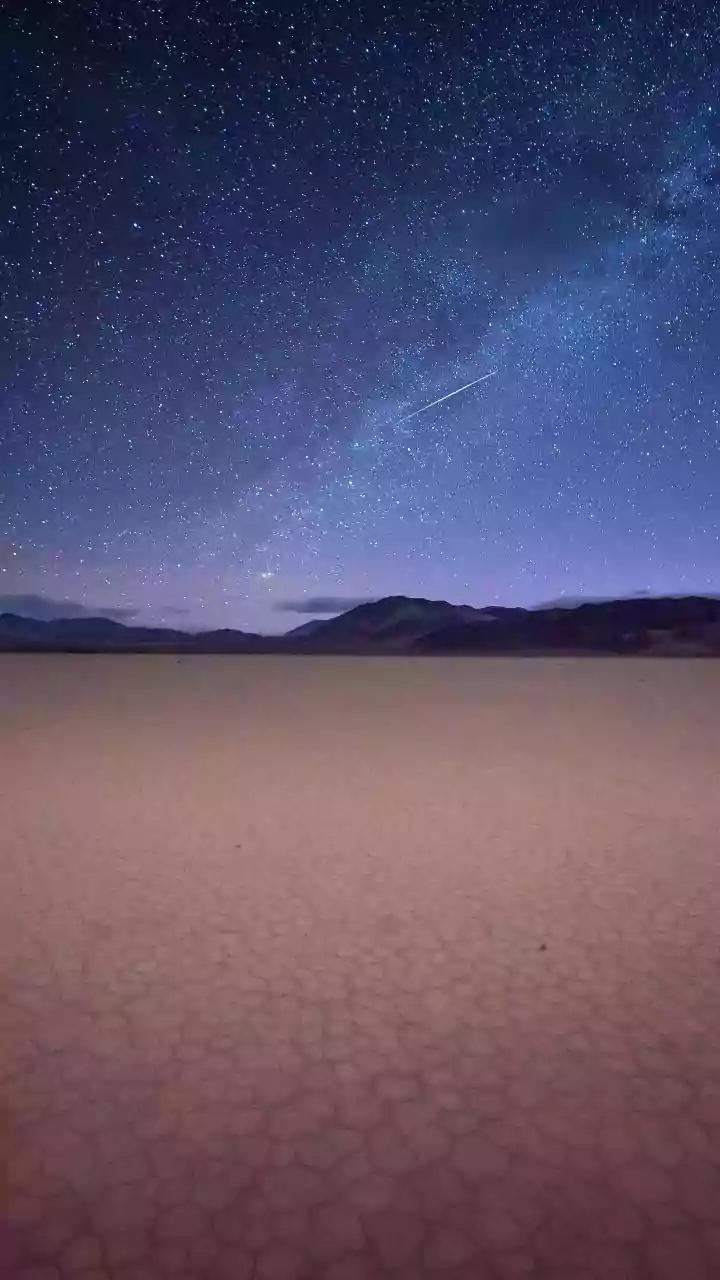
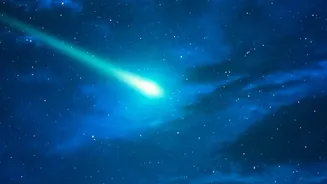
our atmosphere at incredible speeds, they burn up and create brilliant streaks of light we call meteors, or shooting stars. This event is known as the Perseid meteor shower, named because the meteors appear to radiate from the constellation Perseus. It's one of the most popular and reliable meteor showers of the year, famous for producing fast, bright meteors and even the occasional fireball—a larger, more spectacular explosion of light.
Why 2026 Is a Perfect Year for Stargazing
For any meteor shower, the biggest source of natural light pollution is the Moon. A bright moon can wash out the sky, making it impossible to see the fainter meteors. This year, however, the conditions are ideal. The shower's peak on the night of August 12-13 coincides perfectly with a new moon. With the Moon completely absent from the night sky, viewers will be treated to the darkest possible conditions, allowing even the faintest shooting stars to be seen. Under these perfect circumstances, observers in dark, clear locations could see between 50 and 100 meteors per hour during the peak.
The Great Monsoon Challenge
While the heavens are aligning for a perfect show, the weather on Earth presents the main challenge for most observers in India. Mid-August is the height of the southwest monsoon, which means heavy cloud cover is likely across large parts of the country, from Mumbai to Delhi and Bengaluru. A thick blanket of clouds can completely block the view, rendering the perfect lunar conditions useless. Success will depend almost entirely on finding a break in the weather. This makes checking local, short-term weather forecasts absolutely essential for anyone hoping to catch a glimpse of the shower. Even a forecast of 'partly cloudy' can be tricky, as there's no guarantee the clear patches will appear during the key viewing hours.
How and When to Watch
The Perseids will be active from mid-July to late August, but the best time to watch will be on the peak night of August 12, into the early morning hours of August 13. While you can start looking as soon as it gets dark, the show gets better as the night progresses. The prime viewing window in India is from about 2:00 AM to 4:30 AM IST on August 13. During these pre-dawn hours, the meteor shower's radiant point in the Perseus constellation is higher in the sky, and the Earth is rotating into the meteor stream, increasing the number of visible meteors. You don't need any special equipment like a telescope or binoculars; in fact, they will only limit your field of view. The best tool is simply your eyes.
Tips for a Successful Viewing
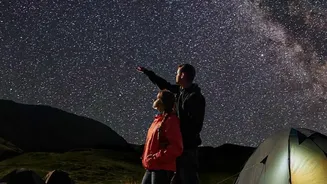
To maximize your chances, get as far away from city lights as you can. Find a wide-open space with an unobstructed view of the sky. Give your eyes at least 15-20 minutes to fully adjust to the darkness; this means putting your phone away. Get comfortable on a reclining chair or a blanket on the ground, lie back, and simply look up. While the meteors radiate from the northeast, they can appear anywhere in the sky, so a broad view is best. Patience is key—there might be lulls in activity followed by several meteors in quick succession. Some regions in India offer a better chance of beating the clouds. High-altitude, rain-shadow areas like Ladakh and Spiti Valley, or arid regions like the Rann of Kutch and parts of Rajasthan, are often recommended destinations for a clearer view during the monsoon.