





A Return to Ancient Wisdom
The renewed fascination with fermented foods isn't just about taste; it's a revival of ancient practices perfectly suited for modern wellness goals. The monsoon season, with its high humidity and increased risk of infections, has historically been a time
when digestive systems are vulnerable. For centuries, Indian households turned to fermentation as a natural way to preserve food and boost health. This process enhances the nutritional profile of ingredients, making them easier to digest and increasing the bioavailability of vitamins and minerals. Today, as people prioritise immunity and gut health, these traditional foods are being recognised for what they've always been: a potent, natural source of probiotics. This 'back-to-roots' movement is seeing a blend of nostalgia and science, as younger generations rediscover the profound wisdom held in their grandparents' kitchens.
The Monsoon's Perfect Culinary Partners
The connection between monsoons and fermentation is practical and profound. Traditionally, the rainy season meant a limited supply of fresh vegetables and a higher risk of food spoilage. Fermentation offered a brilliant solution, transforming perishable items into flavourful, long-lasting staples. The process naturally creates an environment rich in beneficial bacteria, which helps fortify the gut and strengthen immunity during a time when the body is more prone to illness. Ayurvedic principles also highlight that the body's digestive fire, or 'Agni,' is weaker during the monsoon. Light, warm, and fermented foods like idli, dhokla, and kanji are considered ideal as they are pre-digested by microbes, making them gentle on the stomach while providing essential nutrients.
A Gastronomic Tour of India's Ferments
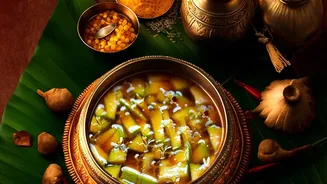
This revival is not monolithic; it's a vibrant tapestry of regional specialities. In the South, pazhamkanji—fermented rice gruel—is being celebrated again as a superfood packed with Vitamin B12. It's a simple, cooling breakfast that provides sustained energy. In the East and Northeast, foods like gundruk (fermented leafy greens) and sinki (fermented radish taproot) are staples that offer a unique, tangy flavour profile and a wealth of minerals. Western India boasts dhokla and the lesser-known kurdi, a fermented wheat snack. Meanwhile, in the North, the tangy probiotic drink kanji, made from black carrots, remains a seasonal favourite. Even everyday staples like homemade dahi, buttermilk (chaas), and traditional pickles (achaar) are being appreciated anew for their gut-friendly properties.
More Than Just a Health Trend
While the health benefits are a major driver, the resurgence of fermented foods is also about reclaiming cultural identity and flavour. These foods connect people to their heritage, family recipes, and the agricultural cycles of their region. In a world of processed foods, the complex, pungent, and sour notes of a naturally fermented dish offer a unique sensory experience. This trend also champions sustainability; fermentation is a low-energy preservation method that reduces food waste by using surplus produce. It encourages the use of local, seasonal ingredients, from bamboo shoots in Sikkim to black carrots in North India, fostering a deeper connection to the land. Eating these foods is not just about nourishing the body, but also about preserving culinary traditions and embracing an eco-conscious way of life.