





Why Eat Seasonally?
Focusing on seasonal produce offers numerous benefits. Vegetables harvested at their peak are often more flavorful and nutrient-dense, as they haven't spent long periods in transit or storage. This peak availability also means they are more abundant in local
markets, which naturally drives down their cost, helping you save money. Furthermore, eating with the seasons provides your diet with a natural variety of vitamins and minerals throughout the year, supporting overall health. During India's monsoon season in July, vegetables like various gourds, okra, and corn are at their best.
The Versatile Bottle Gourd (Lauki)
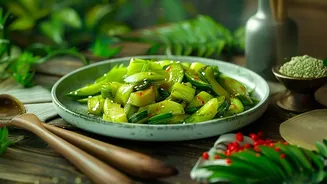
Bottle gourd, or lauki, is a monsoon favourite for a reason. With its high water content, it's incredibly light, hydrating, and easy to digest. It's also low in calories and rich in nutrients like Vitamin C, B vitamins, and potassium, which helps in managing blood pressure. For a simple lunchbox sabzi, peel and chop 250g of lauki. In a pan, heat a tablespoon of oil, add cumin seeds, a pinch of turmeric, and finely chopped ginger. Sauté for a minute, then add the lauki, salt to taste, and a little red chilli powder. Cover and cook on low heat until tender, without adding extra water. The lauki releases its own moisture. This simple preparation pairs perfectly with rotis and is a classic comfort meal that’s both healthy and economical.
Quick and Easy Okra (Bhindi)
Okra, known as bhindi, is another vegetable that flourishes in the warm, humid monsoon weather. It's a staple in Indian lunchboxes because it holds up well and doesn't become soggy. For a quick and non-slimy bhindi fry, the trick is to ensure the okra is completely dry before chopping. Wash and thoroughly pat dry 250g of bhindi, then slice it. Heat two tablespoons of oil in a pan over medium-high heat. Add the bhindi and stir-fry for about 12-15 minutes until it is cooked, slightly crisp, and no longer sticky. Then, add spices like turmeric, coriander powder, amchur (dry mango powder) for tanginess, and salt. Mix well and cook for another two minutes. This simple stir-fry is a delicious and hassle-free side dish for any tiffin.
Colourful and Sweet Corn
Corn is widely available during the monsoon and offers a sweet, crunchy element to any meal. It's a good source of dietary fibre and phytochemicals that promote healthy vision. A simple masala corn is a fantastic lunchbox addition that kids and adults love. You can use fresh, frozen, or canned corn kernels. In a pan, melt a little butter or oil, and add a pinch of cumin seeds. Once they sizzle, add about a cup of boiled corn kernels. Sauté for a few minutes, then add salt, a pinch of chaat masala, and a squeeze of lemon juice. For a more substantial meal, you can mix this masala corn with cooked rice to make a simple corn pulao or even form it into tikkis.
Sturdy Snake Gourd (Padwal)
Snake gourd, or padwal, is another excellent monsoon vegetable. Like bottle gourd, it has a high water content, making it cooling and easy on the stomach. Its neutral flavour allows it to absorb spices beautifully. A simple and nutritious way to prepare it for a lunchbox is a light stir-fry. After peeling and removing the seeds, chop the snake gourd into small pieces. Heat oil in a pan, add mustard seeds, cumin seeds, and a pinch of asafoetida (hing). Add chopped onions and sauté until translucent. Then add the snake gourd, turmeric, salt, and a bit of red chilli powder. Cover and cook until the vegetable is soft. You can also add a tablespoon of soaked chana dal along with the snake gourd for added protein and texture. This makes for a wholesome and balanced sabzi.