



Why Sprinklers Are a Problem in Winter
Overhead watering, which mimics rainfall, might seem natural, but it's often inefficient and even harmful for potted plants, especially in cooler weather. When you use a sprinkler or a hose to spray from above, much of the water evaporates before it even reaches
the soil. More importantly, this method leaves foliage wet for extended periods. In the cool, damp conditions of winter, wet leaves create the perfect environment for fungal diseases like powdery mildew and blight to take hold. Furthermore, overhead watering often fails to saturate the soil deeply, encouraging shallow root growth and leaving the deeper roots thirsty. This can lead to a weak plant that is more susceptible to stress from cold and dryness.
The Undeniable Benefits of Direct Soil Watering
The solution is simple and effective: deliver water directly to the base of the plant. This technique, also known as deep watering or soil drenching, ensures that moisture gets exactly where it's needed most—the root zone. By avoiding the leaves, you drastically reduce the risk of fungal infections that thrive on damp foliage. Direct watering is also far more efficient, conserving water by minimizing evaporation. This method encourages the plant to develop a deep, robust root system, making it more resilient and stable. A strong root system is a plant's best defense against the stresses of winter, from drying winds to fluctuating temperatures.
How to Water Your Balcony Plants Correctly
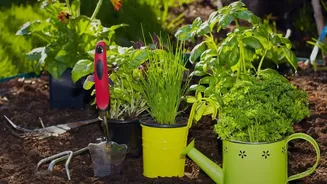
Mastering direct watering is easy. The best tool for the job is a watering can with a long, thin spout, which allows you to reach the soil surface beneath the foliage without splashing the leaves. Water the plant thoroughly until you see excess moisture begin to flow out of the pot's drainage holes. This ensures the entire root ball is saturated. After watering, it's crucial to empty any saucer or tray beneath the pot. Allowing a pot to sit in standing water is a direct invitation to root rot, a condition where roots suffocate and decay in waterlogged, oxygen-poor soil. This is one of the most common killers of container plants.
Adjusting Your Watering Frequency for Winter
In winter, plants grow much slower and evaporation is lower, so they need significantly less water than in the summer. Overwatering is a major risk during this season. Don't water on a fixed schedule. Instead, always check the soil moisture first. A simple way to do this is to insert your finger about two inches into the soil. If it feels dry at that depth, it's time to water. If it's still moist, wait a few more days and check again. For many balcony plants in an Indian winter, this might mean watering just once a week or even less, depending on the pot size and local weather.
Winter Watering Tips for Indian Climates
Indian winters vary greatly, but the core principles remain the same. In the milder winters of southern and western India, plants may remain more active and require more frequent watering than in the colder north. However, the 'check first' rule always applies. Potted plants are more exposed to temperature swings than those in the ground, as the small soil volume loses heat quickly. To protect roots, try grouping pots together to create a warmer microclimate. On days when a frost is expected, watering in the afternoon can be beneficial. The moist soil retains daytime warmth and releases it slowly overnight, which can help protect the roots from freezing. Use water that is at room temperature, as ice-cold water can shock the plant's root system.