






The End of Predictable Excess
For years, festive gifting in India followed a familiar script. Diwali, Christmas, and New Year celebrations often involved the exchange of large, opulent hampers filled with a standard assortment of sweets, dry fruits, and imported chocolates. While
generous, these gifts were often impersonal, leading to a cycle of re-gifting, especially with items like the ubiquitous 'soan papd' box. This culture of excess, however, is now giving way to a more conscious approach. Consumers are increasingly questioning the utility and waste associated with these large, generic gifts, paving the way for a more thoughtful and tailored gifting experience.
Defining the 'Mindful' Gift
Mindful gifting is a move away from transactional exchanges toward gifts that carry emotion, story, and purpose. It’s a trend rooted in consciousness—about the planet, personal well-being, and the relationship between the giver and the recipient. Instead of focusing on the price tag or size, the emphasis is on the thought behind the gift. This manifests in a preference for products that are useful, sustainable, or aligned with the recipient’s lifestyle and values. A recent survey showed that a significant number of consumers are exploring alternatives to conventional edible gifts, turning instead to wellness products, home goods, and other items with longer-term use.
Personalisation Is the New Premium
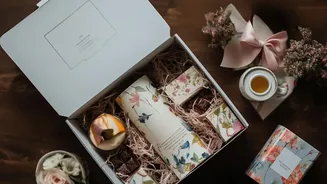
A key driver of this shift is the powerful desire for personalisation. A custom gift is seen as more meaningful because it shows genuine effort and a deep understanding of the recipient's tastes. This trend goes beyond just adding a name; it’s about curating a collection of items that reflect an individual's specific interests. This could be a hamper with artisanal coffee for a connoisseur, a set of organic skincare for a wellness enthusiast, or a box of gourmet snacks for a foodie. This demand for bespoke experiences has been a boon for direct-to-consumer (D2C) brands and local artisans, who excel at creating these unique and customised offerings.
The Rise of Wellness and Sustainability
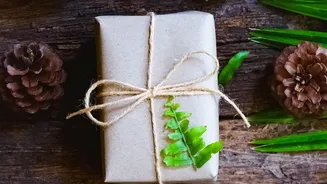
The global movements toward wellness and sustainability are heavily influencing festive gifting in India. Health-conscious consumers are actively moving away from sugar-laden sweets. This has created a surge in demand for hampers filled with healthier alternatives like herbal teas, organic honey, and healthy food products. Simultaneously, growing environmental awareness has made eco-friendly hampers a major trend. These gifts feature products made from sustainable materials like bamboo and jute, come in reusable packaging, and often include items like indoor plants or natural, chemical-free soaps. This aligns with the consumer desire for gifts that are not just good for them but also good for the planet.
A Boost for Small and Niche Brands
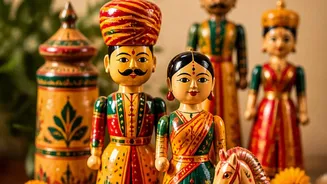
This evolving landscape has opened up significant opportunities for a new generation of D2C brands and small businesses. These agile companies are tapping into the demand for mindful and personalised products that larger, mass-market players often overlook. By focusing on niche categories like handmade artisan goods, organic wellness products, and eco-friendly items, they are able to tell a compelling story that resonates with modern consumers. The rise of e-commerce and social media has made it easier for these brands to connect directly with shoppers, particularly a younger demographic that values authenticity and uniqueness in their purchases.