


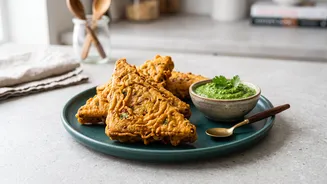
The Soul of the Snack: Nailing the Besan Batter
The secret to that signature crunch begins and ends with the batter. A common mistake is making it too thick or too runny. You're aiming for a smooth, lump-free batter with a consistency that evenly coats a spoon without being gloopy. To achieve this,
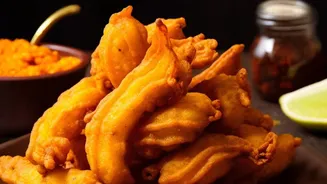
whisk gram flour (besan) with spices like ajwain (carom seeds), turmeric, red chilli powder, and a pinch of asafoetida (hing). Gradually add water while whisking continuously. For an extra-crispy texture, many street vendors and chefs add a tablespoon or two of rice flour or cornflour to their besan. Another pro-tip is to add a pinch of baking soda and a spoonful of hot oil to the batter just before frying; this helps the pakora puff up and become lighter and crunchier. Let the batter rest for 15-20 minutes to allow the flour to hydrate properly.
The Heart of the Matter: The Aloo Filling
A great bread pakora is defined by its filling. The classic street-style version uses a spicy and tangy potato (aloo) masala. Start by boiling potatoes until they are just cooked through, not mushy. Overcooked potatoes will release too much moisture and make the bread soggy from the inside. Once boiled, let them cool completely before mashing or grating them. For the flavour, create a tadka by heating a little oil and tempering it with cumin seeds, crushed coriander seeds, and finely chopped ginger and green chillies. Add this to the mashed potatoes along with spices like amchur (dry mango powder) for tanginess, garam masala, and plenty of fresh coriander leaves. Mix everything well, but don’t overwork the potatoes. The filling should be flavourful and relatively dry.
Assembly and the Art of Frying
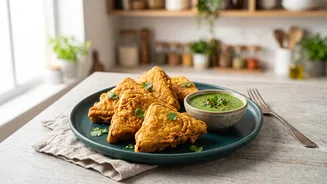
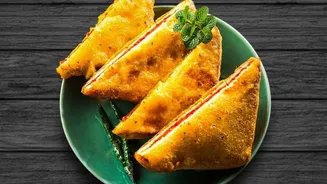
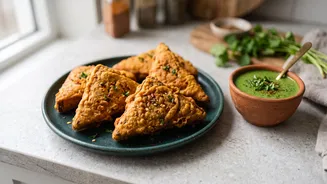
Proper assembly is crucial. Many street vendors apply a layer of green coriander chutney on one slice of bread and a tangy tamarind chutney or tomato ketchup on the other. This adds another dimension of flavour. Spread a generous but even layer of the cooled potato filling, place the other slice on top, and press gently. Cut the sandwich diagonally into two triangles. Now, it's time to fry. Heat oil in a kadai over a medium flame. The temperature is critical. If the oil is not hot enough, the pakoras will absorb too much oil and become greasy. If it's too hot, the batter will cook too quickly, leaving the inside undercooked. To test, drop a small bit of batter into the oil; it should sizzle and rise to the surface steadily. Dip a stuffed bread triangle into the batter, ensuring it's coated evenly on all sides, and let any excess drip off before carefully sliding it into the hot oil.
Achieving That Golden, Crispy Finish
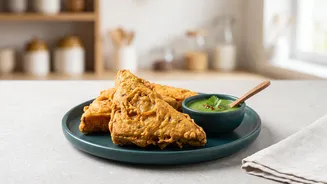
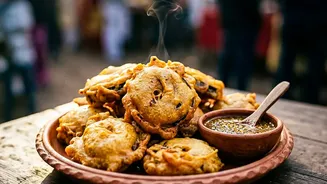
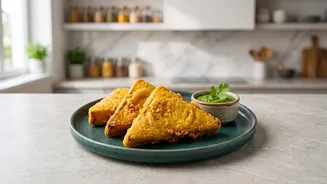
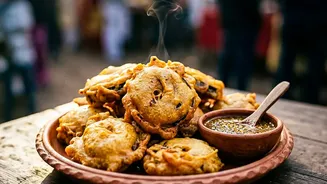
Fry the pakoras on a medium flame, and don't overcrowd the pan. This allows the temperature to remain stable and ensures even cooking. Let the pakora fry undisturbed for a minute or two until the bottom is golden, then flip it gently. Continue frying, flipping occasionally, until both sides are a deep golden brown and crisp. This process ensures the batter cooks through completely, resulting in a crunchy exterior. Once done, remove the bread pakora from the oil and place it on a wire rack or a plate lined with paper towels to drain any excess oil. This final step is important for preventing a greasy finish and maintaining that satisfying crunch. Serving them immediately while hot is the best way to enjoy them, just like you would on the street.