






The Kitchen’s Hidden Climate
Every time you boil pasta, simmer a curry, or pan-sear vegetables, you release more than just delicious aromas into your home. You also release significant amounts of heat and water vapour. This combination raises the kitchen's ambient temperature and relative
humidity, creating a distinct microclimate. Without proper ventilation, this warm, moist air gets trapped, lingering long after you’ve finished eating. Over time, this accumulation turns your cooking space into an ideal incubator for microscopic life. The US Environmental Protection Agency reports that indoor pollution levels can be two to five times higher than outdoors, and cooking is a major contributor. This isn't just about lingering food smells; it's about the air quality you and your family breathe every day.
A Perfect Breeding Ground for Microbes
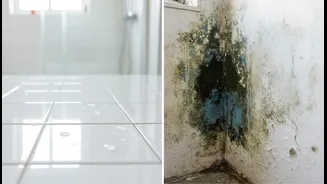
Most common foodborne pathogens and spoilage organisms, like certain bacteria and moulds, thrive in warm conditions. Research shows that many microbes experience optimal growth between 25-40°C. When you add high humidity—generally above 60%—you've created the perfect recipe for them to multiply. These organisms aren’t picky; they find nutrients in microscopic grease particles, food splatters, and even dust. The steam from cooking can condense on cooler surfaces like walls, windows, and inside cabinets, providing the moisture needed for mould spores to grow. Studies have shown that increased ventilation and reduced humidity significantly decrease bacterial growth. In one study, increasing ventilation was found to be even more effective at reducing bacteria than just lowering humidity alone.
How Your Exhaust Fan Fights Back
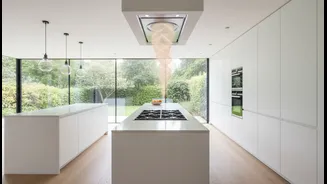
Your kitchen exhaust fan, or range hood, is designed for exactly this battle. It performs a crucial function known as spot ventilation. Its primary job is to capture the contaminated air directly at the source—the stovetop—and expel it outside. As the fan draws out the hot, humid, and grease-laden air, it creates negative pressure, which in turn pulls cooler, drier air into the kitchen from the rest of the home. This air exchange is vital. It not only removes the immediate pollutants generated by cooking but also works to lower the overall temperature and humidity, making the environment far less hospitable for microbial growth. For this to work effectively, the fan must be ducted to the outdoors; recirculating fans that only filter and release air back into the kitchen are less effective at removing heat and moisture.
Operating Your Fan the Smart Way
Simply having an exhaust fan isn't enough; using it correctly is what makes the difference. 'Smart' operation is about timing and duration. For maximum effectiveness, turn on the fan before you start cooking to create an airflow pattern. Keep it running throughout the cooking process and, most importantly, leave it on for 15-20 minutes after you’ve finished. This crucial post-cooking period allows the fan to clear out any residual steam and heat that would otherwise settle. Some modern systems, sometimes called 'smart' switches, can even automate this process with delay timers that automatically shut the fan off after a set period. This 'set it and forget it' approach ensures your kitchen is properly ventilated even after you've moved on to other things.
Maintenance for a Healthier Home
A smart strategy also includes regular maintenance. The filters in your exhaust fan—whether mesh or baffle—are designed to trap grease particles. If these filters become clogged, the fan's efficiency plummets. It can’t move air effectively, and the trapped grease itself can become a food source for microbes. Check and clean your fan’s filters regularly, following the manufacturer's instructions. For many models, the filters can be easily washed in the sink or dishwasher. Also, ensure the exterior vent flap isn't blocked by leaves, nests, or paint, as this would trap the exhausted air inside the ductwork. A clean, unobstructed ventilation system is key to maintaining good indoor air quality and preventing the buildup of flammable grease, a leading cause of home cooking fires.