






An Experience-First Generation
For decades, mainstream entertainment in India was largely synonymous with cinema. While that pillar still stands strong, a significant cultural shift is underway, driven by a young population that increasingly prioritizes experiences over possessions.
A 2026 report highlighted that young Indians are spending more on travel and entertainment, with a particular hunger for live, immersive events. This isn't just about seeing a favourite artist; it's about being part of a collective moment, a cultural pilgrimage that generates social currency and lasting memories. This demand is fueled by rising disposable incomes and unprecedented global exposure through the internet, creating a fertile ground for a live music boom. The numbers back it up: India's live events market is projected to grow significantly, with some estimates suggesting a compound annual growth rate of over 17%.
The Festival Effect
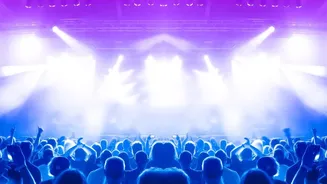
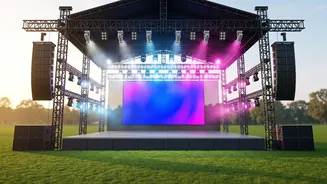
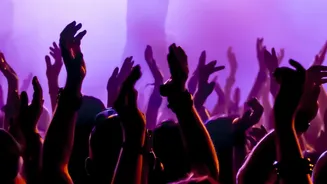
Nowhere is this change more visible than in the rise of large-scale music festivals. Events like Lollapalooza India, NH7 Weekender, and Sunburn have become cultural phenomena, attracting tens of thousands of fans who often travel across cities. These festivals are more than just a series of concerts; they are multi-day, multi-sensory worlds complete with art installations, curated food experiences, and brand activations. This evolution reflects a change in audience expectations. Today’s attendees aren’t just passive viewers; they seek immersion and participation. Festivals have become powerful platforms for self-expression, particularly through fashion and social media, where every outfit and crowd shot becomes a piece of content, extending the event’s life far beyond the festival grounds. Brands have taken notice, moving beyond simple sponsorships to create integrated experiences that become part of the festival itself.
The New Concert Economy
The impact of this concert boom extends far beyond ticket sales, creating a powerful ripple effect across the economy. A new segment of 'event tourists' has emerged, with a 2026 survey revealing that 62% of India's Gen Z plan to travel for concerts. These fans often spend significantly more on travel, accommodation, and food than on the ticket itself. A case study on Coldplay's 2025 concerts in Ahmedabad estimated a total economic impact of ₹641 crore, with 86% of attendees travelling from outside the city. This influx boosts local hospitality, transport, and F&B sectors, creating employment and driving growth. The entire live entertainment ecosystem—from production crews and sound engineers to security and artist management—is experiencing unprecedented expansion, solidifying India's position as a key stop on global tour schedules.
Growing Pains and the Road Ahead
This rapid growth is not without its challenges. The industry is facing significant structural hurdles, including a scarcity of world-class venues capable of hosting large audiences, especially in Tier 2 and Tier 3 cities. This creates an 'hourglass' effect: many small bars and massive festival grounds, but very little in between. Issues like crowd management, security breaches, and inflated ticket prices due to scalping have also surfaced at recent events, highlighting that the operational ecosystem is still maturing. While the influx of international stars brings excitement, it also puts pressure on ensuring that a diverse range of domestic artists continues to find space and thrive. The live scene remains vibrant but somewhat dispersed and unorganized in certain segments, which can hinder the professional growth of both artists and planners. Successfully navigating these growing pains will be crucial for ensuring the long-term, sustainable growth of India's live music revolution.