






What's Behind the Homestay Hype?
The travel landscape in India is undergoing a significant transformation. For years, hotels were the default choice, but a growing desire for authentic, personal, and private experiences is driving a shift. Travellers, especially millennials and Gen Z,
are no longer content with standardized rooms and buffet breakfasts. They seek connection, culture, and comfort, something boutique homestays are perfectly positioned to offer. This trend, accelerated since the pandemic, is rooted in a desire for safer, less crowded environments and more meaningful travel. Instead of just visiting a place, people want to immerse themselves in it, and a homestay provides that window into local life that a commercial hotel often cannot.
The Magic of a Monsoon Getaway
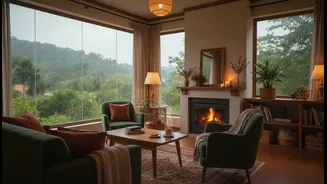
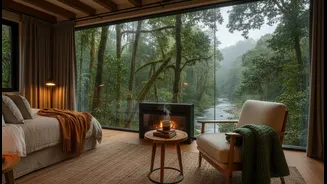
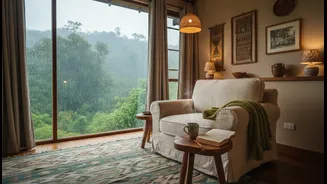
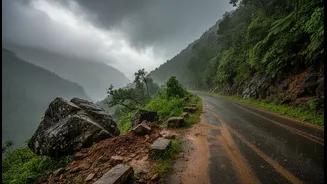
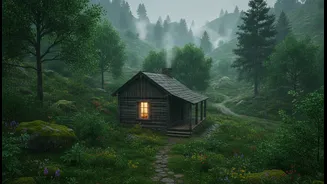
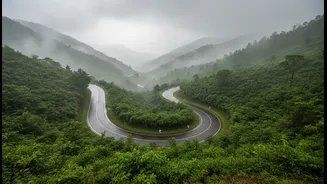
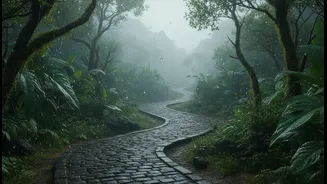
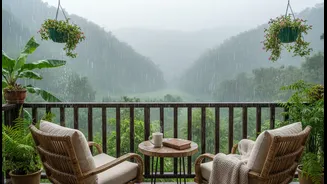
The monsoon season, once considered the off-season for travel, is being rebranded as the perfect time for a cozy, introspective getaway. Imagine sipping tea on a veranda overlooking a lush, rain-washed valley, the only sound being the pitter-patter of rain on the roof. This is the experience drawing people to homestays in regions like the Western Ghats, the Himalayan foothills, and coastal states like Kerala and Goa. The rains transform these landscapes into vibrant green paradises, making destinations like Coorg, Munnar, and Chikmagalur particularly enchanting. Homestays during this season offer a front-row seat to nature's drama, turning a rainy day from an inconvenience into the main attraction.
More Than Just a Place to Stay
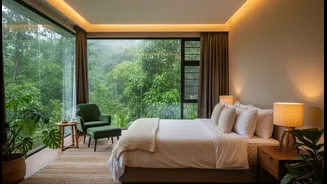
So, what makes a homestay 'boutique'? It's the unique blend of professional hospitality and personal touch. These properties are often design-led, housed in heritage bungalows, restored family homes, or architecturally unique villas. Unlike larger hotels, they offer curated experiences. The host often acts as a local guide, recommending hidden gems and facilitating activities like plantation walks, cooking classes with the family, or village tours. This focus on experiential travel allows guests to engage deeply with the local culture, cuisine, and community. The experience becomes less about the transaction of booking a room and more about creating lasting memories.
A Sustainable and Slower Choice
The rise of homestays also aligns with a growing consciousness around sustainable and 'slow' travel. By choosing a homestay, travellers are often directly contributing to the local economy, as the revenue stays within the community, supporting local families and artisans. Many homestays are inherently eco-friendly, using local materials, practicing rainwater harvesting, or serving farm-to-table meals not as a trend, but as a way of life. This model encourages a slower pace of travel, where the goal isn't to rush through a checklist of sights, but to relax, disconnect, and genuinely experience a place. It's a shift from being a tourist to being a temporary local.
Where to Find These Hidden Gems
This boom is not confined to one region. In the south, the coffee estates of Coorg and Chikmagalur in Karnataka, and the tea gardens of Munnar and Wayanad in Kerala, are hotspots for monsoon homestays. In Maharashtra, the hills of Lonavala, Panchgani, and Mahabaleshwar offer lush retreats close to Mumbai and Pune. The hinterlands of Goa, away from the crowded beaches, come alive with greenery, offering a different side of the state. Further north, the foothills around Shimla and in Uttarakhand provide misty mountain escapes with stunning valley views. The key is to look for properties that offer more than just a bed, but an experience tailored to the unique beauty of the season.