

The Sun's Turbulent Peak
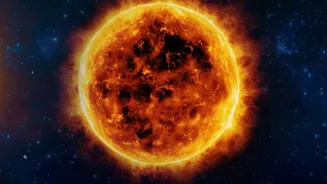
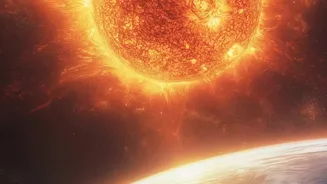
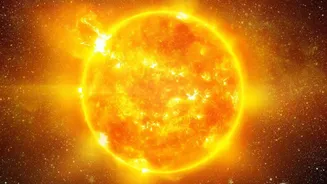
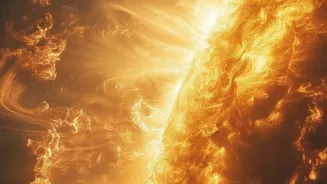
Our sun operates on an approximately 11-year cycle, swinging from periods of calm to intense activity. The peak of this activity is called the 'solar maximum'. While the headline points to 2026, scientific bodies like NASA and NOAA now suggest the peak of the current
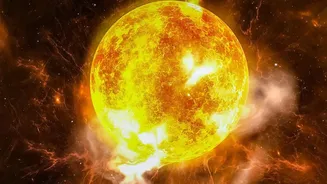
cycle, Solar Cycle 25, began in late 2024 and is expected to last for a year or more. This doesn't mean the danger is over after that; some of the most powerful solar storms have occurred during the cycle's declining phase. During this maximum, the sun becomes a hotbed of activity, producing more sunspots, powerful solar flares, and enormous eruptions called coronal mass ejections (CMEs). Solar flares are intense bursts of radiation that can reach Earth in about eight minutes, while CMEs are giant clouds of charged particles that travel slower, taking one to three days to arrive.
Satellites in the Firing Line
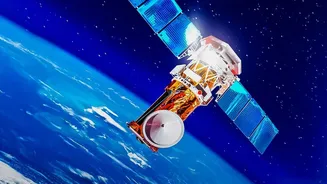
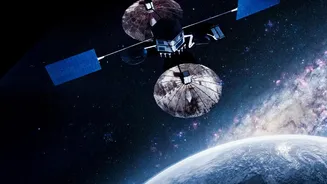
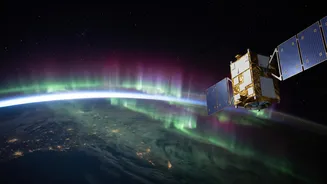
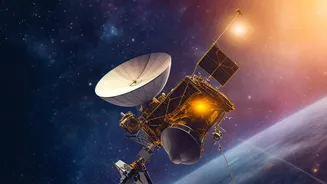
When this severe space weather hits Earth, our planet's magnetic field protects us on the ground, but satellites in orbit are highly vulnerable. There are three main ways the solar maximum threatens them. First, CMEs heat Earth's upper atmosphere, causing it to expand. This increases the atmospheric drag on satellites in low-Earth orbit, slowing them down and causing their orbits to decay. If not corrected, they risk re-entering the atmosphere prematurely. Second, high-energy particles from solar events can penetrate and damage sensitive satellite electronics. This can cause 'single-event upsets'—flipping a data bit from a 0 to a 1—which might force a satellite into a protective 'safe mode' to await instructions from the ground, temporarily halting its operations. Third, the events can cause surface charging, where electrical charge builds up on a satellite's exterior, leading to discharges that can damage components.
The Real-World Ripple Effect
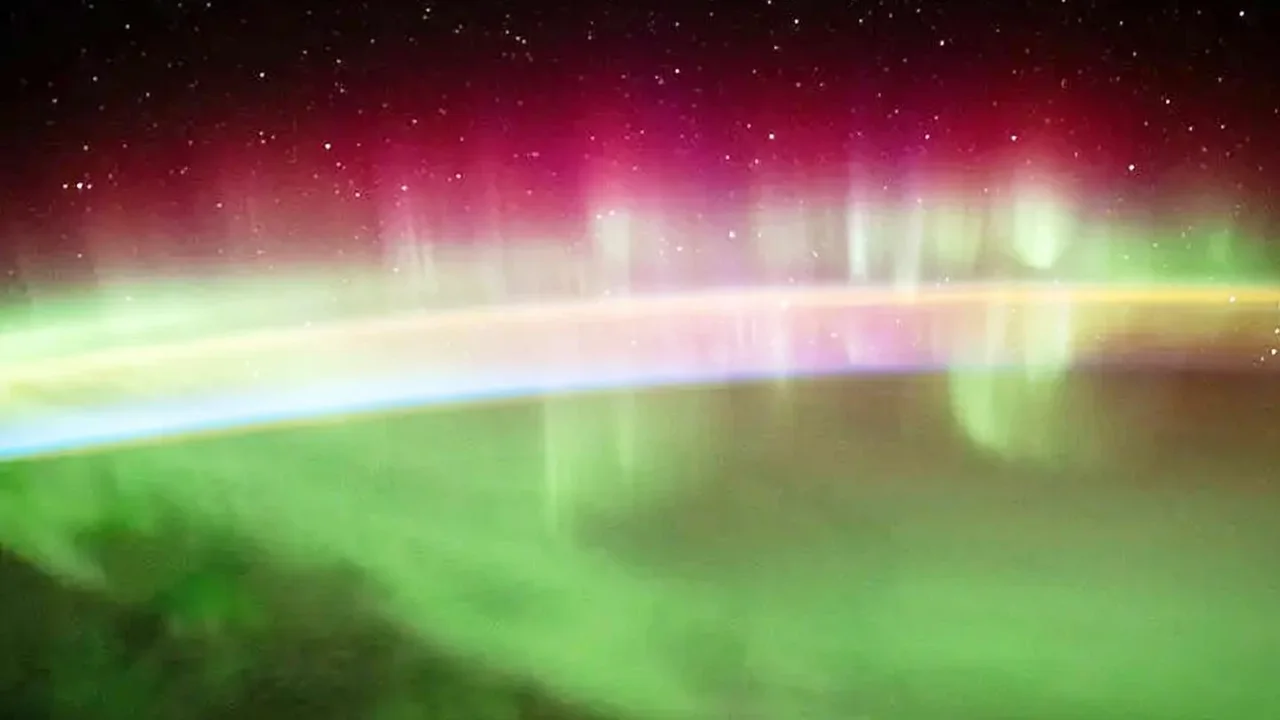
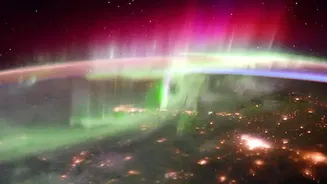
So, what does a 'satellite blackout' actually mean for us in India? It’s not just about losing your TV signal during a cricket match. A disruption to the Global Navigation Satellite System (GNSS), which includes GPS, could have widespread consequences. Navigation apps for cars and delivery services would fail. More critically, the precise timing signals from GPS are essential for many parts of our digital economy, including banking transactions and managing the electrical power grid. Radio blackouts caused by solar flares can disrupt high-frequency radio communications used by aircraft and ships. In a worst-case scenario, a powerful geomagnetic storm, caused by a CME interacting with Earth's magnetic field, can induce extra currents in ground-based power grids, potentially leading to widespread outages.
A Race Against the Storm
The good news is that we are not flying blind. Agencies like NOAA's Space Weather Prediction Center constantly monitor the sun and issue forecasts and warnings. Satellite operators use these warnings to take protective measures. They can put spacecraft into a safe mode, which minimises non-essential operations to protect the instruments. Some operators can even pre-emptively raise a satellite's orbit to counteract the effects of increased atmospheric drag. For critical infrastructure, many satellites are built with radiation-hardened electronics to better withstand the harsh environment of space. Looking further ahead, scientists are even exploring futuristic concepts like 'StormWall', a proposed system of satellites that could release plasma to fortify Earth's magnetic shield and soften the blow of an incoming solar storm.