


Bringing a succulent home is exciting, but the fear of killing it with kindness—specifically, too much water—is real. Forget rigid schedules. The secret is learning to read your plant's simple cues to know exactly when it's thirsty.
Why Less Is Always More
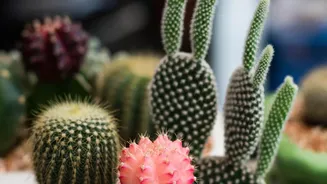
Succulents are desert
natives, brilliantly designed to survive in arid environments. Their thick, fleshy leaves, stems, and roots are not just for show; they are tiny water tanks. This built-in reservoir system means they thrive on a cycle of drought followed by a deep drink, not constant moisture. The most common mistake new owners make is watering too often. Unlike tropical houseplants, succulent roots are highly susceptible to rot if they sit in wet soil for more than a few days. Understanding this fundamental principle is the first step: your goal is not to keep the soil moist, but to water thoroughly only when the plant truly needs it.
The 'Bone-Dry' Soil Test
Before you even look at the plant, check the soil. This is the most reliable first step. Do not water if the soil is even slightly damp. Succulents need their soil to dry out completely between waterings. The easiest way to check is by sticking your finger about two inches into the soil. If you feel any moisture, wait. For smaller pots, you can also test the soil's moisture through the drainage hole at the bottom. Another simple trick is to use a dry wooden chopstick or skewer; insert it deep into the pot, and if it comes out clean and dry, it is likely time to water. If it comes out with dark, moist soil clinging to it, hold off for a few more days.
Reading the Leaves for Thirst
If the soil is completely dry, your next step is to look at the leaves. A thirsty succulent will give you clear visual cues. The leaves will lose their plump, firm feel and may look slightly deflated or wrinkled. They might feel a bit soft or bendable to the touch, unlike the turgid feel of a well-hydrated leaf. This happens as the plant begins to draw on the water stored in its leaves. Do not panic when you see this; it is simply your plant’s way of telling you it is ready for a drink. These signs are your green light to water thoroughly, knowing the plant is ready to absorb it.
How to Water Correctly
When you have confirmed the soil is dry and the leaves are thirsty, it is time to water properly. Use the 'soak and dry' method. This means watering the soil deeply until water runs freely out of the drainage hole. This ensures the entire root system gets access to moisture. Water the soil directly, and try to avoid letting water sit on the leaves or in the centre of the plant rosette, as this can encourage rot. After watering, make sure to empty any excess water from the saucer. A succulent should never be left sitting in a tray of water. This deep but infrequent watering method successfully mimics the natural rainfall patterns these plants are adapted to.
Recognising the Signs of Overwatering
It is just as important to know the signs of too much water. Unlike the fine wrinkles of a thirsty plant, an overwatered succulent's leaves will appear soft, mushy, and may even look translucent or yellowish. They might drop off at the slightest touch. These are symptoms of the leaf cells bursting from absorbing too much water. If you notice these signs, or a foul odour from the soil, rot has likely set in. Immediately stop watering and ensure the plant gets plenty of air circulation to help the soil dry out. Catching it early is key to saving an overwatered plant.