





The Great Monsoon Divide
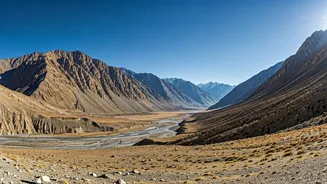
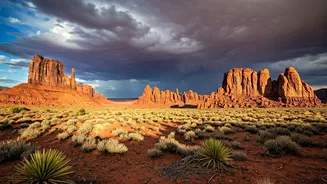
Imagine this: It’s July, and cities across India are drenched. The air is thick with humidity, and the sky is a permanent shade of grey. Now, picture a place with crisp mountain air, deep blue skies, and a warm sun that lights up a stark, beautiful landscape.
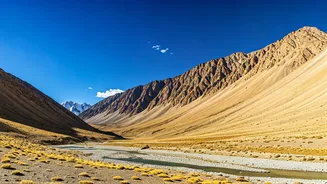
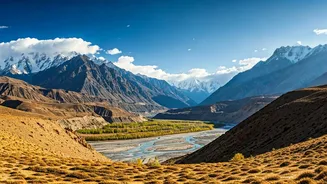
That place is Spiti Valley in Himachal Pradesh. While the rest of the country navigates puddles and plans around downpours, Spiti thrives in its driest and most accessible season. This isn't magic; it's a fascinating quirk of geography that makes Spiti a unique monsoon-season destination.
The Science of the Rain Shadow
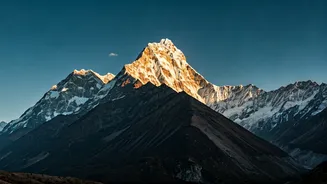
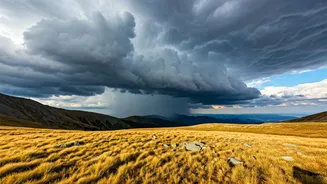
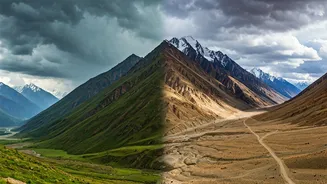
The secret to Spiti's dry summer lies in a phenomenon called the 'rain shadow effect'. Think of the mighty Himalayas as a colossal wall. As the moisture-laden monsoon clouds travel north from the Indian Ocean, they run straight into this mountain barrier. Unable to go through it, the clouds are forced to rise. As they gain altitude, the air cools, and the moisture condenses, falling as heavy rain on the southern, windward slopes – areas like Kullu and Manali. By the time this air mass finally crests the high peaks and descends into Spiti on the other side, it has lost almost all of its moisture. This dry, descending air actually warms up and absorbs any remaining moisture, creating an arid or semi-arid region. Spiti lies perfectly in this 'shadow' cast by the Himalayas.
Himalayan Gatekeepers
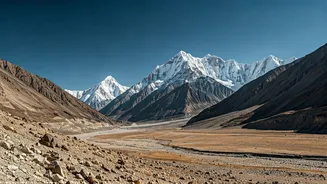
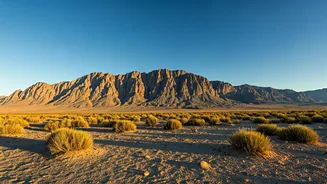
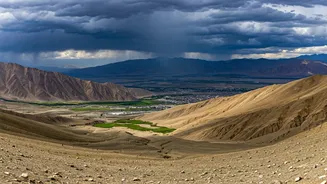
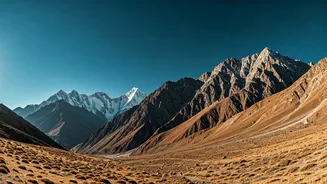
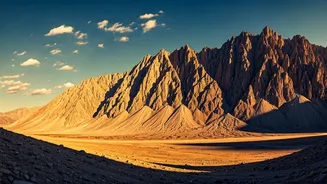
It’s not just one mountain range at play. Spiti is strategically sandwiched between the Great Himalayan Range to the south and the Tibetan Plateau to the north. The Pir Panjal and Great Himalayan ranges act as the primary gatekeepers, blocking the southwest monsoon clouds from ever reaching the valley. This makes Spiti a high-altitude cold desert, with an average annual rainfall of only about 170 mm, a tiny fraction of what other Himalayan hill stations receive. This extreme climate has sculpted a unique landscape of barren mountains, deep gorges, and scant vegetation, often compared to the moon or Tibet.
A Traveler's Paradise in July
This lack of rain makes July arguably the best time to explore Spiti. The weather is pleasant, with daytime temperatures that are warm and sunny, perfect for sightseeing. Key monasteries like Key, Tabo, and Dhankar are fully accessible, their ancient walls set against stunningly clear skies. The roads within the valley are generally clear, and high passes like Kunzum La, which connect Spiti to Lahaul, are typically open. While the approach roads to Spiti, especially from Manali or Shimla, can face monsoon-related challenges like landslides, the valley itself remains a safe and dry sanctuary. This unique weather window allows for trekking, photography, and cultural immersion without the worry of a washout.
Life in a Cold Desert
The rain shadow effect doesn't just define Spiti's travel season; it shapes life itself. The arid climate means agriculture is challenging and depends entirely on the meltwater from winter snow and glaciers. This has fostered a resilient culture, with communities clustered in villages that appear as shocking green patches in an otherwise russet-brown landscape. The architecture, the food, and the Tibetan Buddhist culture are all adaptations to this high-altitude desert environment. Visiting in July offers a glimpse into this incredible human and ecological resilience, where life has learned to thrive not just in spite of the harsh conditions, but because of them.