





The New Urban Jungle
Across India’s metropolises, a quiet rebellion is underway against sterile, high-maintenance gardens. Urban dwellers are trading exotic, ornamental plants for species that are indigenous to their region. This shift is not just about aesthetics; it's a move
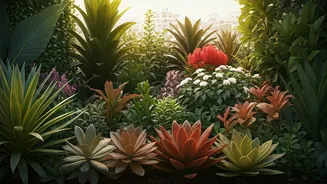
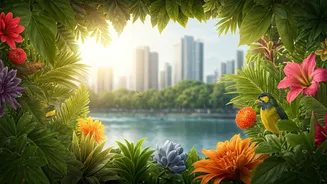
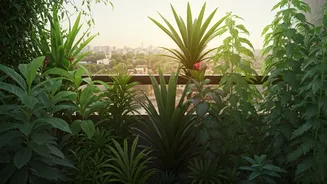
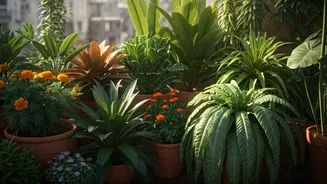
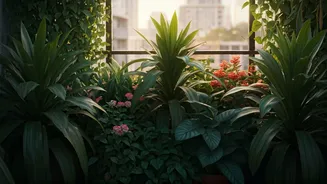
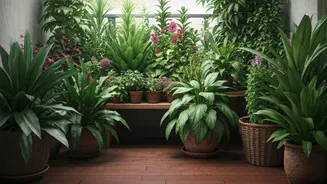
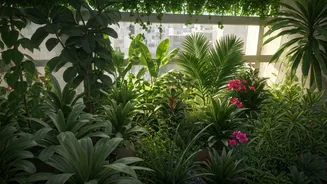
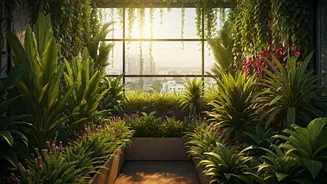
towards a more sustainable and engaged way of living in a concrete world. Balconies, windowsills, and rooftops are being transformed into lush pockets of native vegetation, reflecting a desire to reconnect with nature amidst rapid urbanisation. This trend, often called 'rewilding' on a domestic scale, prioritises ecological function and natural beauty over the curated perfection of foreign species.
Why Go Native?
The appeal of native plants is rooted in their practicality and resilience. Having evolved in local conditions for millennia, they are naturally adapted to the specific climate, soil, and rainfall patterns of a region. This means they require significantly less water, fewer pesticides, and minimal fertiliser compared to non-native varieties. For busy urbanites, this translates to lower maintenance and reduced costs. Plants like Tulsi (Holy Basil), Neem, and Curry Leaf are not only hardy but also have deep cultural and medicinal significance in India, adding another layer of value. Choosing native species is a practical choice for a sustainable lifestyle, reducing the household's carbon footprint and exposure to harmful chemicals.
A Boost for Local Biodiversity
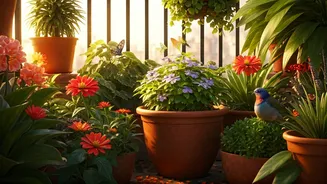
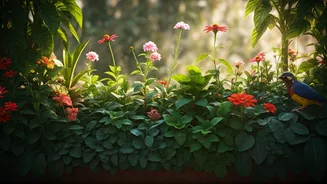
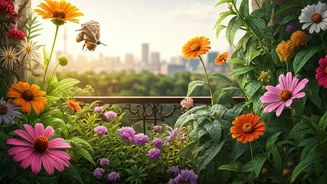
Perhaps the most magical aspect of this trend is the return of local wildlife. Native plants provide the specific food and shelter required by indigenous insects, birds, and butterflies. Planting a native Hibiscus, Mogra, or Aparajita (Butterfly Pea) can turn a simple balcony into a crucial 'stepping stone' for pollinators navigating the fragmented city landscape. These small green corridors help support and sustain local ecosystems, which are often threatened by urban sprawl and the prevalence of invasive exotic species like Lantana. By creating these microhabitats, city gardeners become active participants in conserving biodiversity and restoring a bit of the wild to urban environments.
Your Native Starter Kit
Starting your own native garden is simpler than you might think. Many indigenous species thrive in pots and require minimal care. For a sunny balcony, consider vibrant flowering plants like Marigold (Genda), Ixora, or Indian Laburnum. For fragrance, nothing beats the intoxicating scent of Mogra (Arabian Jasmine) or Parijat (Night-flowering Jasmine) in the evenings. Herbs like Tulsi, Curry Leaf, and Indian Borage are perfect for kitchen gardens, offering both flavour and medicinal benefits. Climbers such as Aparajita (Blue Pea) and Madhavi Lata can create beautiful, dense screens of foliage and flowers. Supporting local nurseries that specialise in native species is a great first step.