





Remember 'revenge travel'? That frantic, post-lockdown rush to go anywhere, at any cost, just to make up for lost time. For a while, the frenzy cooled. But the term is back in conversations, and the reasons have evolved significantly.
A Quick Trip Down Memory Lane
The first wave of
revenge travel was a direct, emotional response to the COVID-19 pandemic. After months, or even years, of cancelled plans and restricted movement, people were desperate to reclaim their freedom. It was a global phenomenon defined by a burning desire to make up for lost time, often leading to spontaneous, splurge-heavy 'splurge-cations'. Travellers booked flights and hotels with a feverish urgency, packing into popular hotspots and prioritising the act of 'going' over the specific destination. The 'revenge' was against the pandemic itself—a defiant act to reclaim a sense of normalcy and adventure.
The New Wave: Slower, Smarter, and More Intentional
So why are we talking about it again? The chaotic rush may be over, but the deep desire to travel has not disappeared—it has simply matured. Experts are now pointing to a 'Revenge Travel 2.0', which is less about escaping confinement and more about purposeful planning. This new phase is driven not by a reaction to lockdowns, but by a conscious decision to prioritise meaningful experiences in the face of ongoing economic and global uncertainty. While the initial wave was defined by impulse, a 2026 trend report noted that 71% of travellers now plan to book their trips at least two months in advance, signalling a clear shift towards intentionality.
From 'Anywhere' to 'Somewhere Meaningful'
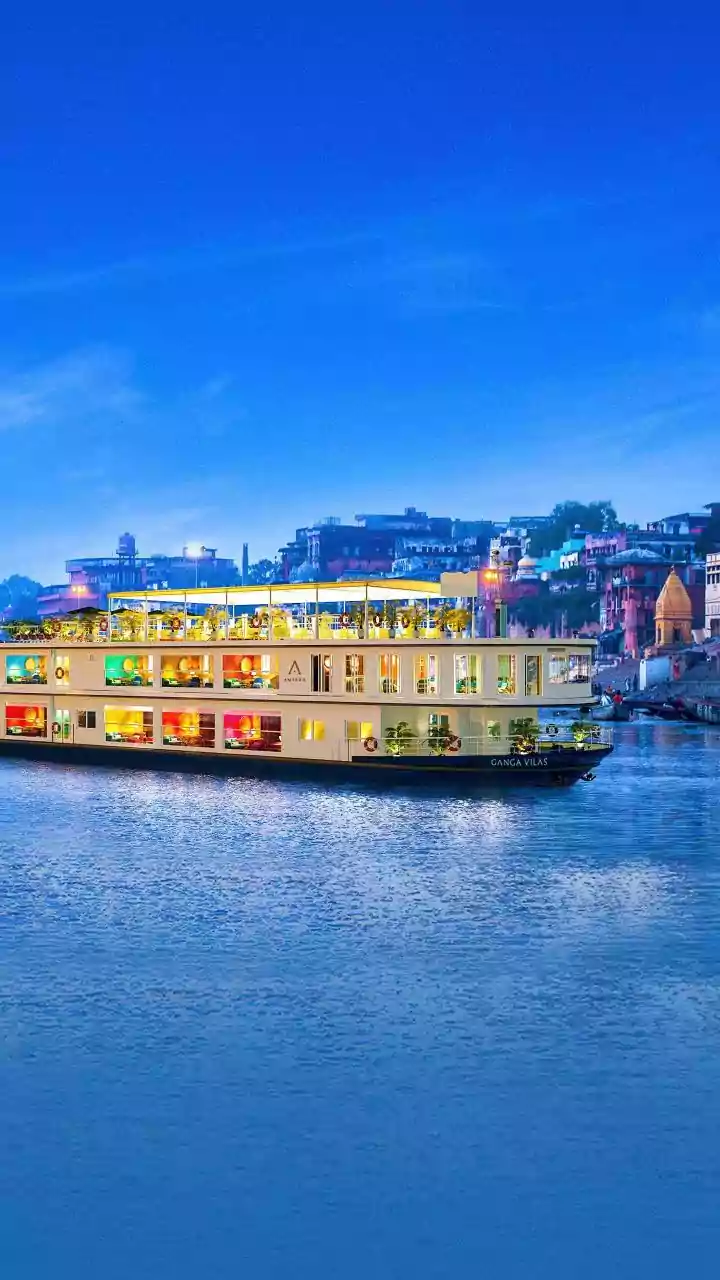
The key difference in this renewed trend is the 'why'. The first wave was about freedom; this second wave is about fulfilment. Travellers are no longer just booking a trip to any beach. Instead, they are planning specific, often once-in-a-lifetime experiences they've put off for too long. This could mean finally taking that long-haul adventure, embarking on a spiritual journey, or exploring a destination tied to a specific cultural interest. In India, for example, there's been a notable surge in searches for religious and heritage sites like Puri and Varanasi, alongside traditional leisure spots. This shift shows a desire for deeper connection and purpose-driven travel, rather than just an escape.
How the Indian Traveller Fits In
For Indian travellers, this new chapter of revenge travel balances aspiration with pragmatism. There's a strong and growing desire for bigger, bolder trips, including international destinations like Tokyo. Yet, this is balanced with a renewed focus on domestic exploration. Reports for 2026 show that over a third of Indian travellers plan to explore more within the country, a significant increase from the previous year. This trend is fueled by a desire for cultural and outdoor adventures. Furthermore, with rising costs, value remains a key priority, leading many to plan shorter, more frequent getaways with family that are rich in experience, rather than just one extravagant trip.