

Poha is more than just a quick breakfast; it's a culinary canvas that reflects India's vast regional diversity. While many are familiar with the classic onion-and-potato version, countless variations offer a universe of flavours and textures.
Maharashtra’s Kanda Poha
This is arguably
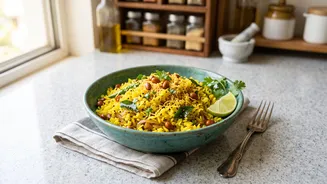
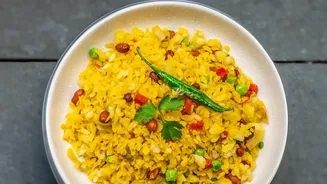
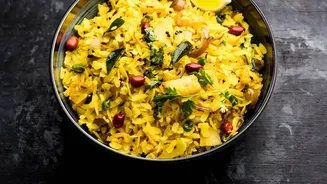
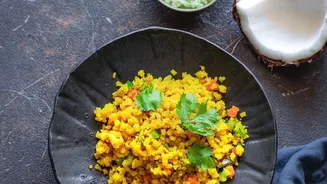
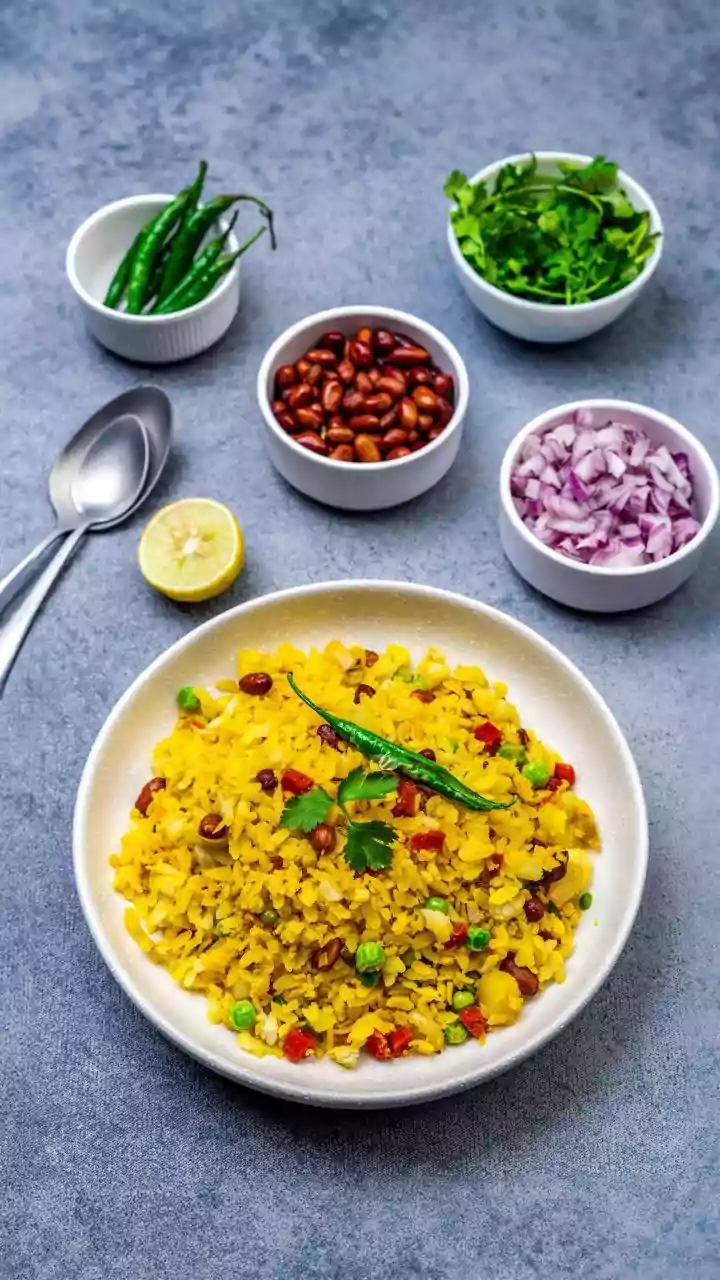
the most recognizable version and a beloved breakfast in Maharashtrian households. The name itself gives away its star ingredient: 'kanda', meaning onion. The preparation is straightforward and comforting. Thick flattened rice is rinsed until just soft, then tossed into a tempering of mustard seeds, curry leaves, and green chillies. Sautéed onions form the base, with peanuts adding a welcome crunch. Turmeric gives it the signature yellow hue, and it’s often finished with a squeeze of lemon juice, freshly grated coconut, and chopped coriander. A variation, Kanda Batata Poha, adds diced potatoes ('batata') to the mix, making it an even heartier meal. Its simplicity and balanced flavours make it a perfect start to any day.
Indore's Street Food Star: Jeeravan Poha
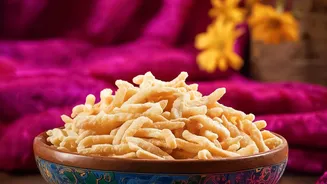
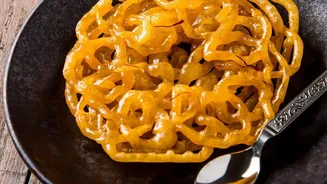
Head to Madhya Pradesh, and you'll find a version of poha that has achieved legendary status as a street food. Indori Poha is defined by its unique cooking method and a special spice mix. The poha is gently steamed, which keeps the flakes fluffy and separate. What truly sets it apart is the 'jeeravan masala'—a tangy and spicy blend of roasted cumin, fennel, coriander, and other spices—that’s generously sprinkled on top right before serving. The final dish is a festival of textures and flavours, garnished with crunchy sev (fried chickpea flour noodles), finely chopped onions, fresh coriander, and sometimes sweet pomegranate seeds. It’s often served with a side of sweet jalebi, creating a delightful sweet and savoury combination.
The No-Cook Wonder: Dadpe Poha
Another gem from Maharashtra, particularly the Konkan region, Dadpe Poha is a marvel of simplicity and perfect for hot days. This version involves no cooking, aside from the tempering. Thin poha flakes are used, which soften without being heated. They are mixed with finely chopped onion, fresh grated coconut, green chillies, and salt. A hot tempering of oil, mustard seeds, and asafoetida is poured over this mixture. The bowl is then covered and 'pressed' ('dadapne' in Marathi) for about 15-20 minutes, allowing the poha to soften in the moisture from the coconut and onions while absorbing the flavours. Finished with a squeeze of lemon, it's a refreshing, light, and incredibly quick meal.
Karnataka’s Gojju Avalakki
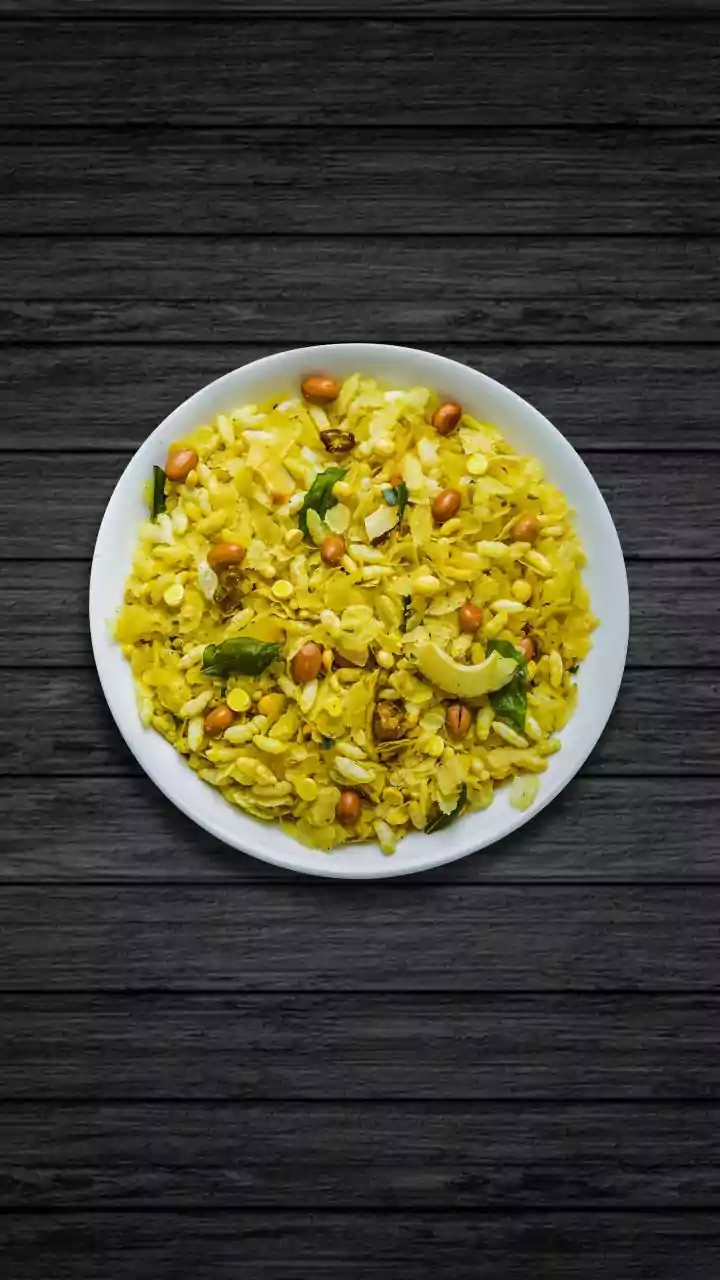
From Karnataka comes a poha preparation with a completely different flavour profile. Gojju Avalakki, also known as Huli Avalakki, is a mouth-watering sweet, sour, and spicy dish. The 'gojju' is a thick sauce made from tamarind pulp, jaggery, and a special spice powder. The flattened rice is soaked in this flavourful concoction until it absorbs all the tangy goodness. The tempering is equally robust, often including mustard seeds, urad dal, chana dal, peanuts, and dried red chillies. The final dish is rich, complex, and deeply satisfying, showcasing how poha can transform from a simple breakfast into a powerful flavour bomb.
Bengal’s Chirer Pulao
In West Bengal, poha is known as 'chire', and the savoury preparation is called Chirer Pulao. It often has a slightly sweeter note compared to its western counterparts and incorporates a medley of vegetables. While onions and potatoes are common, it’s not unusual to find finely chopped carrots, cauliflower florets, and green peas in the mix. The tempering sometimes uses panch phoron (a five-spice blend) or just mustard and cumin seeds. Roasted peanuts provide crunch, and raisins can be added for bursts of sweetness. Finished with a touch of ghee, it has the rich character of a pulao but with the lightness of flattened rice.