


The Battery Cost Problem
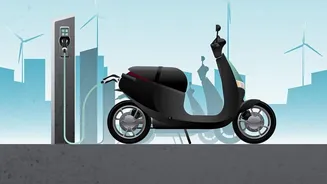
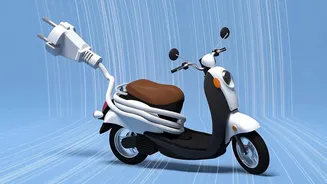
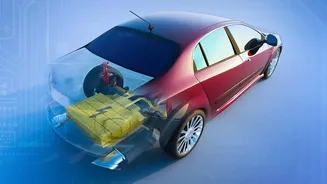
For years, the high cost of batteries has kept electric scooters and motorcycles out of reach for many. The battery pack alone can account for nearly half of an EV's total cost, making it the single most expensive component. This is largely due to the materials
and complexity of manufacturing the lithium-ion batteries that currently dominate the market. These batteries, while effective, use a liquid electrolyte that requires hefty safety features and cooling systems, adding to their cost and weight. This has created a significant price gap between petrol-powered two-wheelers and their electric counterparts, slowing down the nation's green transition.
Enter the Solid-State Solution
Solid-state batteries represent the next generation of energy storage. Instead of a flammable liquid or gel electrolyte, they use a solid material, typically made of ceramics or special polymers. This fundamental difference is a game-changer. Eliminating the liquid makes the battery inherently safer, removing the risk of thermal runaway and fires that have been a concern with conventional batteries. More importantly, it allows for a much more compact and energy-dense design. A solid-state battery can store significantly more energy in the same amount of space, or provide the same range from a much lighter and smaller pack.
The Manufacturing Breakthrough
While the promise of solid-state batteries has been known for years, the primary obstacle has been their exorbitant production cost. The complex, high-pressure manufacturing processes and expensive materials made them commercially unviable for mass-market vehicles. However, recent advancements are flipping the script. New research has demonstrated novel low-pressure production methods that dramatically cut down manufacturing complexity. Reports indicate that these new techniques can lower the cost of producing the solid electrolyte by as much as 70 percent, a massive step toward making these batteries affordable at scale. This isn't just a lab experiment; companies are now able to produce these components at a fraction of the previous cost, paving the way for mass production.
What This Means for Your Next Scooter
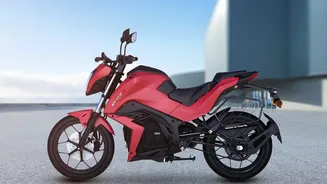
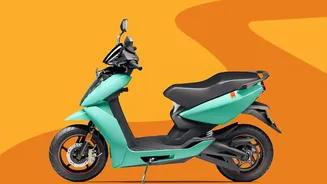
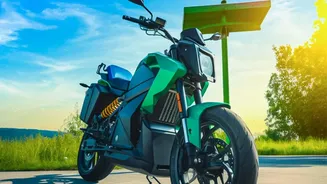
A cheaper battery directly translates to a cheaper electric vehicle. As manufacturers integrate these cost-effective solid-state batteries, the savings will be passed on to the consumer. This advancement doesn't just promise a lower sticker price; it brings a host of other benefits. Solid-state batteries can charge much faster—some developers claim a 10-minute charge could add hundreds of kilometers of range. They also have a much longer lifespan, potentially lasting the entire lifetime of the motorcycle, and perform better in the extreme temperatures common across India. For the average rider, this means more convenience, better performance, enhanced safety, and, most importantly, a more affordable entry point into electric mobility.
A Realistic Timeline for India
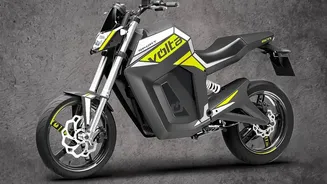
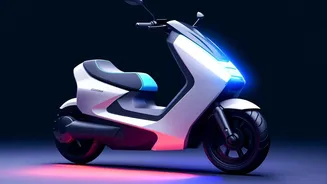
While the breakthrough is significant, these new batteries won't appear in showrooms overnight. The industry is currently in a pilot and early-commercialisation stage. Global battery giants are targeting 2027 for small-series production, with wider availability expected to follow. However, the Indian market is a key focus. With government initiatives like the Advanced Chemistry Cell (ACC) mission pushing for domestic manufacturing, India is well-positioned to adopt this technology quickly. Experts predict the market for solid-state batteries in India will grow significantly between 2025 and 2030. We will likely see them first in premium electric motorcycles and then gradually trickle down to more affordable scooters and commuter bikes as production scales up and costs continue to fall.