





A Return to the Kitchen
The trend of cooking at home is moving beyond a fleeting hobby into a deliberate lifestyle choice. After years of relying on the convenience of food delivery apps, many are now seeking experiences that feel more grounded and intentional. This shift is driven
by a desire for better health, financial prudence, and a reconnection with the process of making food. It's less about gourmet creations and more about reclaiming control over daily nutrition. People are finding that preparing meals from scratch can be a form of self-care, offering a therapeutic break from the stresses of a busy day.
The Undeniable Health Advantage
When you cook your own food, you are in complete control. You decide the quality of the ingredients, the amount of salt, sugar, and fat, and the portion sizes. This control is the cornerstone of balanced eating. Restaurant and processed foods are often laden with hidden sodium and unhealthy fats, which can contribute to a range of health issues over time. By cooking at home, you can tailor meals to specific dietary needs, avoid potential allergens, and ensure better food hygiene. Studies show that people who regularly prepare their own meals tend to consume fewer calories and have healthier dietary patterns, reducing the risk of chronic conditions like heart disease and diabetes.
Making Your Rupee Go Further
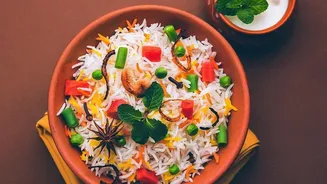
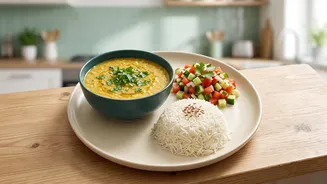
While ordering a meal online may seem convenient, the costs add up significantly over a month. Cooking at home is generally far more cost-effective. For instance, a simple home-cooked thali can cost less than a third of what you might pay at a budget restaurant. While there's an initial investment in stocking your pantry with staples, buying ingredients and cooking in batches leads to substantial savings. This financial benefit makes healthy eating more accessible and sustainable in the long run, especially as the costs of dining out continue to rise.
Making Home Cooking Practical, Not Perfect
The key to making home cooking a lasting habit is to keep it simple and practical. You don't need to prepare elaborate seven-course meals. Start small by planning to cook just a few meals a week. Meal prepping is a game-changer for busy professionals. Dedicate a couple of hours over the weekend to batch-cook staples like grains and proteins, or simply chop vegetables in advance. One-pan meals reduce cleanup time, and using frozen fruits and vegetables can be just as nutritious as fresh ones without the worry of spoilage. Investing in quality containers and leveraging modern appliances can also make the process more efficient.
More Than Just a Meal
The benefits of cooking extend beyond physical health and finances. The act of cooking itself can be a mindful and meditative practice, helping to reduce stress and anxiety. The process has a clear beginning, middle, and end, which can provide a grounding sense of accomplishment and boost self-esteem. Furthermore, cooking and eating together strengthens family bonds and creates lasting memories. It provides an opportunity to disconnect from screens and engage in meaningful conversation, nourishing relationships as much as it nourishes the body.