



Why Seasonal is Always a Smarter Choice
Opting for seasonal produce is one of the easiest and most effective kitchen hacks. When vegetables are in season, they are at their peak in terms of flavour and nutritional value. A monsoon-ripened bhindi will always taste better than one that has been
transported and stored for weeks. Because seasonal vegetables are harvested at the right time, they are naturally fresher, more flavourful, and packed with the nutrients our bodies need. Beyond taste, there's a significant cost benefit. When a crop is in abundance, its price naturally drops. This means your grocery bills will be lower, and you'll be getting higher quality produce for less money. Eating seasonally also supports local farmers and reduces the environmental impact associated with long-distance transportation and cold storage.
The Monsoon Bounty: Your July Shopping List
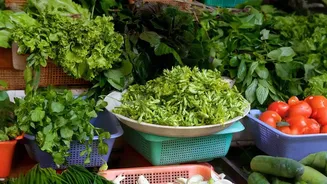
The monsoon season in India brings a wonderful variety of vegetables that thrive in the wet and humid climate. Building your meal plan around these makes grocery shopping a breeze as they are readily available and fresh. Look out for gourds like lauki (bottle gourd), turai (ridge gourd), and karela (bitter gourd), which are fantastic in curries and stir-fries. Bhindi (okra) is another monsoon staple, perfect for a quick sabzi. Don't forget brinjal (eggplant), which is incredibly versatile for dishes like baingan bharta or simple fried preparations. Other stars of the season include cucumber, various beans, and leafy greens like palak (spinach) and amaranth, which grow abundantly during this time. Even corn (bhutta) is at its sweetest and is perfect for a snack or adding to salads.
Your Weekly Meal Prep Blueprint
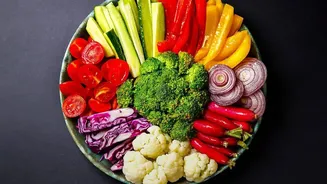
The key to successful meal prep is a simple, repeatable system. Start on a Saturday or Sunday by planning a few basic meals for the week. You don't need a complex menu; think in terms of components. For instance, a dal, a dry sabzi, and a base of rice or rotis. Once you have your seasonal vegetables, dedicate an hour to prepping them. Wash, chop, or dice them as required for your planned dishes. Harder vegetables like carrots and beets, and even gourds, can be chopped and stored for several days. Softer vegetables like tomatoes and cucumbers are best prepped for the next 1-2 days. This initial time investment will save you countless minutes on busy weeknights when you’re tired and hungry.
From Prepped Veggies to Quick Meals
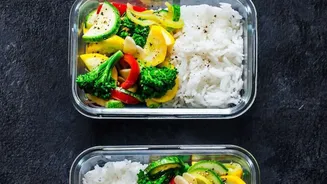
With a fridge full of prepped vegetables, weekday cooking becomes an assembly job rather than a full-blown project. A handful of chopped lauki or turai can be quickly pressure-cooked with moong dal for a comforting and nutritious soup. Pre-cut bhindi can be stir-fried with spices in under 15 minutes for a delicious side dish. A mix of chopped bell peppers, onions, and carrots can be sautéed and added to upma, poha, or noodles for a quick and healthy breakfast or dinner. Having these components ready to go dramatically reduces cooking time and the temptation to order takeout. It also empowers you to create healthy, home-cooked meals even when your schedule is packed.
Smart Storage for Lasting Freshness
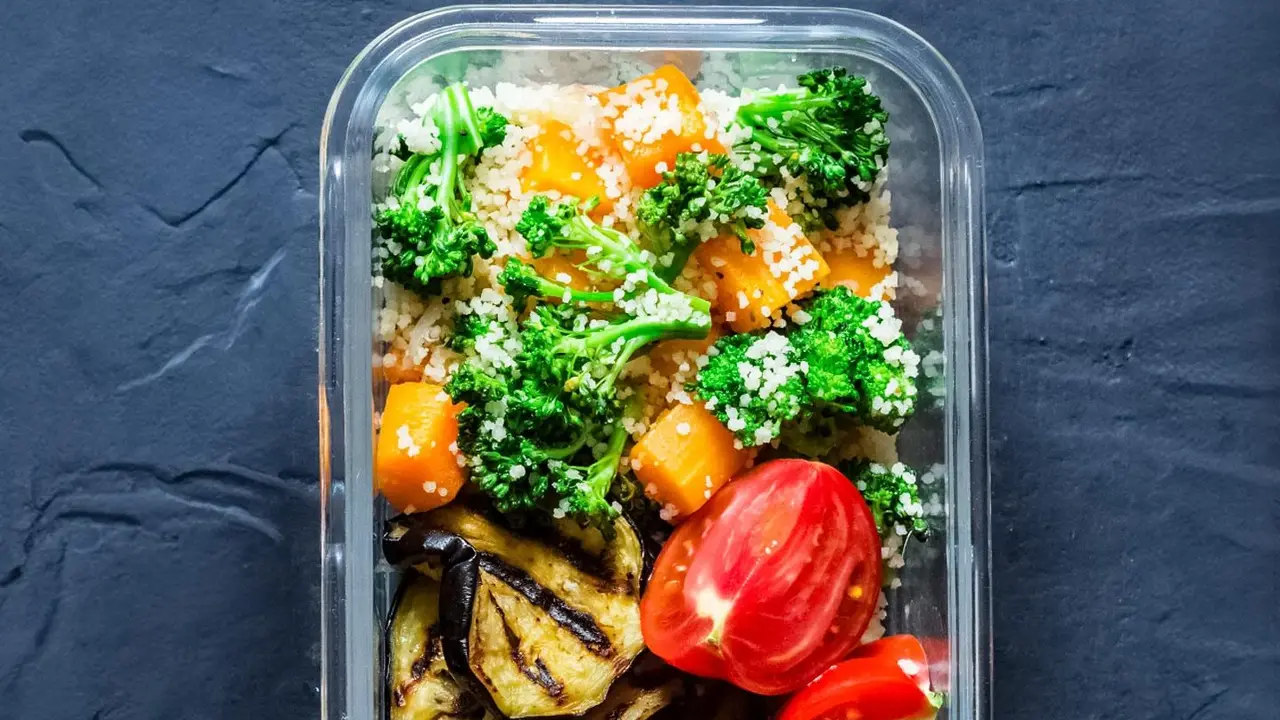
To ensure your prepped vegetables stay fresh, proper storage is crucial. After chopping, store vegetables in airtight containers in the refrigerator. For crunchy vegetables like carrots and celery, you can store them in a container with a small amount of water to keep them crisp. For leafy greens like spinach, wash and dry them thoroughly using a salad spinner before storing them in a container lined with a paper towel to absorb excess moisture. This prevents them from becoming slimy. Onions and garlic should be stored in a sealed container to prevent their odour from permeating your fridge. With these simple storage tricks, your prepped vegetables can easily last for 3-4 days, setting you up for a successful week of healthy eating.