



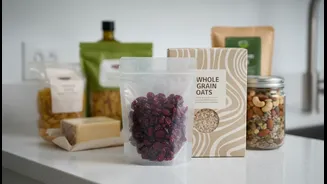



The 'Natural' Promise
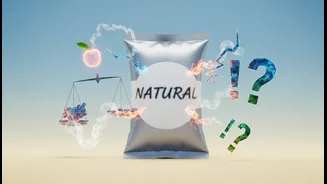
The word 'natural' paints a picture of wholesome, unprocessed goodness. According to India's food regulator, the Food Safety and Standards Authority of India (FSSAI), the term can be used for foods derived from a natural source, but it comes with conditions.
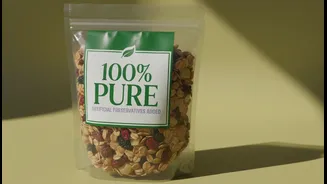
A product can be called 'natural' only if it has no added colours, flavours, or artificial substances and has undergone minimal processing. However, the FSSAI has recently been cracking down on brands for misusing the term. For example, a recent notice was sent to a company for claiming its cream bun was "100% Natural" while the ingredient list declared preservatives and synthetic colours. The key takeaway for shoppers is to be skeptical. If a product claims to be natural, your first step should be to ignore the front of the pack and turn it over to read the ingredients list. The truth is always in the fine print.
The 'Healthy' Halo Effect
The term 'healthy' is one of the most powerful marketing tools in the food industry. FSSAI regulations state that foods cannot be described as 'healthy' in a way that implies the food by itself will impart health. Any health claim must be scientifically substantiated. The regulator has pulled up brands for using phrases like "Healthy Happiness" because it can create a misleading impression without proper backing. To guide consumers, FSSAI has been promoting its 'Eat Right India' movement, which encourages reducing salt, sugar, and saturated fats. Instead of falling for a vague 'healthy' claim on the front, look for specific nutritional information on the back. Check for details on calories, sugar, sodium, and fat content to make an informed choice that aligns with your actual health goals.
What Makes It 'Premium'?
Unlike 'natural' or 'healthy', the word 'premium' has no legal or regulatory definition under FSSAI rules. It is purely a marketing term. Companies use it to suggest higher quality, better ingredients, or a more luxurious experience, often justifying a higher price tag. Recently, a brand was questioned for marketing its product as "Premium Chocolate." This doesn't mean the product is bad, but it does mean the 'premium' label is subjective and not a guarantee of any specific standard. It might refer to imported ingredients, fancier packaging, or simply a branding strategy. When you see the word 'premium', it should trigger a question: what am I paying extra for? Is it a difference in quality that you can verify from the ingredient list, or is it just the allure of a powerful word?
Beyond the Buzzwords: Your Action Plan
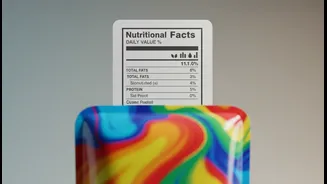
The most reliable tool you have is not the marketing claim on the front, but the nutrition facts panel and ingredients list on the back. The FSSAI mandates that all ingredients must be listed in descending order of their weight. This is your best clue to what the product is mostly made of. If sugar or oil is one of the first few ingredients in a so-called 'healthy' snack, you have your answer. Look for logos like the FSSAI license number, the green dot for vegetarian, and the 'Jaivik Bharat' logo for certified organic products. The regulator is also working to introduce clearer Front-of-Pack Labelling (FOPL) to help consumers quickly assess if a product is high in sugar, salt, or fat, but this is still a work in progress.
The Regulator is Watching
The good news is that FSSAI is actively increasing its scrutiny of misleading claims. In recent months, it has issued notices to numerous companies for violations related to packaging claims, forcing them to be more accountable. The regulator has made it clear that brand names and claims must not mislead consumers about a product's nature or nutritional value. For consumers, FSSAI has also provided a platform called the Food Safety Connect app, where you can report misleading labels and advertisements. This increased vigilance from the regulator and empowerment of consumers are positive steps towards a more transparent food environment in India.