




Assess and Prepare Your Saree
Before you make the first cut, carefully inspect the saree. Banarasi sarees are often delicate, so check for any tears, stains, or weakened fabric, especially along the folds. Identify the most beautiful and intact sections—the pallu and borders are usually
prime candidates for decorative elements. If the saree is lightly soiled, consider spot cleaning with a mild detergent suitable for silk, but for precious or heavily soiled heirlooms, professional dry cleaning is the safest option. Gather your tools: a sharp pair of fabric scissors, a measuring tape, pins, matching thread, and a sewing machine. For a no-sew approach to some projects, fabric glue can also be useful. Remember that you're working with a piece of heritage, so planning is key.
Designing and Cutting for Cushions
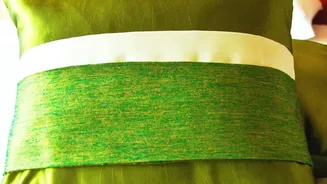
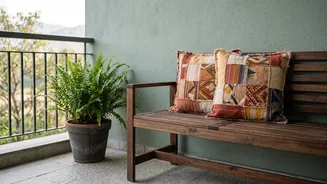
Cushion covers are a fantastic way to showcase the most intricate parts of the saree. A standard cushion size is 16x16 or 18x18 inches. When measuring, add a seam allowance of about half an inch on all sides. Position your template to capture the best motifs. The rich pallu can become the front of a statement cushion, while the borders can be used to frame a plain silk piece. For a more eclectic look, you can create patchwork designs by combining different sarees or fabrics. If the Banarasi silk is very fine, it’s wise to use a cotton lining for added durability. Cut the back panels for an envelope-style closure or prepare for a zipper insertion, depending on your sewing comfort level.
Sewing Your Regal Cushion Covers
With your pieces cut, it's time to sew. Place the front and back pieces with their right sides facing each other and pin them in place. If you're adding a lining, treat the silk and lining as a single piece of fabric. Sew around the edges, leaving an opening to turn the cover right-side out. For an envelope closure, overlap the two back panels. For a zippered cover, stitch the zipper onto the back panels before sewing the cushion together. Once stitched, trim the corners to reduce bulk, turn the cover right-side out, and gently poke the corners into shape. Give it a light press with an iron on a low, silk-friendly setting, always ironing on the reverse side.
Creating Elegant Living Room Drapes
A saree's length makes it ideal for creating curtains or drapes. Lighter fabrics like chiffon or georgette sarees create sheer curtains that beautifully filter sunlight, while heavier silks like Banarasi offer a more opulent, room-darkening effect. For Banarasi drapes, adding a cotton lining is highly recommended; it protects the delicate silk from sun damage and adds weight, helping the curtain hang properly. Measure your window's height and width, accounting for the desired length and fullness. A single saree can often make one panel. To create loops or a pocket for the curtain rod, fold over the top edge by a few inches and stitch it down. Hem the sides and bottom to prevent fraying and ensure a clean finish.
Finishing Touches and Styling
The final details can elevate your creations from handmade to high-end. Consider adding tassels, pompoms, or elegant piping to your cushion covers for a professional touch. For drapes, you can use the saree's original border along the edges to create a visually striking frame. When styling, mix your new Banarasi cushions with solid-coloured pillows to make them pop. The drapes will become an instant focal point in any room, adding a touch of Indian royalty and festive charm. These upcycled pieces are not just decor; they are conversation starters, rich with history and personal meaning.
Caring for Your New Silk Decor
Since your new decor is made from delicate Banarasi silk, proper care is essential to ensure it lasts. For cushion covers, it's best to spot clean any minor spills immediately. If a full wash is necessary, gentle hand washing in cold water with a mild silk detergent is preferable to machine washing. Always air dry in the shade, as direct sunlight can fade the rich colours and damage the zari. Iron on the lowest heat setting and on the reverse side, placing a cloth between the iron and the fabric to protect it. Regular, gentle care will keep your repurposed treasures looking vibrant for years to come.