



The Unsung Hero: Kodo Millet
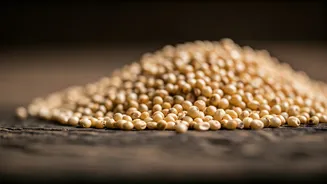
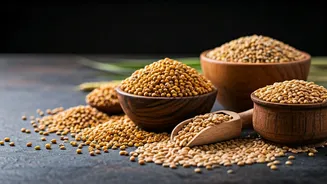
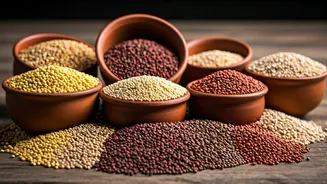
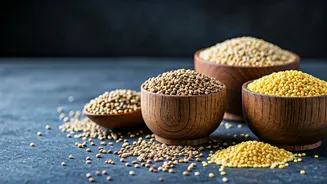
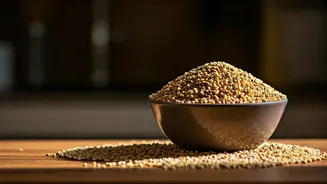
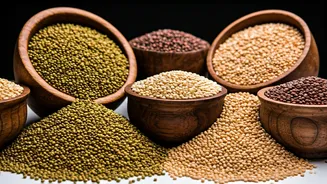
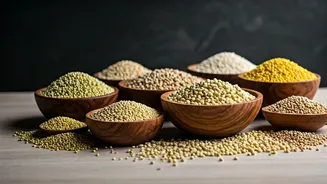
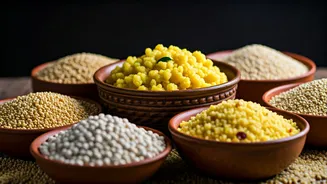
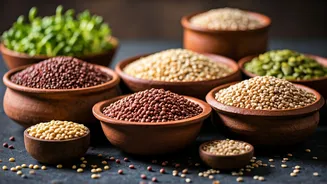
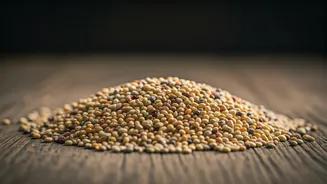
The grain that deserves this coveted spot in your kitchen is Kodo millet, also known as Varagu or Arikelu in parts of India. While it has been cultivated for centuries, it is now making a significant comeback among the health-conscious for its incredible
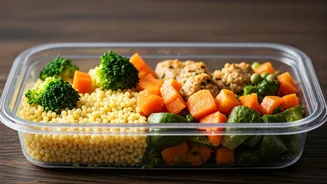
resilience, both in the field and in a meal-prep container. Unlike other grains that can become sticky or dry after a day in the fridge, Kodo millet maintains a wonderfully fluffy and separate texture, making your pre-prepared meals taste as fresh as the day you made them.
The Meal Prep Advantage
What makes Kodo millet a meal prep superstar? Its magic lies in its structure. The grain holds its shape exceptionally well after cooking, meaning it won't turn into a disappointing mush when mixed into salads or curries. Its neutral, slightly nutty flavour makes it a perfect canvas for a variety of dishes, from a zesty lemon 'rice' to a comforting khichdi. Furthermore, it reheats beautifully without losing its integrity. This reliability is precisely what busy individuals need; you can cook a large batch on Sunday and trust it to serve as a delicious base for lunches and dinners all week long.
A Nutritional Powerhouse
Beyond its textural benefits, Kodo millet is packed with nutrition that supports a busy lifestyle. It is naturally gluten-free and loaded with high-quality protein and dietary fibre. The high fibre content aids in digestion, promotes a feeling of fullness to prevent midday snacking, and supports weight management. It's also rich in essential minerals like iron, magnesium, and calcium, and packed with antioxidants. With a low glycemic index, it releases energy slowly, helping to maintain stable blood sugar levels and preventing the dreaded afternoon slump. This makes it an ideal choice for those with diabetes or anyone looking to sustain their energy throughout the day.
How to Cook It Perfectly
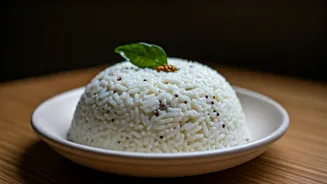
Cooking Kodo millet is simple, but a few tips will ensure you get that perfect, fluffy texture every time. First, always rinse the millet well. While soaking isn't strictly necessary for a quick cook, soaking it for 30 minutes to a few hours can improve digestibility and texture. For a fluffy, rice-like consistency, the general rule is to use a 1:2 or 1:2.5 ratio of millet to water. You can cook it in an open pan on the stovetop until the water is absorbed (about 15-20 minutes) or use a pressure cooker for 1-2 whistles. Once cooked, let it rest, covered, for about 10 minutes before fluffing with a fork. This resting period is crucial for achieving separate grains.
Simple Meal Ideas to Get Started
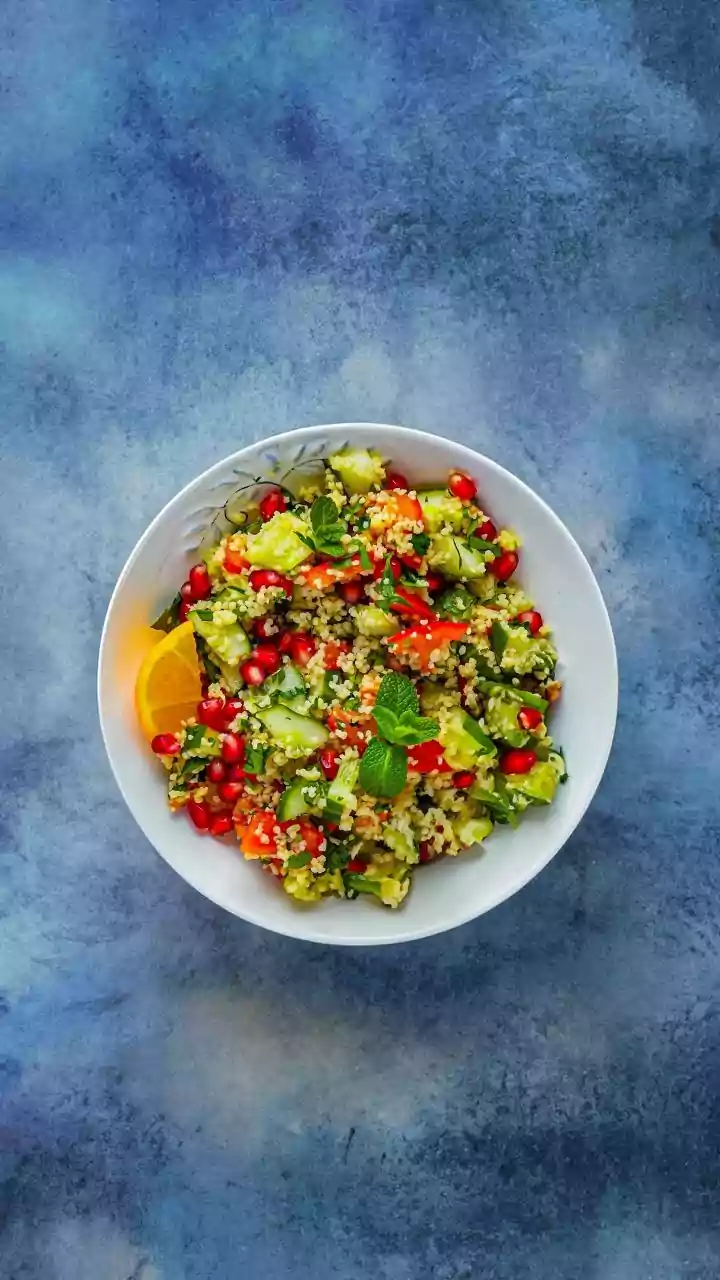
Ready to give it a try? Kodo millet's versatility means it can easily replace rice or other grains in your favourite recipes. Prepare a batch and use it throughout the week in these simple ways: Millet Lemon Rice: Sauté cooked millet with mustard seeds, lentils, peanuts, curry leaves, and a generous squeeze of lemon for a quick and flavourful lunch. Curry Bowl Base: Use a bed of fluffy Kodo millet instead of rice for your favourite chicken, paneer, or vegetable curries. It soaks up the gravy beautifully. Hearty Upma: Make a nutrient-dense upma by sautéing onions, vegetables, and spices, then adding the cooked millet and heating through. Nutritious Khichdi: Combine Kodo millet with moong dal, vegetables, and mild spices in a pressure cooker for a comforting one-pot meal. * Refreshing Salad: Toss cooled millet with chopped cucumber, tomatoes, onions, fresh herbs, and a light vinaigrette for a refreshing and filling salad.