


What Exactly Is Waterless Beauty?
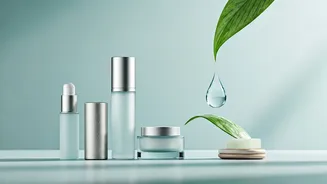
Waterless, water-free, or anhydrous beauty refers to products formulated with little to no water. Instead of using water as a filler or solvent, which can make up 60-85% of traditional products, these innovative formulas use alternatives like oils, butters,
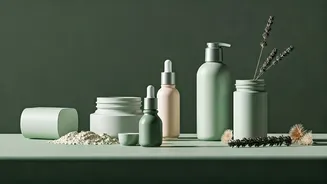
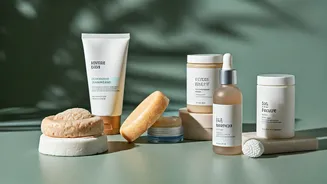
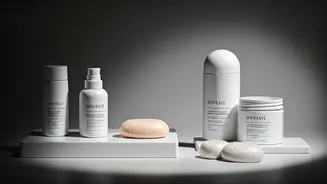
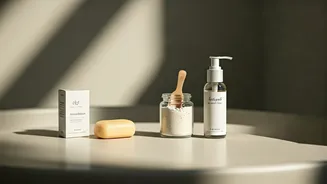
waxes, and potent botanical extracts as their base. The concept, which first gained popularity in South Korea, was initially about creating more concentrated and potent products. By removing water, the active ingredients aren't diluted, meaning you get more bang for your buck in every drop. These products come in various forms, from the increasingly popular solid shampoo and conditioner bars to powders, balms, and concentrated oils.
The Problem with Water in Beauty
At first glance, water seems like a harmless ingredient. It's used to dissolve actives, create pleasant textures, and is an inexpensive filler. However, the beauty industry's reliance on it has a significant environmental cost. The industry uses billions of litres of water annually, which is a strain on a precious resource, especially considering over 800 million people worldwide lack access to clean water. Furthermore, products with high water content require preservatives to prevent the growth of bacteria and microbes. This can be a concern for those with sensitive skin and adds more chemicals to the formulation.
More Than Just Saving Water
The sustainability push for waterless beauty goes far beyond conserving water. One of the biggest advantages is the reduction in packaging. Without bulky water content, products can be much smaller and more compact. This often translates to plastic-free packaging or no packaging at all, as seen with shampoo bars. This reduction in size and weight has a ripple effect, significantly lowering the carbon footprint associated with shipping and transportation. Lighter, smaller packages require less fuel to move around the world. As a result, brands and consumers are embracing a more minimalist and eco-friendly approach.
The Rise of Solid & Concentrated Formats
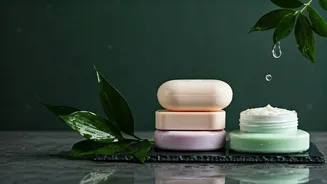
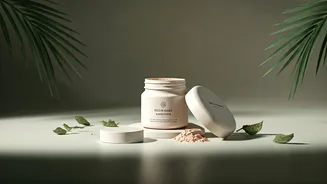
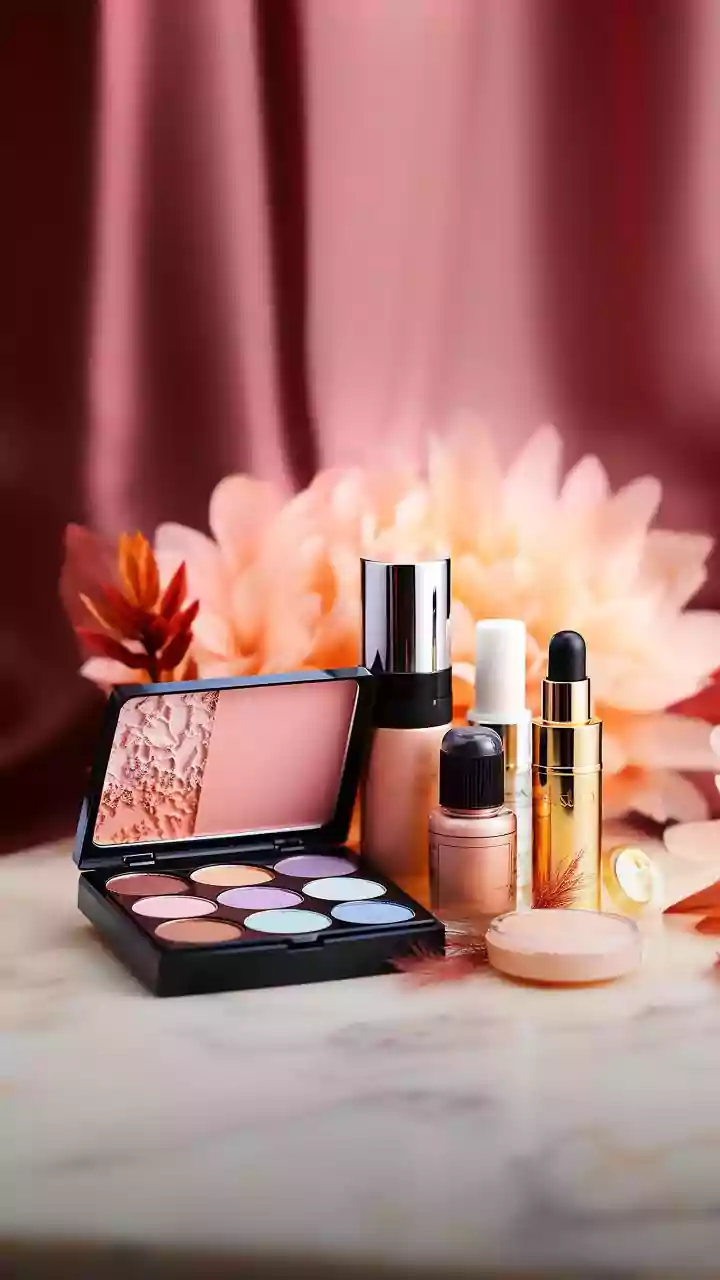
Solid bars are the poster child of the waterless movement. Shampoo, conditioner, and cleansing bars are becoming mainstream, offering effective cleansing without the plastic bottle. But the innovation doesn't stop there. Powder-to-foam cleansers activate with a few drops of water in your hand, offering a long-lasting and travel-friendly option. Oil-based serums and cleansing balms provide concentrated nutrients and effectively remove makeup without stripping the skin. Even makeup is getting a water-free makeover, with brands exploring solid foundations and waterless colour cosmetics. These formats prove that you don't have to sacrifice performance for sustainability.
Is the Future of Beauty Water-Free?
The waterless cosmetics market is projected to see rapid growth, expanding from an estimated USD 13.26 billion in 2026 to over USD 42 billion by 2036. This indicates a major shift in both industry focus and consumer demand. However, the transition isn't without challenges. Some consumers find oily or heavy textures difficult to get used to, and there's a need for education on how to use these new formats effectively. Formulating without water can also be more complex and costly. Despite these hurdles, the dual benefits of higher potency for consumers and a smaller environmental footprint make a compelling case. As awareness grows, waterless beauty is poised to move from a niche trend to a permanent fixture in our routines.