






The Great Hair Panic
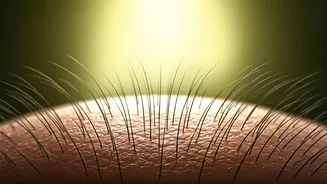
If you feel like everyone is suddenly talking about hair fall, you’re not wrong. The conversation has moved from quiet concerns to a top-tier beauty priority. This shift is fuelled by a perfect storm of factors. Urban pollution, rising stress levels,
and nutritional gaps have long been culprits. But the pandemic added a new layer, with many reporting significant post-illness hair shedding. This collective experience pushed the issue into the mainstream, making consumers actively seek solutions beyond traditional remedies. They are no longer just looking to manage bad hair days; they want to solve the problem at its root—literally. This heightened awareness created a vacuum in the market, a need for targeted, effective products that legacy brands were not fully prepared to fill.
The ‘Skinification’ of Your Scalp
The biggest buzzword driving this trend is ‘skinification’. The concept is simple yet revolutionary for the hair care aisle: treat the skin on your head with the same care and science as the skin on your face. For years, the focus was on the hair shaft—making it look shiny, smooth, or voluminous. But the new-age approach argues that healthy hair can only grow from a healthy scalp. This means applying the principles of skincare—cleansing, exfoliating, treating, and moisturising—to the scalp. Suddenly, ingredients familiar from facial serums are appearing in hair products. Hyaluronic acid for hydration, salicylic acid for exfoliation and controlling oil, and niacinamide for soothing inflammation are now key players in the hair care game. This shift in perspective is educating consumers to look at ingredient lists and demand more than just fragrance and foam.
Enter the High-Tech Serums
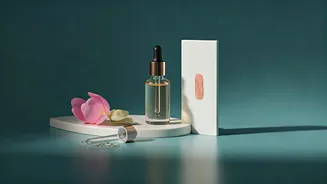
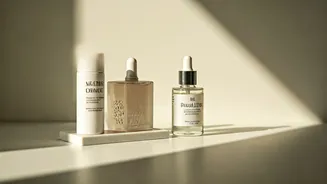
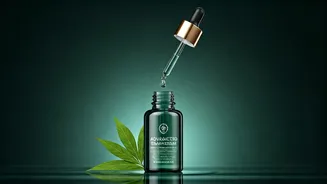
So, what exactly are these scalp serums that have everyone buzzing? Unlike traditional oils that primarily condition the hair strand, scalp serums are lightweight, water- or gel-based formulations designed to be massaged directly onto the scalp and left on. They deliver a concentrated dose of active ingredients to address specific issues. For hair growth and density, you’ll find patented molecules like Redensyl, Procapil, and Capixyl, which work on hair follicles to stimulate growth and reduce fall. For dandruff and oiliness, serums with salicylic acid or tea tree oil offer a targeted treatment. For dryness and irritation, soothing ingredients like aloe vera and hyaluronic acid provide relief. These products represent a move from the kitchen (DIY remedies) to the lab (biotech-backed formulas), promising tangible results backed by clinical studies.
How D2C Brands Won the Race
The ‘scramble’ in this market isn’t just about producing more; it’s about speed and relevance. This is where India’s agile Direct-to-Consumer (D2C) brands have a massive advantage. While large FMCG corporations have longer product development cycles, D2C brands like Minimalist, The Derma Co., and Pilgrim can spot a trend on social media, develop a formula, and bring a product to market in a fraction of the time. They use digital marketing to educate consumers about ingredients and build communities around their products. By speaking the language of the modern, informed consumer and bypassing traditional retail channels, they have been able to capture the scalp care market with impressive speed. This has forced larger, established companies to either acquire these smaller brands or rush to launch their own competing lines, creating the frantic market we see today.