



What Exactly Is 'AI Beauty'?
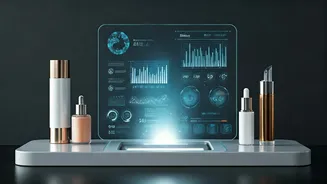
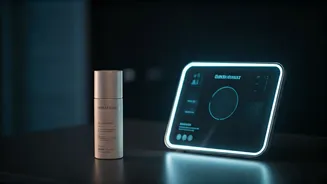
Think of AI beauty not as one single thing, but as a collection of smart technologies designed to make your beauty routine more personal and effective. At its core, it uses artificial intelligence, machine learning, and augmented reality (AR) to analyze
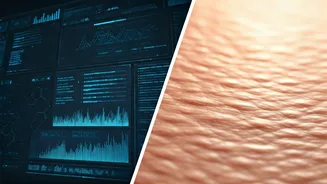
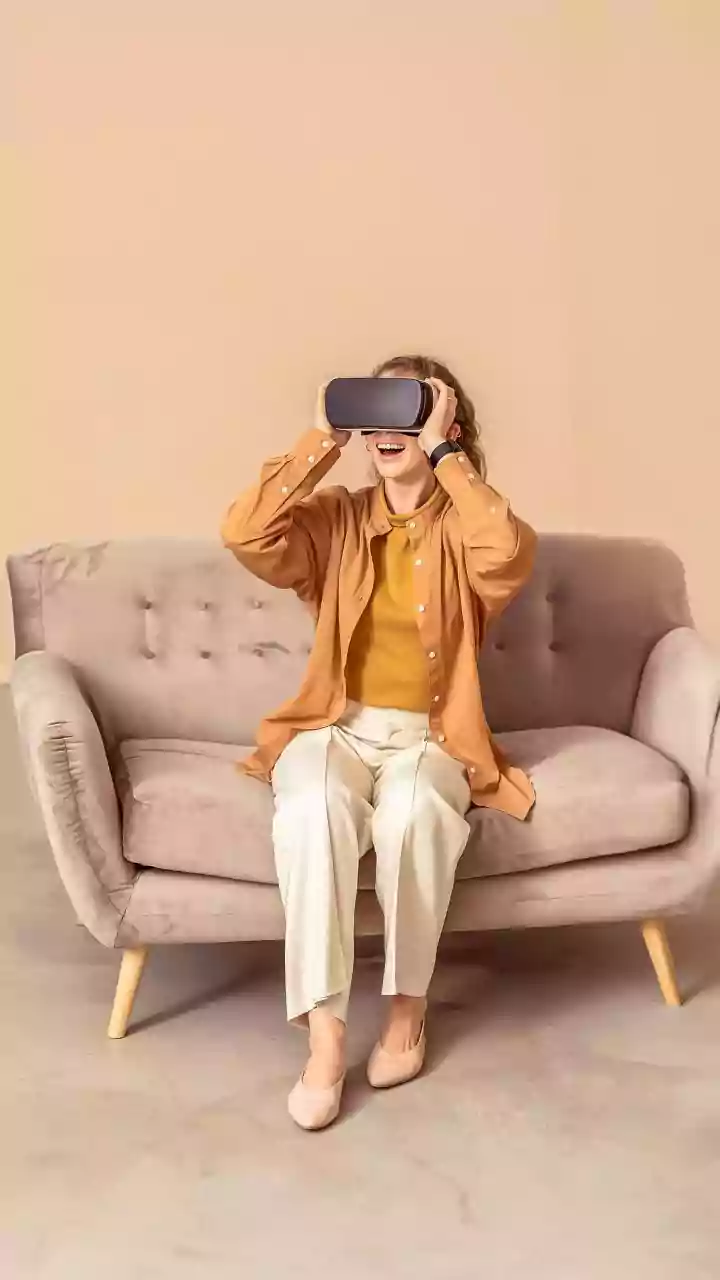
your unique features and needs. This can range from apps that scan your face to diagnose skin conditions to virtual tools that let you try on hundreds of lipstick shades without ever touching a tester. The goal is to move away from a one-size-fits-all approach and towards solutions tailor-made for you.
Your Pocket Beauty Advisor
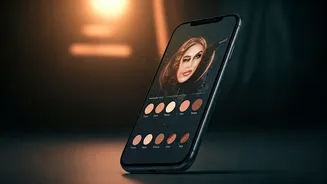
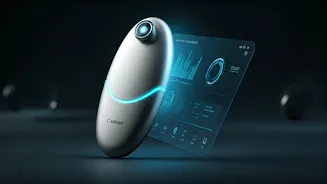
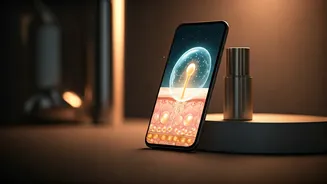
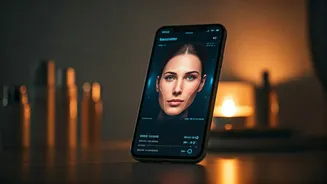
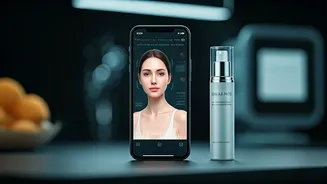
The most common and accessible form of AI beauty is the virtual try-on (VTO). Major brands like L'Oréal and Sephora have integrated technology that uses your phone’s camera to map your face and realistically overlay makeup products. You can see how a foundation shade looks on your skin or if a bold eyeshadow suits you, which boosts shopping confidence and reduces returns. Beyond makeup, AI tools are also becoming personal skincare coaches. Apps like Skin Beauty Pal and PerfectSkin analyze a selfie to identify concerns like acne, dryness, or dark spots, and then recommend specific product types or even build a full morning and evening routine for you.
From Analysis to Creation
The trend goes deeper than just recommendations. Generative AI, the same technology behind tools like ChatGPT, is now being used to create and innovate. Some companies use AI to analyze vast amounts of data on ingredients and consumer feedback to develop entirely new product formulations faster than ever before. Brands are also using AI to generate hyper-realistic images and marketing campaigns, allowing them to showcase products on a diverse range of virtual models. This shift means AI isn't just analyzing what exists; it's actively helping to create the future of beauty products and trends.
Hyper-Personalization at Scale
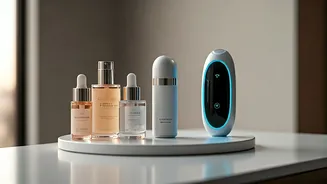
The ultimate promise of AI is hyper-personalization. Imagine a foundation that is custom-blended to your exact skin tone, analyzed by an AI from a photo you took. Companies are already moving in this direction. Some use AI algorithms and modular cartridges to create bespoke skincare or makeup formulas in real-time, right at the point of sale. This technology can consider not just your skin type, but also environmental factors like the climate and pollution levels where you live, to create a truly individual product. Research shows a huge majority of younger consumers now expect this level of AI-powered personalization from brands.
The Benefits and the Backlash
The advantages of AI beauty are clear: convenience, personalization, reduced waste from returns, and the ability to discover new products confidently. However, there are also valid concerns. Privacy is a major issue, as these tools often require you to upload facial data, which could be vulnerable to breaches or misuse. There's also the risk of reinforcing narrow beauty standards if the AI algorithms are trained on biased data sets. Furthermore, the constant exposure to digitally perfected images, even your own, can impact self-esteem and create an unhealthy perception of what is real.