





From Hippie Haven to Digital Hub
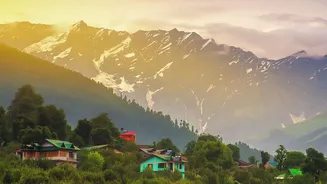
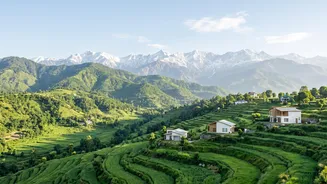
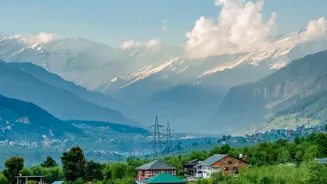
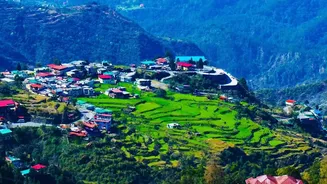
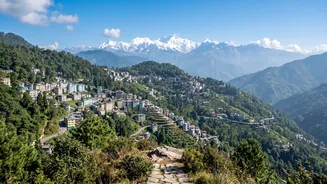
Perched just above the bustling streets of McLeod Ganj, Dharamkot has long been a sanctuary for those looking to escape city life. Traditionally, it was a 'hippie village' popular with international travelers, artists, and practitioners of yoga and meditation
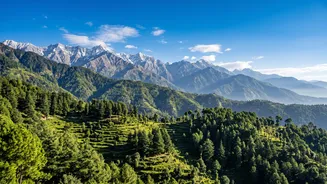
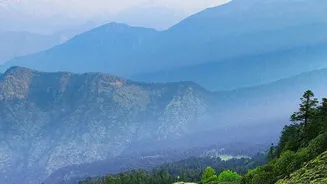
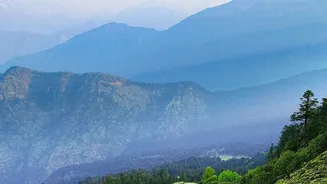
drawn to its serene atmosphere and stunning views of the Dhauladhar mountain range. The vibe was slow, disconnected, and deeply rooted in nature and Tibetan spiritual culture. The primary accommodation was simple homestays, offering a taste of Himachali hospitality but little in the way of modern connectivity. That landscape, however, has fundamentally changed over the past few years, evolving from a remote outpost to what is now considered India's most established digital nomad enclave.
The Connectivity Revolution
The single biggest catalyst for this transformation has been the arrival of reliable, high-speed fiber broadband. While internet in the Himalayas has historically been patchy and slow, a significant push in digital infrastructure has changed the game. In popular towns like Dharamshala and its surrounding villages, fiber lines have become increasingly common, with some cafes and coworking spaces now offering speeds between 80 and 200 Mbps. This leap in connectivity has made remote work not just possible, but practical and efficient. Homestay owners have been quick to adapt, marketing 'fast Wi-Fi' and 'power backup' as key amenities to attract a new clientele.
A New Breed of Visitor
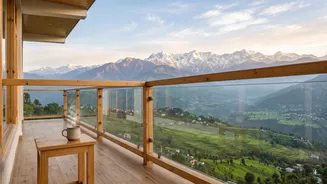
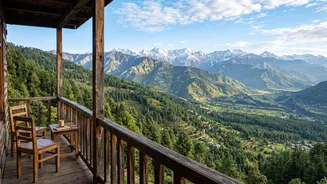
The availability of robust internet has attracted a new demographic: the Indian digital nomad. These are typically young professionals from metropolitan hubs like Delhi, Mumbai, and Bengaluru, working in tech, design, writing, and other location-independent fields. Fleeing urban burnout and seeking a better work-life balance, they are choosing to swap city apartments for mountain-view rooms. Unlike traditional tourists who stay for a few days, these remote workers often settle in for weeks or even months, becoming a part of the local fabric. This trend has given rise to a vibrant, collaborative community of developers, founders, and creatives who work by day and explore the mountains by evening.
The Rise of a Work-Friendly Ecosystem
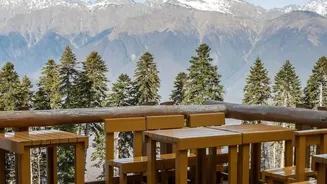
It's not just about Wi-Fi in a room; an entire ecosystem has emerged to support this new lifestyle. Dedicated co-living and coworking spaces like NomadGao, The Void, and Alt Life have established themselves in Dharamkot, offering everything from ergonomic chairs to rooftop work areas with panoramic views. Cafes have also adapted, providing power outlets, strong internet, and menus that cater to a long-stay crowd. This infrastructure provides the perfect blend of productivity and community, allowing remote workers to find both focus for deep work and opportunities for social interaction through organised events like karaoke nights and bonfires.
The Economic and Cultural Impact
For local homestay owners and businesses, this trend has been a significant economic boon. The influx of long-stay visitors provides a steady stream of revenue, particularly during the off-season, which traditionally saw a sharp dip in tourism. Homestays that once offered basic lodging are now upgrading to provide work-friendly desks and reliable power, directly benefiting from this new market. This shift is creating a more resilient, year-round tourism economy. However, this rapid development also presents challenges. There is a growing need for sustainable planning to manage the increased pressure on local resources and ensure the village retains the quiet charm that first made it special.