









From Freebie to Luxury Item
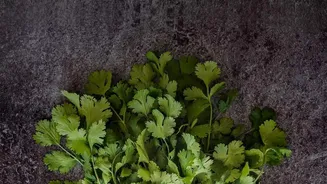
Across northern India, the cost of fresh coriander has surged, transforming it from a routine kitchen staple into a small luxury. In markets like Delhi's Azadpur mandi, wholesale prices recently climbed to as high as ₹175 per kilogram, a shocking increase
from the typical rate of around ₹25 per kg for this time of year. For consumers, the impact has been even more severe, with retail prices reaching ₹220-₹230 per kg in some areas. This sharp rise means that the humble herb, once given away for free, is now a carefully considered purchase, reflecting a wider trend of volatility in food prices.
The Culprit: Erratic Weather
The primary driver behind this price shock is a series of weather disruptions in key growing regions. Heavy and unseasonal rainfall, particularly intense downpours in late July around Nashik in Maharashtra, has been a major factor. Nashik is a critical supplier of green coriander for markets across northern India. The flooding damaged standing crops, making it difficult to harvest good-quality produce that can survive the journey to distant markets. The problem has been compounded by delayed rainfall in other producing centers like Bengaluru and Latur, which left the market with fewer alternative sources of supply.
A Squeezed Supply Chain
The journey of coriander from farm to kitchen is a delicate one, and the recent weather has created bottlenecks at every stage. Damaged crops mean lower volumes coming out of the fields. What is available is often of poorer quality and has a shorter shelf life, making it unsuitable for long-distance transport. Logistical hurdles, such as rain-disrupted roads, have further slowed down the movement of produce from farming belts to wholesale centers. Coriander harvested in Nashik, for example, is often sent to cold storage in Indore before reaching Delhi, and interruptions along this route have an immediate impact on availability and price.
The Ripple Effect on Kitchen Budgets
For households, the spike in coriander prices is part of a broader pressure on kitchen budgets. While the cost of some vegetables like potatoes and tomatoes has eased recently, other essential aromatics such as ginger and garlic have also seen significant price jumps over the last year. This pattern is contributing to rising food inflation, which climbed to 5.52% in July. Consumers and restaurants alike are now forced to make difficult choices, either reducing the amount of coriander they use or absorbing the higher cost. The sudden expense of what was once a simple garnish highlights the vulnerability of family budgets to agricultural disruptions.
When Can We Expect Relief?
Traders expect the price volatility to continue until weather conditions stabilize and supplies from the main producing regions improve. The coriander crop is sensitive, and its price can swing dramatically based on brief weather shocks. While some limited supplies from other states like Karnataka have helped narrow the gap, it has not been enough to bring prices back to normal levels. Looking ahead, the market will be closely watching the upcoming crop cycles and monsoon patterns. However, the recent events serve as a stark reminder of how increasingly unpredictable weather patterns linked to climate change can directly impact the cost of everyday food items in India.