
The Reign of the Picture-Perfect Shelf
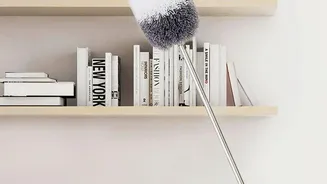
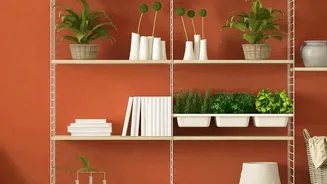
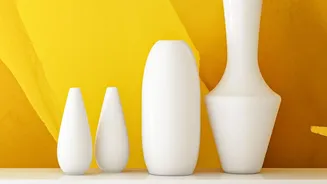
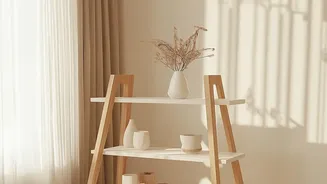
You know the look: a pristine white shelf featuring a stack of colour-coordinated books (spines turned inward), a small, sculptural plant, and a few abstract ceramic objects. This was the pinnacle of the 'shelfie' trend, an aesthetic born from and perfected
for Instagram and Pinterest. The goal was less about personal expression and more about creating a visually harmonious, photogenic vignette. It was about achieving a look that was clean, minimalist, and universally appealing, often involving buying new, generic decor items to fit a specific colour palette or theme rather than displaying what one already owned. This approach, while beautiful in its composition, often resulted in spaces that felt more like a showroom than a home.
A Backlash Against Bland Perfection
The problem with perfection is that it can feel cold and impersonal. As homeowners spent more time within their own four walls, many began to feel a disconnect with these flawlessly styled but soulless spaces. The effort required to maintain such a pristine look, coupled with the consumerism of constantly buying new, 'on-trend' objects, led to decor fatigue. Designers and residents alike started questioning the point of a beautiful home if it didn't reflect the people living in it. The trend reversal is a move away from performative decorating—arranging things for an imagined audience—and toward creating an environment that provides genuine comfort and a sense of belonging. The focus is shifting from what looks good online to what feels good in real life.
The Rise of Authentic Storytelling
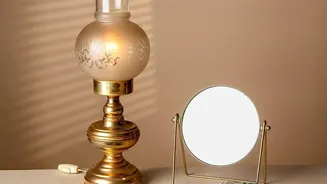
Enter the new wave of home decor: authentic, personal, and story-driven. Instead of generic objects, the focus is now on meaningful display pieces. This isn't about subscribing to a new aesthetic like maximalism or minimalism, but rather a new philosophy. A home should be a living autobiography, with shelves acting as pages that tell your unique story. This shift prioritises objects with history, character, and emotional resonance. It's about showcasing pieces that spark conversation and evoke memories, transforming a house into a deeply personal sanctuary. The growing appreciation for vintage finds and handcrafted goods is part of this movement, as these items carry a sense of history and soul that mass-produced decor cannot replicate.
What Makes a Display ‘Meaningful’?
A meaningful object is anything that holds a personal story or significance for you. It's not about monetary value but emotional weight. It could be a travel souvenir from a memorable trip, a piece of art made by your child, a vintage teacup inherited from a grandparent, or a well-loved book with dog-eared pages. These items serve as physical touchstones to your life's experiences, passions, and relationships. Decorating with meaning means choosing to display things that are distinctly and unmistakably yours. The result is a layered, lived-in space that feels curated with intention rather than simply decorated to fill a void.
How to Curate for Personality
Embracing this trend doesn't mean you need to start from scratch. In fact, it's the opposite. The first step is to 'shop your own home'. Take everything off your shelves and assess each item. Instead of asking, 'Does this match?' ask, 'Does this matter to me?'. Group items that tell a story together. Don't be afraid to mix high and low, old and new. Let a quirky flea market find sit next to a treasured family photo. The key is to edit with intention, leaving breathing room for your most cherished pieces to shine. Play with varying the height and texture of objects, and don't be afraid of a little imperfection. A home that is evolving and slightly imperfect often feels the most interesting and welcoming.