



The Gourd Family: Light and Hydrating
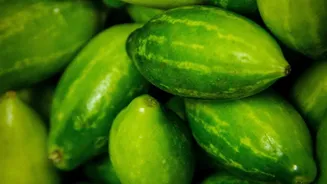
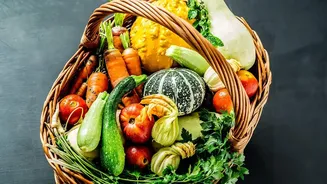
Gourds are the backbone of monsoon cooking, and for good reason. Varieties like bottle gourd (lauki), ridge gourd (turai), and pointed gourd (parwal) are abundant this season. They are incredibly light on the stomach and easy to digest, which is crucial
as Ayurveda suggests our digestive fire (agni) is weaker during the rains. Composed mostly of water, they are hydrating and low in calories. For those observing Shravan fasts, lauki is a staple, often cooked simply with cumin, green chillies, and rock salt (sendha namak) to make a gentle, nourishing curry. Pointed gourd is also valued for its therapeutic properties, including being rich in antioxidants and vitamins that help fight common monsoon infections.
Root Vegetables: For Sustained Energy
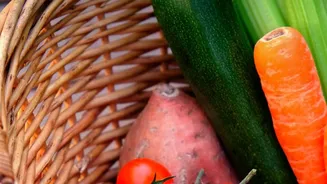
When fasting, energy levels can dip. Root vegetables like sweet potato (ratali), potato (aloo), and colocasia (arbi) are permitted during most Shravan fasts and provide essential carbohydrates for sustained energy. Sweet potato, in particular, is a fasting superfood. It's naturally sweet, filling, and can be prepared simply by boiling or roasting. Potatoes are versatile and a comforting staple in vrat meals, often used to make simple sabzis or patties. These vegetables are not just for fasting; their complex carbs make them a great addition to any meal during this low-energy season.
Jamun: The Star Monsoon Fruit
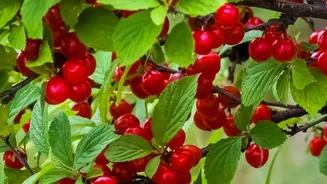
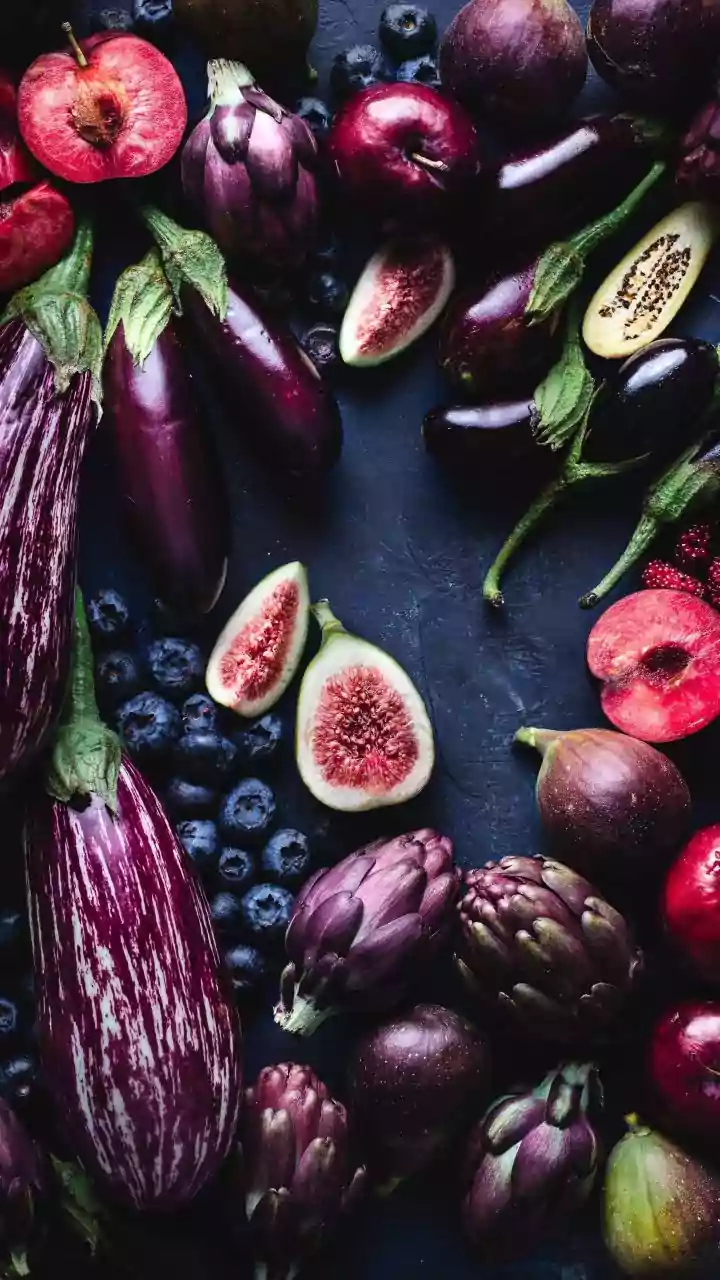
The deep purple Jamun, or Indian blackberry, is a true monsoon delicacy. Its arrival signals the peak of the rainy season. This fruit is celebrated for its unique sweet and tart flavour and numerous health benefits. It is an excellent source of iron, vitamin C, and powerful antioxidants called anthocyanins. Traditionally, Jamun is recommended for managing blood sugar levels, making it beneficial for diabetics. Its properties also help boost haemoglobin, which can combat the fatigue often felt during the gloomy monsoon weather.
Corn on the Cob (Bhutta): The Ultimate Rainy Day Snack
The sight and smell of roasted bhutta are synonymous with Indian monsoons. More than just a nostalgic snack, corn is a nutritious seasonal choice. It is a good source of fibre, which aids digestion, along with B vitamins and vitamin C. Corn also contains antioxidants that help protect the body from cellular damage. Whether roasted over coals and seasoned with salt and lime or boiled and tossed into a salad, corn is a healthy and satisfying way to enjoy the flavours of the season.
Pomegranate (Anar): An Immunity Booster
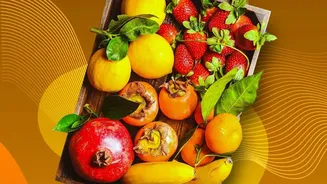
The jewel-like seeds of the pomegranate are packed with nutrients that are especially useful during the monsoon, a time when immunity can be low. Pomegranates are loaded with powerful antioxidants and are rich in vitamin C, which helps the body fight off infections like the common cold and flu. This fruit is also known to help boost haemoglobin levels, keeping energy high. It's a perfect fruit to eat on its own, add to salads, or enjoy as juice throughout the Shravan month.
Leafy Greens: To Be Eaten With Care
While the monsoon brings a bounty of leafy greens like spinach (palak) and amaranth (cholai), traditional wisdom advises caution. Due to the damp conditions, greens can harbour more dirt and microbes. However, if cleaned meticulously, they are an excellent source of iron and vitamins. Some traditions avoid leafy vegetables entirely during Shravan. If your family customs permit them, ensure they are washed thoroughly in clean water and cooked well to make them safe for consumption and to reap their nutritional benefits.