







The New Power Couple in Dairy
The Indian dairy market is in the midst of a significant transformation. Once dominated by liquid milk, shelves are now crowded with value-added products like Greek yogurt, fortified milk, and gourmet cheese. The latest evolution in this trend is the fusion
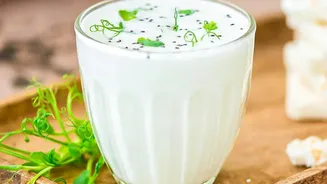
of two of the biggest buzzwords in wellness: protein and probiotics. This new category of 'functional foods' includes products like high-protein yogurts infused with beneficial bacteria, probiotic buttermilk, and fortified paneer, all designed to offer more than just basic nutrition. This shift is a direct response to a growing consumer base that is increasingly health-conscious and looking for convenience. People want their food to work harder for them, preventing illness and enhancing well-being.
Why This, Why Now?
The rise of these hybrid products is fueled by a convergence of factors. Indian consumers are more aware than ever of the link between diet and health. Gut health, in particular, has become a major focus, with a majority of consumers recognizing its importance for overall wellness, including its connection to immunity, stress, and even sleep quality. Simultaneously, the demand for protein-rich foods has skyrocketed, driven by fitness trends and a general desire for a healthier lifestyle. Projections show that India's per-capita protein consumption is set to increase significantly in the coming decades, with dairy expected to be a primary source. Brands are capitalizing on this dual interest by creating products that serve both needs in a single, convenient format.
The Science Simplified
So, what’s the benefit of combining protein and probiotics? In simple terms, they work together synergistically. Protein is the essential building block for muscle repair and growth. Probiotics are live, beneficial bacteria that help maintain a healthy balance in your gut microbiome. When consumed together, probiotics can enhance the body's ability to break down and absorb the protein you eat. This means you get more value out of your protein intake. This combination can also reduce common digestive issues like bloating that are sometimes associated with high-protein diets. Furthermore, a healthy gut, supported by probiotics, is crucial for a strong immune system, as it influences immune cells.
What to Look for on Shelves
This trend is moving beyond niche health food stores and into mainstream supermarkets. You can find high-protein Greek yogurts, which are naturally strained to be thicker and more protein-dense, now often fortified with additional probiotic cultures. Some brands have even launched long-shelf-life probiotic buttermilk in aseptic cartons, a technological breakthrough that protects the live bacteria. Traditional Indian staples are also getting a functional makeover. For instance, while homemade paneer and dahi are natural sources of protein and some probiotics, commercial brands are now offering versions specifically fortified to guarantee higher counts of both. When shopping, look for labels that clearly state 'high protein' and mention the specific probiotic strains included.
Is It Worth the Premium?
These functional dairy products often come with a higher price tag than their conventional counterparts. Whether they are worth the extra cost depends on your individual health goals and lifestyle. For those with busy schedules who want to ensure they are supporting both their muscular and digestive health, these two-in-one products offer undeniable convenience. However, it's also important to remember that traditional, homemade foods like dahi, chaas, and paneer are excellent natural sources of these nutrients. The key is to read the labels. Check for added sugars or artificial ingredients that might counteract the health benefits. While these new products are a powerful addition to a healthy diet, they are most effective as part of a balanced nutritional plan.