






Challenging the Summer Salad
The long-reigning summer staples—chilled pasta salads, leafy greens, and cold-cut platters—are facing some unexpected competition. A growing movement is seeing people embrace warm grain bowls, hearty protein bowls, and nourishing porridges, even as temperatures
rise. This shift, noticeable in cafes and on social media feeds, suggests a change in what we seek from our food. While cold dishes offer refreshment, warm bowls provide a different kind of satisfaction—one that’s deeply comforting and surprisingly well-suited for any season. The bowl, a format that has surged in popularity for its convenience and customisation, is proving its year-round appeal. It’s less about a total replacement of cold plates and more about a welcome expansion of what summer comfort food can be.
The Surprising Science of Cooling Down
It seems counterintuitive, but eating warm food on a hot day can actually help you cool down. This phenomenon, known as thermogenesis, occurs when consuming warm foods or drinks raises your internal temperature slightly, triggering your body’s natural cooling mechanism: sweating. As the sweat evaporates from your skin, it provides an effective cooling effect, helping to lower your core body temperature. This is a principle understood in many hot climates around the world, where spicy curries and hot teas are common staples regardless of the weather. While an ice-cold drink provides immediate, temporary relief, a warm meal can help your body regulate its temperature more effectively in the long run, especially in dry heat.
A Kinder Choice for Digestion
Beyond temperature regulation, many are turning to warm bowls for digestive wellness. Ancient dietary systems like Ayurveda and traditional Chinese medicine have long advocated for warm, cooked foods. The theory is that cooked foods are easier for the body to process because the heat has already started to break down complex fibres and molecules. This “pre-digestion” means your system doesn't have to work as hard, which can reduce bloating and discomfort. Warmth is also believed to relax the muscles of the digestive tract and increase blood flow, further aiding nutrient absorption. For those with sensitive systems, a warm bowl of cooked vegetables and grains can feel much gentler than a large, raw salad.
The Anatomy of the Perfect Warm Bowl
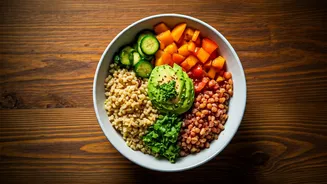
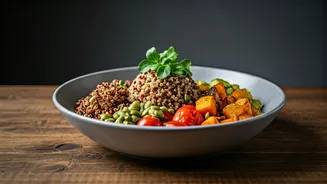
The beauty of the bowl lies in its versatility. It’s a simple formula that allows for endless creativity. Most warm summer bowls follow a balanced structure: a base of hearty grains like quinoa, farro, or brown rice provides sustained energy. Next comes a layer of lightly cooked or roasted seasonal vegetables—think zucchini, corn, and bell peppers—which offer vitamins and a tender texture. A source of protein, such as chickpeas, lentils, grilled chicken, or salmon, makes the meal satisfying and complete. The final, crucial touch is a flavourful sauce or dressing—perhaps a tangy tahini-lemon drizzle or an umami-rich miso vinaigrette—that ties all the components together. This layered approach ensures a meal that is balanced in nutrients, textures, and tastes.
More Than a Trend, It’s a Lifestyle
The move toward warm summer meals is more than just a passing fad; it reflects a broader shift in how we approach food and well-being. The emphasis on gut health, the desire for meals that are both comforting and nourishing, and the need for convenient, customisable options are all driving this trend. Warm bowls perfectly align with these values. They are an excellent way to use up leftover vegetables, can be easily adapted for different dietary preferences like vegan or gluten-free, and offer a sense of wholesome satisfaction that a simple salad sometimes can’t provide. They represent a move toward more intuitive eating, where we listen to our bodies’ craving for comfort and substance, no matter the season.